

Selecting the correct genetics in your cannabis cultivation journey can be tricky. It is important to grasp the basics of cannabis seeds before making the crucial error that most do. Spend before they might not need to. Today we will discuss cannabis seeds how they work, and the various types there are. Your decision will greatly affect your results.
The Basics of Cannabis Seeds
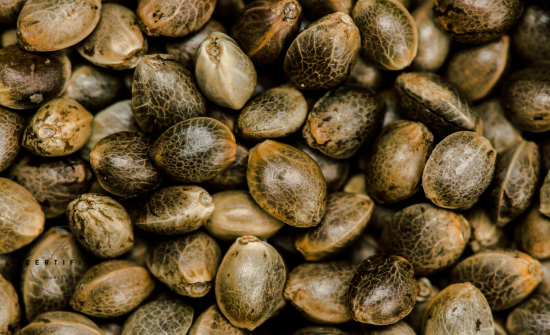
Cannabis seeds are typically oval-shaped seeds, roughly 3-4mm long and 1.5-2mm wide. A mature cannabis seed will have a healthy seed coat. The skin of the seed will be defined (some call it tiger stripes). Over the years, due to genetic breeding, I have seen well-defined Albino-looking cannabis seeds too. So it is not always that they will have defined stripe patterns. Look at the overall seed health. For most growers, seeds will make up the foundation of their cultivation experience. There are very few growers who start with clones and only stick to that. What most growers love about seeds is that they have greater potential to grow healthier, robust plants.
The Anatomy of a Cannabis Seed
The outer layer known as the seed coat protects the inner embryonic plant material. The seed coat has been suggested to need more in-depth study. As some scientists believe it does more than just protect and prevent germination.
On the inside of the seeds you can find a substance called albumen, which is a nutritional reserve that keeps the embryo healthy until germination; it’s also the seed’s initial source of energy once it begins germinating. Now, for the centre of the seed, home to the precious embryo from which your new plant will grow from. It contains the plant’s genetic code alongside four other parts; the radicle, the hypocotyl, cotyledons and gemmules(The apical meristem or the growth region that will develop into the plant’s shoots). The radicle is the embryonic root; this is the part of the seed where roots come from. The hypocotyl is known as the embryonic stage, and the cotyledons are in charge of those first few leaves that you can see once the seed germinates.
During germination, water absorption triggers the development of the radicle, marking the beginning of the seed’s transformation into a mature plant. So many growers have struggled over the past to germinate seed successfully that there are kits to assist in this process. It seems odd that not everyone can do the basic seed sprouting we learned as kids in school. Or maybe we seem to have just been so far disconnected from growing that this process has become a niche in the industry on its own. Available on the market today; are basic germination kits and even sophisticated Aruora devices.
Feminized vs. Regular Cannabis Seeds: What’s the Difference?
When selecting cannabis seeds, Growers encounter feminized seeds and regular seeds often. Whether that is online or at your local grow shop. These are the standard options. Understanding the advantages and disadvantages of both can help you make a better decision for your growing objectives.
Feminized Cannabis Seeds
As the name suggests, feminized cannabis seeds are specially bred to produce exclusively female plants, or approximately 99.9% female. This is a significant advantage for most growers, as female plants are the ones that produce the cannabinoid-rich, resinous buds sought after for both recreational and medicinal use. In my opinion, newer growers that has the budget for these types of seeds should invest in them. They will help produce a standard plant that has been bred to produce exactly what it was meant for. With less unpredictability in these genetics, you can focus more of your efforts in other aspects of the growing cycle.
Advantages of Feminized Seeds
Higher Yield Potential: Since feminized seeds produce only female plants, every plant in your garden contributes to your final harvest. There’s no need to identify and remove male plants, which do not produce buds.
Simplified Cultivation: For beginners, feminized seeds remove the complexity of sexing plants and prevent the accidental pollination of female plants, which can reduce the quality and potency of your harvest.
Cost-Effective: By eliminating the possibility of male plants, growers can maximize the efficiency of their growing space and resources, leading to a more cost-effective cultivation process.
Disadvantages of Feminized Seeds
Limited Breeding Potential: Feminized seeds are not suitable for breeding, as they do not produce male plants necessary for creating new strains. Often also lacking strong pollination and genetic translations from the female plants due to their feminized make-up, in comparison to regular seeds.
Increased Risk of Hermaphroditism: Although rare, stress conditions during growth can cause feminized plants to develop both male and female reproductive organs, which can lead to self-pollination and seed production in your buds. This risk is also increased when the feminization process is not done in completely stable environments by more inexperienced breeders.
Regular Cannabis Seeds
Regular cannabis seeds produce a mix of male and female plants, with approximately 50% of each sex. These seeds are the traditional choice for breeders and experienced growers looking to create their own unique strains. Regular seeds offer you a new experience and thus it can be hit or miss. Most of the time growers will have to plant more seeds to find a more desirable phenotype to grow to full potential. They have been proven to be more resistant to moulds and diseases as these seeds often are climitized over growing cycles.
Advantages of Regular Seeds
Breeding Potential: Regular seeds are essential for those interested in breeding and developing new cannabis strains. The presence of male plants allows for the cross-pollination necessary to combine different genetic traits.
Viable Clones: Female plants from regular seeds are often considered more stable and resilient, making them ideal candidates for cloning. This also gives the nursery a unique market advantage as the phenotype will be different from others offering the same strain
Genetic Diversity: Regular seeds offer a broader range of genetic diversity, which can lead to more robust plants with unique characteristics.
Disadvantages of Regular Seeds
Sexing Required: Growers must carefully monitor their plants during the pre-flowering stage to identify and remove male plants, which can be labor-intensive and requires experience.
Space and Resources: Since approximately half of the plants will be male, growers need additional space and resources to accommodate the extra plants until they are sexed and removed.
Risk of Pollination: If male plants are not removed in time, they can pollinate female plants, leading to the production of seeds instead of high-quality buds.
Autoflowering Cannabis Seeds: A Third Option
In addition to feminized and regular seeds, growers may also encounter autoflowering cannabis seeds. These seeds can be either feminized or regular, but they possess a unique trait that sets them apart from photoperiod strains: autoflowering plants begin to flower based on age rather than light exposure. This unique genetic trait is very tricky to breed into plants and thus we only advise to stick to breeders that only do auto-flowering genetics. A big misconception surrounding auto-flowering cannabis is that they ‘don’t need’ much light. And although there is some truth to this is must be stated that your results will not be as great as an auto-flowering cannabis plant that receives a normal light cycle.
Advantages of Autoflowering Seeds
Faster Harvest: Autoflowering strains have a shorter life cycle, often completing their growth and flowering phases in a matter of weeks. This is ideal for growers looking for a quick turnaround. When managed correctly harvesting and planting can be come a set and collect type ordeal.
Resilience: Autoflowering plants are generally more resilient to environmental stress and are less sensitive to light changes, making them easier to grow, especially for beginners. They are not as rewarding – so keep that in mind
Compact Size: These plants tend to be smaller and more discreet, which is advantageous for growers with limited space or those cultivating in stealthy locations. This is also genetically dependent these days. At first yes. But the auto-flowering niche has developed so much that you can find yourself with a 4-foot-tall plant. Don’t say I didn’t warn you.
Disadvantages of Autoflowering Seeds
Lower Yields: Autoflowering plants typically produce smaller yields compared to photoperiod strains, although advancements in breeding are gradually narrowing this gap.
Reduced Potency: Historically, autoflowering strains have been associated with lower potency, though newer varieties are showing significant improvements. This is almost not a disadvantage anymore. When we look at breeders like Fastbuds genetics and Mephisto genetics
Limited Control: Since autoflowering plants flower based on time rather than light cycles, growers have less control over the vegetative phase, which can limit the plant’s size and overall yield.
Which Seed Type is Right for You?
The choice between feminized, regular, and autoflowering seeds ultimately depends on your goals as a grower. For beginners, feminized seeds are generally the best option, offering an easier and more predictable path to a bountiful harvest. These seeds allow you to focus on mastering the basics of cannabis cultivation without the added challenge of sexing plants or dealing with male plants.
For those interested in breeding or exploring the genetic diversity of cannabis, regular seeds provide the necessary foundation for creating new strains. The ability to produce both male and female plants opens up a world of possibilities for those looking to innovate and experiment with cannabis genetics.
If you’re looking for a quick and easy growing experience with a fast turnaround, autoflowering seeds may be the way to go. Their resilience and short life cycle make them an excellent choice for those who want to see results quickly, even if it means sacrificing some yield and potency.
 Reach us on WhatsApp