

As the season progresses, I believe I’ve shared some valuable insights and concepts for cultivating a thriving cannabis garden. Over the past two months, we’ve explored a range of topics, from propagation to transplanting and plant training, all crafted to help you maximise your growing efforts. This week, however, I want to pause and focus on Cannabis sativa L. itself—the “people’s plant.”
After weeks of “how-to” guides, it’s essential to let the plants breathe, to implement the practices we’ve discussed, and to give your cannabis the time it needs to flourish. Today, we’re celebrating the many dimensions of this remarkable plant and the impact it continues to have on both our lives and our environment.
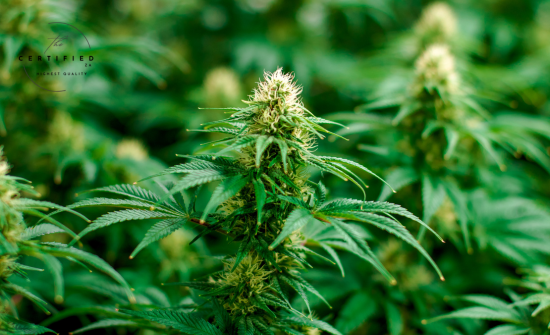
The Rich Spectrum of Cannabis: More Than Just a Plant
Cannabis is often hailed as the “plant of a thousand molecules.” This remarkable diversity of compounds is what gives it such a broad spectrum of uses. From therapeutic cannabinoids to aromatic terpenes and protective phenolics, cannabis is a natural pharmacy, encapsulating compounds that support wellness, relieve pain, and foster mental clarity. The plant’s fibrous qualities even extend beyond health, as it provides strong, sustainable fibres suitable for textiles, bioplastics, and even construction materials like hempcrete.
Today, Cannabis is recognised in two parts. Cannabis as Medicine and Hemp as an Industrial plant, with its applications. There are over 700 different cannabis varieties and each one has its own unique application in the field. Making Cannabis one of the most versatile plants in the world.
Each compound found within Cannabis sativa has a unique role, whether in enhancing health or in contributing to the resilience of the plant itself. For example, cannabinoids, which include THC and CBD, interact with the human endocannabinoid system to help manage pain, anxiety, and inflammation. Meanwhile, terpenes lend cannabis its signature aroma and provide additional therapeutic effects, enhancing the efficacy of cannabinoids in what is known as the “entourage effect.” We have written some blogs on both of these topics in the past. There are so many more things to learn about cannabis as a whole. We are still discovering new cannabinoids, like the new THCP (tetrahydrocannabiphorol) sai to be 30x stronger than the staple THC compound.
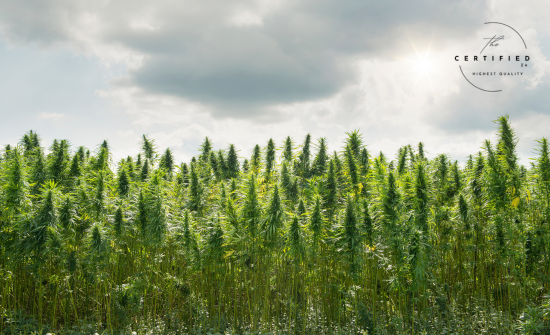
Sustainability and Innovation in Cannabis Cultivation
In the current age of environmental awareness, cannabis stands out as a crop that aligns beautifully with sustainable farming principles. This fast-growing plant has a minimal environmental footprint and a range of applications that promote eco-friendly industries. For instance, cannabis fibres, both cellulosic and woody, are strong yet biodegradable, offering a renewable alternative to traditional synthetic materials in industries such as automotive, fashion, and packaging.
Companies like The Greater Value Industrial Project, GVIP are using hemp to make South Africa’s Net-Zero Carbon initiative a reality by providing a real solution to a coal alternative, community integration and a sustainable model to ensure The Just Energy Transition Implementation plan of South Africa is met. Moving us from a Scope-2 Emissions country to a Green economy.
The plant’s deep-rooting system helps prevent soil erosion, and its low water requirements make it more sustainable compared to other fibre crops like cotton. The result is a crop that’s not only beneficial for those who use it but also for the environment it grows in.

The Phytochemicals of Cannabis: Natural Molecules with Power
Cannabis isn’t just a source of cannabinoids. It also contains terpenes and phenolic compounds that contribute to its medicinal properties. Terpenes like limonene, pinene, and myrcene offer their own therapeutic benefits, such as reducing inflammation, anxiety, and pain. These compounds, along with cannabinoids, work synergistically to amplify cannabis’s effectiveness—a phenomenon well-known to cannabis enthusiasts as the “entourage effect.”
In addition to cannabinoids and terpenes, cannabis contains unique phenolic compounds, including flavonoids like cannflavin A and B. These compounds have potent anti-inflammatory effects, with the potential to contribute to pain relief and healing in new and innovative ways.
Cannabis Trichomes: Nature’s Tiny Factories
Cannabis trichomes, the tiny, crystal-like structures covering the plant’s surface, are where the magic happens. These trichomes house the plant’s primary chemical compounds—cannabinoids, terpenes, and phenolics—making them critical to the plant’s potency and therapeutic value. Not only do trichomes protect the plant from predators and environmental stress, but they also serve as tiny chemical factories, producing compounds that enhance the plant’s resilience and our own well-being.
Trichomes are an essential focus for growers and researchers alike, as their density and health directly affect the quality and potency of cannabis. With advancements in cultivation and extraction techniques, we’re now able to harness these compounds more effectively than ever, making cannabis an even more valuable resource for health and wellness.
The Promise of Cannabis Biotechnology
In recent years, biotechnological advancements have unlocked even more possibilities for Cannabis sativa. Genetic engineering, tissue culture, and metabolomics are just some of the tools researchers are using to enhance the plant’s natural abilities. For example, scientists are developing cannabis strains with specific cannabinoid profiles tailored to treat different conditions, from chronic pain to neurological disorders. There is also ongoing work to increase the yield and resilience of cannabis crops, making them more efficient to grow in diverse climates and conditions.
Through biotechnology, we are poised to make cannabis more accessible and beneficial for a broader range of applications, reinforcing its place as “the people’s plant.” Some might argue that doing this is taking away from the natural beauty and power of the plant, and that is ok too. We should all have our opinion on how industries as a whole should work around the plant. But we cannot take away from the great benefit that biotechonogical advancements have made for us in the cannabis industry.
Cannabis: A Symbol of Cultural Resilience
Throughout history, Cannabis sativa has been a plant of the people, cherished across cultures and continents. From traditional uses in textiles and medicine to its revival as a source of wellness, cannabis holds a unique place in human history. It represents resilience, adaptation, and the powerful connection between humans and nature.
As we continue to explore and expand its potential, cannabis remains a symbol of sustainable growth, cultural significance, and boundless opportunity. For those who cherish cannabis, it is more than a plant—it is a source of healing, innovation, and inspiration.
 Reach us on WhatsApp