

Compost tea is a natural gem in the realm of organic gardening. This simple, yet potent brew, made by steeping quality compost in water, unlocks a trove of beneficial nutrients and microorganisms. It’s more than just a fertilizer; it’s a life-enhancing elixir for plants, enriching soil health and bolstering plant resilience in an eco-friendly way.
This liquid gold will give your garden life and make you much better at organic growing. Revitalising your plants’ overall health.
What is Compost Tea?
Compost tea is a liquid extract derived from compost and is packed with beneficial microorganisms and nutrients essential for garden vitality. It is a unique and organic solution that has become a favourite among gardeners for its ability to enhance soil and plant health naturally.
The Brewing Process:
Brewing compost tea involves steeping compost in water, which is akin to making a giant tea bag filled with compost. During this process, the water becomes enriched with soluble nutrients and beneficial microorganisms such as bacteria, fungi, protozoa, and nematodes.
The key to successful compost tea lies in maintaining a well-aerated environment during the brewing process, which encourages the growth and multiplication of these beneficial organisms.
Aerated Compost Tea (ACT):
Contains all the species of organisms that were in the compost. Thus the compost has to be “tea-quality”. Those organisms selected by the temperature, foods present, nutrient composition, and oxygen content in the tea brew grow during the brewing process. When oxygen drops below a certain level, nutrients can be lost and disease-causing organisms may grow. Oxygen content is critical, but so is the diversity of aerobic organisms. The competitive set of organisms must be present to prevent pathogen growth. The amount of food added must be limited to enough to attain maximum growth of desired organisms but not so much that oxygen concentration drops below the aerobic level. Balance is critical – maximize growth, but maintain aerobic conditions. Machine cleanliness is important too. Anaerobic biofilms growing in the machine can result in poor-quality tea. Documenting that a consistent, plant-beneficial product is always made is paramount.
Non-Aerated Compost Tea (NCT):
Requires that low oxygen levels are reached, and this needs to be documented in order to make the claim that this kind of product was made. Certain organisms make specific toxins which combat disease- and pest-organisms. These toxins, like antibiotics, are only made in certain conditions. Machine, recipe, oxygen management and compost used must be documented and understood. The biology in an anaerobic tea is limited to basically anaerobic bacteria and yeasts. Since the set of organisms is so significantly altered from what occurs in aerobic compost, anaerobically brewed teas should not be called compost tea, but designated specifically as anaerobic tea.

Enhanced Plant Nutrition and Growth:
Compost tea is a direct source of essential nutrients like nitrogen, phosphorus, potassium, and trace elements, which are readily available for plant uptake. This immediate nutrient supply can lead to more robust and vigorous plant growth. The microorganisms in compost tea play a crucial role in breaking down organic matter in the soil, thereby improving nutrient cycling and making existing soil nutrients more available to plants.
Disease and Pest Resistance:
Bacteria occupy most of the leaf or root surface and thus are most effective at consuming the food resources that the disease-causing organisms would otherwise consume. Bacteria occupy most of the infection sites, which would otherwise be occupied by the disease-causing organisms. In soil, bacteria have additional functions beyond consuming foods and occupying infection sites, they also retain nutrients (N, P, S, Ca, Fe, etc) in their biomass. Your Compost Tea needs a healthy balance of bacteria, fungi and micro-organisms.
Overall Benefits
- Pathogens cannot infect the plant tissues because the specific infection sites on the plant surface is already occupied by beneficial organisms;
- Disease-causing organisms have no food and cannot grow because the exudates produced by the plant are used by the beneficial species present on the plant tissues before the disease-causing organisms arrive;
- Spaces on the surfaces of plant are physically occupied by beneficial organisms. The pests and pathogens cannot reach the plant surface, and Disease cannot occur;
- Plants take up nutrients in the tea needed to allow them to resist infection more rapidly because the beneficial biology influences leaf surface gas concentrations, causing stomates to open sooner and for a longer time;
- Food resources in the tea allow beneficial microorganisms to grow, protecting plant surfaces;
- Nutrients are retained on the leaf surface and become available to the plant with time, improving plant nutrition and health;
- soil structure is improved and more oxygen reaches the root system,preventing toxins from being produced in the soil, increasing plant health;
DIY and Cost-Effective:
Making your own compost tea is a cost-effective solution compared to buying commercial fertilizers and plant treatments. It can be made at home using simple ingredients and equipment.
Ingredients for the Perfect Compost Tea Recipe
Creating the perfect compost tea is akin to crafting a gourmet meal for your garden. Each ingredient plays a vital role in the final product’s quality and effectiveness.
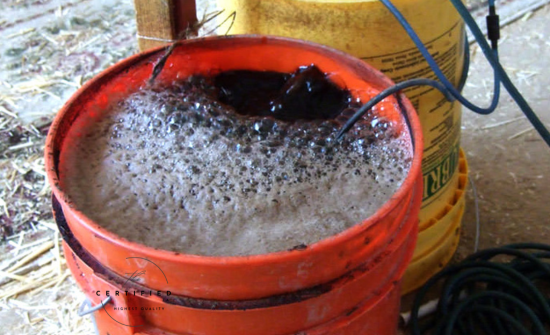
Here’s a closer look at what you’ll need and why each ingredient is important.
Organic Compost: The Foundation
Quality Matters. The compost is the heart of your tea. It should be well-aged, rich in organic matter, and free from any harmful pathogens or chemicals. Homemade compost is ideal, but store-bought organic compost works well too. Worm castings, Bat guano also can make a base for Compost tea. Compost made from a diverse range of organic materials (like leaves/woodchips, kitchen bokashi, and grass clippings) will lead to a more nutrient-rich and microbiologically diverse tea.
Water: The Medium
Non-chlorinated is key. Chlorine in tap water can kill the beneficial microorganisms in compost.
Use rainwater, or pond water(might not be best), or let tap water sit out for 24 hours to allow the chlorine to evaporate. An old trick would be to stick your arm in the water for a while. Your skin will absorb the chlorine and clean the water too. Might cut down the waiting time… but this is a 2 cents type of deal here. Room temperature water is ideal as extreme hot or cold can shock the microorganisms.
Air Pump: Oxygen Supplier
Aeration for Microbial Growth. Oxygen is crucial for fostering aerobic microorganisms.
An air pump ensures the tea remains well-oxygenated, preventing the growth of harmful anaerobic bacteria. One can be bought either online or at your local fish shop or nursery. Some of these online stores are my go-to:
Cleanliness is Crucial:
Ensure the container is clean to prevent any contamination of the tea.
4. Fuel/Food
Molasses is the preferred sugar of choice. This will help stimulate the growth of bacteria and microorganisms in your compost tea. Ensure that you do not overdo your fuel source as this in large can also slow or cap off the growth.
Step-by-Step Guide: Making Your Own Compost Tea
Creating compost tea is a straightforward process, but attention to detail can make a significant difference in the quality of the final product.
Step 1: Gather Your Materials
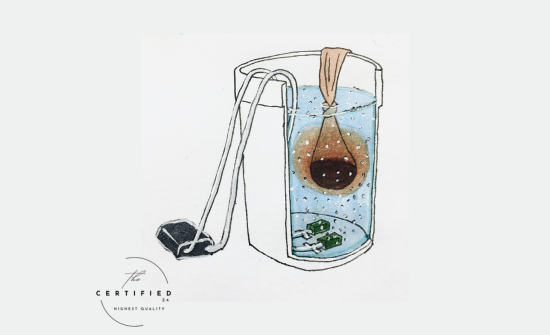
Prepare Your Ingredients: Assemble your organic compost, non-chlorinated water, air pump, and brewing container. Find a cheese cloth-type bag to put all your material in. Placethis in your brewing container.
The amounts you will make will be dependent on your needs. I have always eyeballed my ingredients in honesty.
Cleaning: Ensure all equipment is clean to prevent contamination.
Step 2: Add Water
Add non-chlorinated water to the bucket, leaving some space at the top to prevent spillage during aeration.
Step 3: Aerate the Mixture
Set Up the Air Pump:
Attach air stones or diffusers to the air pump and place them at the bottom of the bucket. Keep the air pump running continuously to supply oxygen. This step is crucial for encouraging the growth of beneficial aerobic microbes.
Step 4: Brewing Time
Allow the mixture to brew for 24-48 hours. The exact time can depend on the ambient temperature and the desired microbial activity. Check the brew occasionally to ensure that the aeration is consistent and the temperature is stable.
Step 5: Strain and Use
Once brewing is complete, strain the liquid to remove solid particles. Use a cheesecloth, fine mesh, or a paint strainer bag. It is not crucial to strain the compost tea if you plan on using it as a soil drench.
Application:
Apply the tea as soon as possible after brewing for maximum effectiveness. Dilute with water if it appears too concentrated.
Step 6: Clean Up
Clean all equipment thoroughly after use to prevent any buildup of residual compost or mould. This step is so important and often overlooked. If you avoid this you will find that bacteria will build up on your air hoses and stones and that you can get sludge. This will increase your chances of an anaerobic reaction occurring as well as the batch being contaminated and smelling off.
|
Application Methods:
Foliar Spray:
- Applying compost tea as a foliar spray is a great way to provide nutrients directly to the leaves and can help with disease prevention.
- Ensure the spray is fine and covers the leaves evenly.
Soil Drench:
- Pouring compost tea around the roots or base of the plant helps improve soil quality and root health.
- This method is beneficial for providing nutrients directly to the root zone.
Precautions and Best Practices
- Ensure the spraying equipment is clean to prevent the spread of any disease.
- Be cautious when applying to young seedlings or very delicate plants. It’s always better to start with a more diluted solution.
- Observe how your plants react to the compost tea and adjust your application method and frequency accordingly.
Tips for Success:
- Brew at a temperature between 12°C and 24°C for optimal microbial activity.
- Brewing beyond 48 hours can lead to the development of harmful anaerobic bacteria.
- If unsure of the concentration, it’s safer to dilute the tea more rather than less. A general guideline is a 1:10 ratio of tea to water.
Using Compost Tea
A general guideline is a 1:10 ratio of tea to water, but this can vary based on the strength of your brew and the sensitivity of your plants.
Application Methods:
Foliar Spray:
- Applying compost tea as a foliar spray is a great way to provide nutrients directly to the leaves and can help with disease prevention.
- Ensure the spray is fine and covers the leaves evenly.
Soil Drench:
- Pouring compost tea around the roots or base of the plant helps improve soil quality and root health.
- This method is beneficial for providing nutrients directly to the root zone.
Precautions and Best Practices
- Ensure the spraying equipment is clean to prevent the spread of any disease.
- Be cautious when applying to young seedlings or very delicate plants. It’s always better to start with a more diluted solution.
- Observe how your plants react to the compost tea and adjust your application method and frequency accordingly.
 Reach us on WhatsApp