

Last week, I wrote about the most basic things you must consider when starting. It was an introduction to what I have determined to be a nuanced “how to” series. I will discuss things to make you more successful in your growing endeavours. There is no one way to skin a cat and there is just so much information so I will do my best during this growing season to stay in the ‘how to’ mode. So for the next few weeks expect nothing but growing content. With that being said. I want to Discuss Soil…

Identifying Your Soil Type
For those that will be going into the ground, or in raised beds and pots. It is of utmost importance to take more time prior to the growing season to prepare things. And know what you are working with. If it is your first time growing cannabis this season. You would want to start with identifying your soil type. This will allow you to best prepare the soil towards a more cannabis-friendly growing medium.
The main components of soil are dirt, minerals, organic matter and moisture. So to understand how you can best create amazing living soil, go in your backyard with a spade where you intend to grow and dig some ground up and have a look at it. Is it mainly sand, silt or clay? Is it a mixture?
Here is a picture of a soil triangle I always show people. You want to be in the Loamy centre. So by figuring out where you are, you can work your way towards the centre by adding the other components to your specific situation. If your soil is very clay mix in some sand, silt and organic matter to bring it towards the loamy centre.
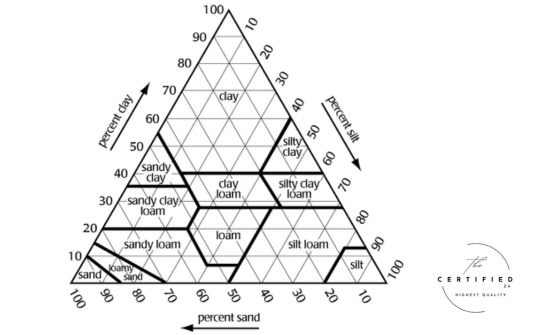
Sandy Soil: This type is gritty to the touch and drains water quickly, which can be beneficial in preventing root rot. However, it may struggle to retain nutrients, so you’ll need to supplement with organic matter.
Clay Soil: Clay soil is dense and holds onto water and nutrients well, but it can become compacted, making it difficult for roots to penetrate. It also tends to dry out slowly, which can be a problem in wet climates.
Loamy Soil: Often considered the ideal soil type for gardening, loamy soil is a balanced mixture of sand, silt, and clay. It has good drainage, retains nutrients, and is easy to work with, making it an excellent choice for cannabis cultivation.
Silty Soil: Silty soil has a smooth texture and holds moisture better than sandy soil but may have drainage issues similar to clay soil. It’s rich in nutrients and can be improved with organic matter to enhance its structure.
To determine your soil type, you can perform a simple soil test by taking a small amount of damp soil and rubbing it between your fingers. Sandy soil will feel gritty, clay soil will feel sticky, and loamy soil will feel smooth and crumbly.
Preparing and Improving the Soil
Once you know what you are working with you can start preparing and improving the soil to create the optimal living soil and environment for your cannabis. Keeing in mind that cannabis thrives in equally bacterial and fungal soils it is important to hold a balance when going into preparation for the season.
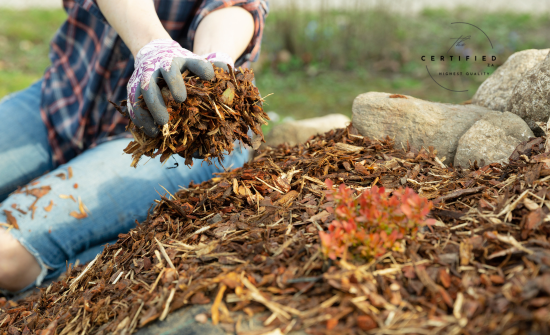
Most home growers will never consider doing a soil test. But it is something I would recommend you do. There are various tools that can also assist in checking the Ph of the soil as well as the moisture content of the soil. These help a lot in determining how many amendments are required. For those that have been growing many seasons, It is something I highly recommend you do. It could save you lots of money during the season. Note that while the soil test can be affordable to some, most places charge for the interpretation of the data. This is where I would recommend you either sharpen your skills or pay the experts.
Cannabis when grown in a living soil environment, correctly, has many natural buffers for the plants not to have imbalances in nutrients and things like that. But this does not mean that the grower shouldn’t be aware of what is going on too. – check out my piece on ‘pH doesn’t Matter’ for more on that.
Organic matter – This is a staple amendment in all growing. Whether it is compost from chicken or cow manures, food scraps like Bokashi or leaf mould. Organic matter is almost always added to any and all soil types. Sandy soil gets an increase in moisture retention, it helps loosen up clay soils and provides essential nutrients to loamy and silt soil.
Soil Aeration and water retention cannot be overlooked. Heavy clay soil can become water-locked. Adding things like, biochar, sand, perlite and vermiculite will improve drainage and water retention. It will also assist with Cation exchange. Which is essential for nutrient uptake in the plants,
Getting Ready to Plant
Due to the nature of outdoor organic growing. Growers should be proactive in preparation. Ensuring you condition your soil for growing is so important. It is pointless to prepare weeks ahead of time by mixing various things into your soil and then come time to plant, the soil is dry and not conditioned for growing.
Here is how I get all the life in the soil going before I put my cannabis in it.
After letting the ground sit for a few days after I have amended it. I will add a cover crop to it. Something like red clover. This will start stimulating the soil. The exchanges between the bacteria, fungus and cover crop will start building this essential ecosystem for your cannabis.
Once my cover crop is growing I will start making my own Lactic acid bacteria, which I will pour into the soil too. I will add some earthworms and amend my last piece to the ground. For me, it is important to have a living soil that is actually alive and growing things before you add cannabis to it. I have noticed my cannabis thrives more on these types of grounds. If you disagree, please let me know what you do and how you go about it differently.
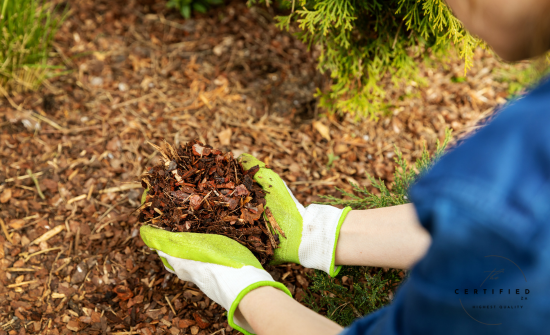
Mulching the soil will help too. This will help increase moisture retention as well as provide shade to the surface of the soil. Allowing for life to grow on the surface of the soil too. Increasing plant growth and health.
Whether you are transplanting or putting the seed directly into the ground. Make sure you give the ground enough time to break down nutrients from the compost and other amendments. Giving time for cover crops to crop and chop and grow will produce a more mature living soil in which the cannabis will thrive in. The soil food web is very important. A successful organic grower will always put the soil first. As it is the foundation on which the grow revolves around.
When your soil is prepared and ready to go. Watering with the occasional activated compost tea will do wonders.
It will make growing a breeze almost.
 Reach us on WhatsApp