Posted on

Beyond the Bud: Your Guide to Cannabis Concentrates

Cannabis Concentrate

While good old-fashioned flowers remain a favourite for many, the world of cannabis concentrates is booming! Offering enhanced potency, unique flavours, and versatile ways to enjoy, extracts are rapidly gaining popularity among enthusiasts looking for a different kind of experience.

But stepping into the concentrates section can feel a little overwhelming with terms like “BHO,” “Rosin,” “Diamonds,” and “Sauce” flying around. What exactly are these, and which one is right for you?

Think of concentrates as capturing the very essence of the cannabis plant, particularly the cannabinoid and terpene-rich resin found in the trichomes. The main difference between the types lies in how that potent resin is separated from the plant material.

Let’s break down some of the most common types and how they stack up.

The Solventless Stars: Rosin & Bubble Hash

Some concentrates skip the chemical solvents altogether, relying on physical separation methods to extract that valuable resin. These are often celebrated for preserving the plant’s natural terpene profile and offering a pure, unadulterated experience.

  • Rosin: This is a superstar in the solventless world. Rosin is made by applying heat and pressure to cannabis flower, hash, or kief. This simple yet effective method presses the sticky resin right out. Because no solvents are used, there’s no need for a post-extraction “purge,” making it a straightforward process. Rosin is loved for its natural flavour and is often described as having a thick, sap-like consistency, though textures can vary. It offers great potency, typically ranging anywhere from 50-85%+ cannabinoids.
  • Bubble Hash (Ice Water Hash): Another solventless method that uses ice water and screens to separate the trichomes from the plant material. The plant matter is agitated in icy water, freezing the trichomes, which then break off and sink. The water is then filtered through a series of screens (or ‘bubble bags’) to collect the trichomes. The result is a crumbly, sand-like or powdery substance. Bubble Hash is potent and flavourful, and it can be enjoyed as is (sprinkled on flower) or pressed into high-quality rosin. It’s fantastic for preserving terpenes due to the cold process.

When we started using extracts as part of our cannabis routines, we made the conscious decision back then to only use Rosin when it came to the extract department. We never trusted the solvent extracts because of a lack of sophistication. This remains a thing to this day. I mean, you can read my “let’s stop backyard extracts” article.

The Solvent Journey: BHO and Its Many Textures

Butane Hash Oil (BHO) is one of the most common types of cannabis concentrates on the market, produced using butane as a chemical solvent to strip cannabinoids and terpenes from the plant material. While this method requires careful processing to remove any residual solvent (a process called purging), it’s widely used due to its efficiency and ability to produce highly potent extracts. Butane is very affordable and readily available. Because the process is done in a subcritical environment, normally at around -45 to -80 degrees, it allows for a high retention of terpenes and cannabinoids compared to Rosin. 

BHO is incredibly versatile and comes in a range of popular textures you might encounter:

  • Shatter: Known for its glass-like, brittle texture that easily “shatters.”
  • Wax: A softer, more opaque concentrate with a texture similar to earwax.
  • Crumble: A dry, crumbly texture that easily breaks apart.

These textures often result from variations in the post-extraction process, like whipping or temperature fluctuations during purging. BHO extracts are known for their high cannabinoid levels, frequently hitting 70-90% THC and even higher, offering a powerful experience. When done with sophistication, it has the potential to be almost spiritual in effect. The reality, however, is that due to butane’s affordability and availability, most try to do this themselves without the correct safety precautions or extraction protocols in place. Resulting in the extract that has residual gas in it, which is harmful, as well as the potential for explosions during the purging process.

Cannabis Concentrates

Next-Level Potency Meets Flavour: Diamonds and Sauce

Taking potency and flavour to another level are concentrates like Diamonds and Sauce, often found together.

  • THCA Diamonds: These are crystalline structures composed of almost pure THCA (tetrahydrocannabinolic acid), the non-intoxicating precursor to THC. When heated (like when dabbing), the THCA rapidly decarboxylates into highly potent THC, offering an intensely powerful effect. These crystals can be visually stunning!
  • Sauce: This is the terpene-rich liquid often found accompanying Diamonds. While lower in cannabinoids than the diamonds themselves, the sauce is bursting with the aromatic compounds that give cannabis its distinct smell and flavour.
  • Diamonds in Sauce: As the name suggests, this combines the two! You get the incredible potency of the THCA diamonds suspended in a flavourful terpene sauce. It’s a popular choice for those seeking both maximum impact and a robust flavour profile.
  • Orbees: You might spot these unique crystal droplets in our selection! Orbees are a specific, visually appealing form of high-purity THCA diamonds, offering that same intense potency in a beautiful, translucent form.

Finding Your Perfect Cannabis Concentrates

The best way to figure out your preference is to explore! Consider what you’re looking for:

  • Maximum Potency? High-testing BHO, Diamonds, or Oorbees might be your speed.
  • Pure Flavour? Solventless options like Rosin and Bubble Hash excel here, as do terpene-rich Sauces or Diamonds in Sauce.
  • Specific Texture? Whether you prefer a stable shatter, a malleable wax, or a crumbly crumble, there’s a concentrate texture for you.

Each type offers a unique experience, from the terpene preservation of solventless extracts to the high potency and diverse textures of BHO. Don’t hesitate to ask us about any questions you have – we’re here to help you explore the exciting world of cannabis concentrates and find the perfect fit for your preferences.

Stop by and discover your next favourite way to experience cannabis!

Posted on

Can You Overdose on Weed?

overdose on weed

The Overdose Question: Addressing the Fear and Finding the Truth

Even though most have been coming around to cannabis, there are still so many that has a false understanding of what cannabis does for them. From ignorance to our lack in scientific knowledge on the plant’s healing potential. One of the most persistent and often anxiety-inducing questions revolves around the possibility of overdose. “Can you overdose on weed?” It’s a question that lingers in the minds of the newly curious and skeptics’ minds. The short, reassuring answer is: no, you cannot die from a cannabis overdose. However, the story doesn’t end there.

While fatal cannabis overdoses are scientifically impossible, the experience of consuming too much cannabis is very real. Terms like “greenout” or “greenies” are common in cannabis culture, describing the decidedly unpleasant, albeit non-life-threatening, effects of overconsumption. It’s crucial to separate the myth of fatal overdose from the reality of uncomfortable overindulgence. This blog post will delve into the science behind cannabis safety, explain why a fatal overdose is not possible, and shed light on the phenomenon of “greenies,” providing you with the knowledge to consume responsibly and confidently.

Can You Overdose on Weed?

The Science Says: Why Fatal Cannabis Overdose is Physiologically Impossible

To understand why a fatal cannabis overdose is not possible, we need to delve into the science of how cannabis interacts with our bodies. The primary active compounds in cannabis, cannabinoids like THC (tetrahydrocannabinol) and CBD (cannabidiol), exert their effects by interacting with the body’s endocannabinoid system (ECS). This vast network of receptors and neurotransmitters plays a crucial role in regulating various physiological processes, including mood, pain, appetite, and sleep.

The key to cannabis safety lies in the distribution of cannabinoid receptors in the brain. Crucially, there are virtually no cannabinoid receptors in the brainstem, the region responsible for controlling vital functions like breathing and heart rate. This is in stark contrast to opioids and alcohol, which do heavily interact with receptors in the brainstem, directly impacting these life-sustaining functions and making fatal overdoses a real risk.

Because cannabinoids primarily interact with receptors outside of these critical brainstem areas, they lack the mechanism to shut down respiration or cause fatal organ failure. Numerous studies and decades of anecdotal evidence have consistently demonstrated the remarkably high safety profile of cannabis in this regard. While extremely high doses of cannabis can certainly lead to uncomfortable and unwanted side effects, they simply do not possess the physiological pathways to cause death in the way that opioids, alcohol, or many other substances can.

Can You Overdose on Weed?

The Reality of “Greenouts” or “Greenies”: Understanding Overconsumption

While the specter of fatal overdose is a myth, the experience of consuming too much cannabis and experiencing a “Greenies” is a genuine phenomenon. “Greenout” or “greenie” are slang terms used within cannabis culture to describe the set of unpleasant physical and psychological symptoms that can arise from overconsumption. It’s essentially the body’s way of signaling that it’s been overwhelmed by cannabinoids.

What Causes a Greenies? Several factors can contribute to this uncomfortable state:

  • Overstimulation of the Endocannabinoid System: Consuming excessive amounts of cannabis, particularly THC, can lead to an overstimulation of the ECS. This overstimulation can disrupt the delicate balance of the system, leading to a cascade of uncomfortable effects.
  • Blood Pressure Drop (Hypotension): Cannabis, especially THC, can cause blood vessels to dilate, leading to a temporary drop in blood pressure. This can manifest as dizziness, lightheadedness, and even fainting in some individuals.
  • Blood Sugar Fluctuations: Cannabis can affect blood sugar levels in some people. While this effect is complex and varies, fluctuations in blood sugar can contribute to feelings of weakness, dizziness, and nausea, common symptoms of a greenout.
  • Dehydration: Cannabis consumption can sometimes lead to mild dehydration, either directly or indirectly (e.g., forgetting to drink water while engrossed in an activity). Dehydration can exacerbate feelings of dizziness, headache, and fatigue, compounding the discomfort of a greenout.
  • Anxiety and Panic: In some individuals, particularly those prone to anxiety or with a lower tolerance to THC, overconsumption can trigger feelings of anxiety, paranoia, and even panic attacks. These psychological effects can be intensely unpleasant and contribute significantly to the overall “greenout” experience.

So obviously, if you have underlying issues like being diabetic, overconsumption of cannabis can cause you serious issues and you have to be mindful of this.

Can You Overdose on Weed?

Recognizing the Signs: Symptoms of a Cannabis Greenout

Being able to recognize the symptoms of a greenout is crucial, both for yourself and for assisting others who might be experiencing one. Symptoms can vary in intensity and presentation from person to person, but common indicators include:

  • Nausea and Vomiting: Feeling queasy or actually throwing up is a common physical symptom.
  • Dizziness and Lightheadedness: Feeling unsteady, like the room is spinning, or on the verge of fainting.
  • Sweating and Chills: Experiencing sudden hot flashes or cold sweats, often accompanied by clammy skin.
  • Anxiety and Paranoia: Increased feelings of unease, worry, and suspicion, sometimes escalating to intense paranoia.
  • Confusion and Disorientation: Difficulty thinking clearly, feeling detached from reality, or losing track of time and surroundings.
  • Increased Heart Rate: A rapid or pounding heartbeat, often accompanied by palpitations.
  • Pale Face: A noticeable loss of color in the face, indicating changes in blood flow.
  • Loss of Coordination: Difficulty walking, stumbling, or feeling clumsy.
  • Muscle Weakness: Feeling physically weak or heavy, making movement difficult.

Although all of these are temporary, it is important to know yourself. If you don’t feel well, you should say something to the person closest to you. Being dizzy and trying to navigate yourself can end up causing you harm. Thankfully stoners often smoke with people in excess.

Can You Overdose on Weed?

Riding Out the Green Wave: What to Do During a Greenie

If you or someone you know is experiencing a greenies, the most important thing is to remain calm and reassuring. Here are practical steps to take to manage the situation and help alleviate symptoms:

  • Stay Calm and Reassure: Panic can exacerbate symptoms. Remind yourself or the person experiencing the greenout that these effects are temporary and will pass. Reassurance is key to reducing anxiety.
  • Find a Safe and Comfortable Place: Move to a calm, quiet, and safe environment. Ideally, this would be a comfortable space where the person can lie down or sit comfortably. Dimming lights and reducing noise can be helpful. Couch is my preferred spot. As the bed can sometimes send you spinning. 
  • Hydration is Key: Offer water or if need be something with sugar, this can vary of cause depending on if the person is diabetic and overall diet. I personally give things with sugar.
  • Snack Smart (If Possible): If nausea isn’t severe, a light, easily digestible snack like ice cream or fruits might help stabilize blood sugar levels. However, don’t force food if the person is feeling nauseous.
  • Deep Breathing and Relaxation: Encourage slow, deep breaths. Focusing on breathing can help calm the nervous system and reduce anxiety. Guided relaxation techniques or meditation apps can also be helpful if accessible.
  • Fresh Air (If Appropriate): If the environment is safe and comfortable, a bit of fresh air can sometimes be beneficial. However, avoid extreme temperatures or overwhelming sensory environments. I remembermy first ever greenie I had was in the outdoors, and I ended up just chilling right there in the park riding it out.
  • CBD Can Help (Maybe): While more research is needed, some anecdotal evidence suggests that CBD (cannabidiol) may help counteract some of the anxiety-inducing effects of THC. If CBD is available, it might be worth trying in moderate amounts, but it’s not a guaranteed remedy.

Monitor and Seek Help if Needed: While greenies are not life-threatening, it’s important to monitor the person and ensure their well-being. If symptoms are severe, prolonged, or if you are concerned, don’t hesitate to seek medical advice or contact emergency services. It’s always better to err on the side of caution.

Can You Overdose on Weed?

Prevention is the Best Medicine: Consuming Cannabis Responsibly

The best way to avoid greenies is to not smoke weed at all. Thats a joke but its true. The next best thing would be to moderate your cannabis consuption. Taking a mindful and informed approach can significantly reduce the risk of overindulgence and ensure a more positive experience.

  • Start Low and Go Slow: Especially if you are new to cannabis or trying a new product, start with a very low dose and wait patiently to feel the effects before consuming more. Edibles, in particular, can have a delayed onset, so patience is crucial.
  • Know Your Limits and Tolerance: Understand your personal tolerance to cannabis. Tolerance can vary greatly between individuals and can also fluctuate based on factors like frequency of use, metabolism, and even current health status. Be mindful of your own limits and consume accordingly.
  • Pay Attention to Product Potency: Be aware of the potency of the cannabis products you are consuming, especially edibles and concentrates. Pay close attention to THC percentages and serving sizes. Start with low-potency options and gradually increase as needed.
  • Stay Hydrated and Eat Before/During: Consume cannabis when you are well-hydrated and have eaten something beforehand. An empty stomach can intensify the effects of cannabis, and dehydration can worsen potential side effects.
  • Choose Comfortable Environments: Consume cannabis in safe, comfortable, and familiar environments, especially when trying new products or consuming higher doses. Avoid unfamiliar or stressful settings that could contribute to anxiety.

Be Mindful of Mixing Substances: Be extremely cautious about mixing cannabis with alcohol or other substances, especially if you are new to cannabis or have a lower tolerance. Mixing substances can unpredictably amplify effects and increase the risk of unwanted side effects.

Can You Overdose on Weed?

Cannabis Safety and Responsible Enjoyment

Let’s reiterate: you cannot die from a cannabis overdose. This is a scientifically established fact and a crucial piece of information to disseminate and understand. While the fear of fatal overdose is unfounded, the reality of uncomfortable overconsumption, or “greenouts,” is something to be aware of and avoid.

Cannabis, when consumed responsibly and with awareness, is a remarkably safe substance. By understanding the science, recognizing the signs of overconsumption, and practicing mindful consumption habits, you can confidently enjoy the potential benefits of cannabis while minimizing any potential risks. Knowledge is power, and in the world of cannabis, informed and responsible consumption is the key to a positive and enjoyable experience. Embrace the facts, dispel the myths, and consume with confidence and care.

Posted on

The Science of the Munchies

Munchies

For anyone who has ever consumed cannabis, the term “munchies” is likely familiar. It’s that undeniable urge to snack, an amplified craving for food that can turn even the most mundane meal into an unforgettable experience. But what is happening behind the scenes in our bodies and brains when cannabis triggers this sensation? Is it purely psychological, or is there a deeper biochemical process at play?

We explore the science behind the munchies—how cannabinoids interact with our hunger hormones, the brain’s reward pathways, and why cannabis has been both celebrated and studied for its appetite-stimulating effects.

The Endocannabinoid System and Hunger

At the core of cannabis-induced hunger lies the endocannabinoid system (ECS), a complex network of receptors and neurotransmitters that help regulate various physiological processes, including appetite, metabolism, and mood. The ECS consists of cannabinoid receptors CB1 and CB2, which respond to both endocannabinoids (naturally produced by our bodies) and exogenous cannabinoids like THC from cannabis. You can read more on this in our other blogs here

Research has shown that CB1 receptors are heavily concentrated in the hypothalamus, the part of the brain responsible for controlling hunger and energy balance. When THC binds to these receptors, it mimics the actions of natural endocannabinoids, leading to increased food-seeking behavior and a heightened enjoyment of eating.

The Science of the Munchies

Studies have also linked CB1 receptor activation to ghrelin, a hormone commonly known as the “hunger hormone.” When THC is introduced into the body, ghrelin levels rise, signaling the brain that it’s time to eat—even if the person has already had a meal. This explains why cannabis users often feel an insatiable desire to snack, even when they aren’t truly hungry.

The Brain’s Reward System: Why Food Tastes Better

Beyond simply making you feel hungry, cannabis also enhances the pleasure of eating. The mesolimbic dopamine system, often referred to as the brain’s “reward center,” plays a critical role in how we experience pleasure from food. When CB1 receptors are activated, they amplify the release of dopamine, making flavors, textures, and aromas more intense and enjoyable.

A study by Kirkham (2009) found that THC not only increases the desire to eat but also enhances the brain’s perception of food palatability. This means that the same meal consumed while sober may taste significantly better when under the influence of cannabis. This could explain why certain snacks—especially sweet, salty, or fatty foods—become overwhelmingly appealing after cannabis use.

The Role of Ghrelin, Leptin, and Insulin

While ghrelin increases hunger, leptin is the hormone responsible for signaling fullness. Interestingly, studies have shown that cannabis use inhibits leptin signaling, meaning the brain doesn’t receive its usual “stop eating” message. This further contributes to the extended food cravings associated with the munchies. Which also explains why some stoners can destroy a whole pizza alone…

Another fascinating effect of cannabis on metabolism is its interaction with insulin. Some research suggests that chronic cannabis users have a lower prevalence of obesity and diabetes despite their increased caloric intake. This could be due to the way cannabinoids influence insulin resistance and energy storage in adipose tissue, though more research is needed to fully understand this complex relationship.

Cannabis is truly fascinating.

The Science of the Munchies

Beyond Hunger: The Cultural Significance of Munchies

While the munchies are often discussed in scientific terms, they are also deeply embedded in cannabis culture. For decades, cannabis has been associated with social food experiences, from indulging in late-night snacks to culinary creativity inspired by heightened senses. Some users report that cannabis helps them appreciate food more mindfully, savoring flavors in ways they never had before. They might just be high if you ask me…

When it comes to munchies favorites, the list is as diverse as the cannabis community itself. Some prefer the salty-sweet contrast of popcorn and chocolate, while others opt for classic comfort foods like pizza, nachos, and ice cream. Then there’s the DIY munchies crew, those who get creative in the kitchen, experimenting with new flavor combinations they might never have considered while sober.

The Science of the Munchies

The munchies are also a highly social experience. Sharing snacks with friends, passing around a bag of chips, or making an impromptu food run at midnight creates a sense of community and joy. Whether it’s laughing over a ridiculous food craving or debating the best snacks to eat while high, the munchies are often a bonding moment that brings people together.

In the medical community, these appetite-stimulating properties have been harnessed to help patients suffering from cachexia, cancer-related anorexia, and HIV/AIDS-induced weight loss, making cannabis a valuable tool for improving quality of life in certain individuals. Some who just find it hard to stomach food will say that without smoking a little prior to eating it would be a grueling task.

What some Stoner’s Say about the Munchies 

Athena Baucum – Have run directly into door frames three times in a minute

“Anything I can get my grubby little hands on. Main motive? Consume. I don’t care if it’s two boxes of cold Hungry Howies pizza or just a bag of spinach. It will be gone soon. I’ve filled up a gallon of water and drank the whole thing just because I needed to have something in my mouth. There are things I prefer more (greasy, salty, and savory) but I would eat my goddamn bed if I could get my mouth around it.”

The Science of the Munchies

Shane Zimmerman (Cannabis enthusiast for 20 years)

“CARBS, CARBS, CARBS.

First, to dispel some myths, not all cannabis stimulates your appetite, and some actually suppress it. We don’t always sit around and eat a whole bag of Doritos and a dozen doughnuts. (Full disclosure, I have eaten a whole bag of Doritos and a dozen doughnuts.)

I tend to use my high as a precursor for experimenting with food, because I love to cook. Being stoned is a perfect mindspace to let your creativity flow in the kitchen.

Some of my favorite “stoned meals” from the last couple months: Four-cheese & Steak Quesadilla Pizza”

Alexander Musarra – Soldier, Musician 11y

“Fruits are really good, because it helps with the dry mouth. Also, sometimes I get uncontrollable, animalistic munchies. When that happens, I often eat too much of too many different things and can feel a little sick. When I eat fruit that never happens. Drink a lot of water.”

Laura Breton – Over 10 years smoking cannabis

“From personal experience, you cannot stop the munchies. However, there are ways to eat in a way that you won’t feel bad about your choices, or make you gain unnecessary weight.

Snack Prep. Before starting to smoke, buy your snacks. The major Pothead Rookie Mistake is going to eat after smoking. We all know that when you feel the munchies, it’s like an uncontrollable hunger. Anything and everything sounds good. Hell, you can give me a bowl of straight mayo when I have the munchies, I might just eat it. So, before doing anything related to smoking, buy your snacks. Since you’ll be able to be more focused, you can make smarter decisions.

Choose juicy and tasty. The best snacks I’ve gotten for myself to eat while I had the munchies have been watermelon, strawberries, boba tea, cold juices, etc. The best snacks are the common sense snacks. You think a milkshake from McDonald’s is going to hit the spot until you decide to get a Jamba Juice fresh juice. Even when experiencing munchies, your mind and body will be happy to get some real good stuff in you.

Drink water, some more water, and even more water. Instead of buying that Big Gulp of soda from 7/11, get yourself a big bottle of water. When you’re done with your Munchies Food, the greatest thing you could do for your body and your cotton mouth is drink copious amounts of H20.

So that’s it. Those are the three simple, common-sense ways to not overeat when you have the munchies. Like the saying goes, ‘Keep It Simple, Stupid!’ “

The Science of the Munchies

Is the Munchies Effect a Blessing or a Curse?

For some, the munchies are a fun and harmless side effect of cannabis use. For others, especially those mindful of their diet or managing certain health conditions, they can be an unwanted challenge. Understanding the science behind this phenomenon allows users to make more informed choices—whether that means stocking up on healthy snacks before consuming cannabis, or simply embracing the experience as part of the broader cannabis culture, or even looking for more CBD-dominant cannabis is the answer. 

Regardless of how you feel about the munchies, one thing is clear: cannabis has a profound influence on our appetite, taste perception, and food enjoyment, making it a fascinating subject for both science and society.

Posted on

Understanding South Africa’s New Hemp Legislation

New Hemp Legislation

On the 7th of March 2025, the South African Minister of Health signed new legislation under the Foodstuffs, Cosmetics and Disinfectants Act, 1972 (Act No. 54 of 1972), which prohibits the sale, importation, and manufacture of foodstuffs containing any part of the plant or component derived from the genus Cannabis sativa L, hemp, hemp seed oil, or hemp seed flour. This move has sparked significant debate and confusion within both the hemp and cannabis industries. In this blog, we’ll break down what this legislation means, clarify the differences between hemp and cannabis, and explore the implications for businesses and consumers.

Hemp vs. Cannabis: What’s the Difference?

First, it’s crucial to understand the distinction between hemp and cannabis, as the two are often conflated but are legally and chemically distinct. One of the most common questions in the cannabis and hemp industries is whether hemp and cannabis are the same thing. The short answer is yes—and no. While both hemp and cannabis come from the same plant species, Cannabis sativa L., they are classified differently based on their THC (tetrahydrocannabinol) content and their intended use. This distinction is not rooted in botany but in human use and legal interpretation.

The Genetics of Hemp and Cannabis

Scientifically, hemp and cannabis are two classifications of the same species, Cannabis sativa L. Both contain cannabinoids such as THC and CBD (cannabidiol), but it’s the concentration of THC—the psychoactive compound—that differentiates them under most legal frameworks.

Cannabis: Refers to varieties with higher THC levels (typically over 0.3%), cultivated for recreational, medicinal, and therapeutic purposes. These strains are often bred to produce resin-rich flowers with high cannabinoid concentrations, making them ideal for consumption or extraction.

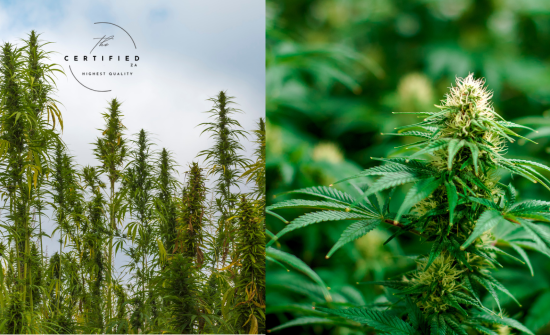
Hemp refers to varieties bred for industrial use, with THC levels below the legal threshold of 0.3% (or 0.2% in some countries). Hemp plants are typically taller, with fewer flowers, and optimised for fibre and seed production. In South Africa, for example, our landrace cannabis strains naturally thrive with low THC levels, but they still exceed the legal threshold for industrial hemp, making them unsuitable for industrial applications.

The genetic divergence between hemp and cannabis is largely a result of selective breeding rather than natural evolution. Industrial hemp strains are bred to minimise THC and maximize stalk and seed output, while cannabis cultivars focus on producing resin-rich flowers with higher cannabinoid concentrations. This divergence has been driven by legal frameworks that impose strict divides between the two, limiting the plant’s full potential. For a deeper dive into this, you can check out our blog on Cannabis and Hemp.

The key takeaway here is that the new legislation specifically targets hemp-derived foodstuffs, not cannabis products. However, the confusion arises because both hemp and cannabis come from the same plant species, leading many in the cannabis industry to mistakenly believe that this law affects their sector.

new hemp legislation

What Does the New Legislation Prohibit?

Prohibition of sale, importation and manufacture of foodstuffs containing any part of the plant or component derived from the genus Cannabis sativa L, Hemp, Hemp seed oil or hemp seed flour

No one may sell, manufacture or import, processed or unprocessed, foodstuff containing:

(a) any part of the plant or component from the genus Cannabis which includes C.sativa, C.indica and C.ruderalis, or

(b) hemp seed oil or powder from any component derived from the genus Cannabis sativa L, and various species or sub-species in the genus Cannabis sativa.

Offences and penalties

Any person who sells, imports or manufactures foodstuff containing the prohibited substances as contemplated in Regulation 2 is guilty of an offence and is liable on conviction to a fine or to imprisonment as prescribed in Section 18 of the Act.

This legislation effectively prohibits the sale, importation, and manufacture of foodstuffs that contain any part of the Cannabis sativa L plant, including hemp, hemp seed oil, or hemp seed flour. Violations of this regulation can result in fines or imprisonment as outlined in Section 18 of the Foodstuffs, Cosmetics and Disinfectants Act, 1972.

This means that companies producing and selling hemp-based food products, such as hemp seed oil, hemp protein powder, and other consumables, are now required to cease these activities or face legal consequences.

Impact on the Hemp Industry

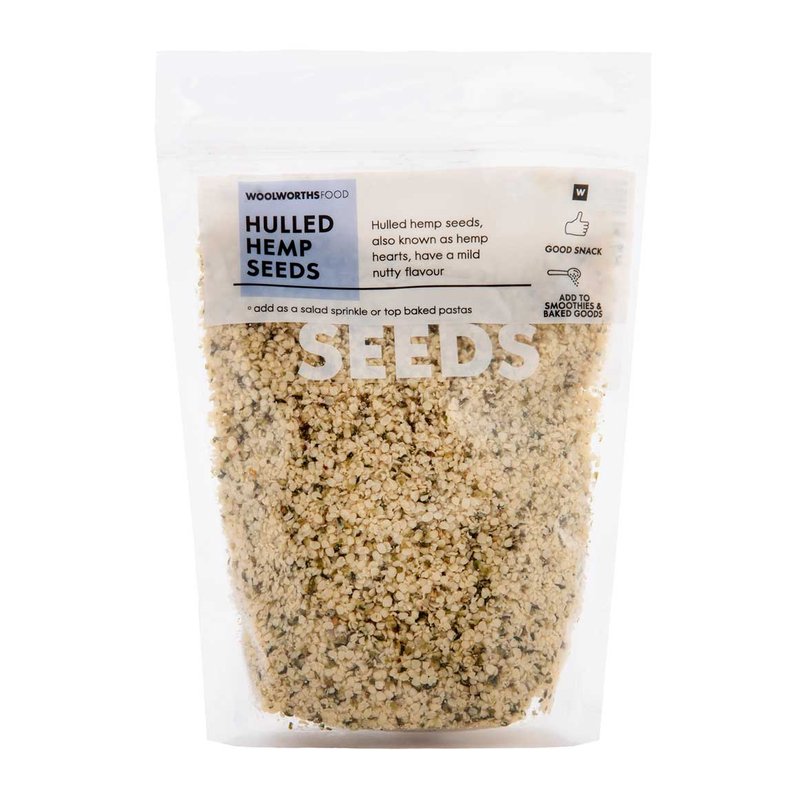
The legislation is a significant blow to the hemp industry, particularly for businesses that have been producing and selling hemp-based food products. Companies like Checkers, Dis-Chem, Woolworths, Health Connection, Whole Foods, and Superfoods have been offering hemp seed oil, hemp seed powder, and other hemp-derived consumables. These companies are now grappling with how to comply with the new regulations.

Superfoods: The company has stated that they are still figuring out how to proceed but have not yet removed their hemp products from their online store.

Woolworths: They have reached out to the technical food department for guidance but, as of now, have not removed their hemp products from shelves. Product code: 6009217900923 – 

This legislation not only affects businesses but also consumers who rely on hemp-based products for their nutritional benefits. Many of these consumers don’t use cannabis. They are often the more health-conscious consumers, using hemp seed, and hemp seed powder as added benefits to smoothies and salads. 

The Nutritional Benefits of Hemp

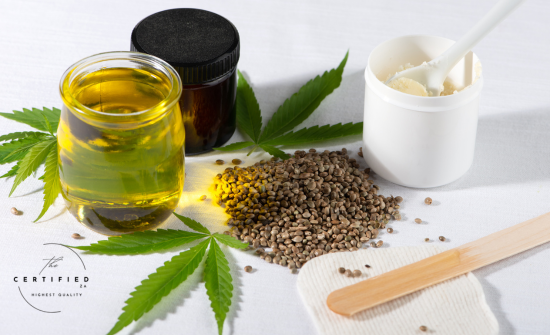
Hemp seeds and hemp-derived products are known for their nutritional benefits, including:

  • Rich in Omega-3 and Omega-6 Fatty Acids: Essential for heart health and brain function.
  • High in Protein: A complete protein source, containing all nine essential amino acids.
  • Packed with Vitamins and Minerals: Including vitamin E, magnesium, phosphorus, and potassium.

Misconceptions in the Cannabis Industry

One of the most significant points of confusion is the belief that this legislation impacts the cannabis industry, particularly the sale of cannabis edibles. However, it’s important to clarify that the sale of cannabis edibles has never been legal in South Africa. This legislation specifically targets hemp-derived foodstuffs, not cannabis products.

The black market for cannabis products, including edibles, will likely continue to operate as it has been, as this legislation does not directly impact the illegal cannabis market. However, the confusion highlights the need for better education and communication about the differences between hemp and cannabis.

Why the Ban on Hemp Foodstuffs?

While the legislation may seem restrictive, it’s essential to consider the potential risks of unregulated hemp foodstuffs. Without proper regulation, there could be inconsistencies in the quality, safety, and labelling of hemp-based products, which could pose risks to consumers. However, this move has been met with criticism, as there are already regulations in place for the processing and packaging of foodstuffs. The new law may create confusion and challenges for businesses that have been compliant with existing food safety standards.

new hemp legislation

The prohibition of hemp-based foodstuffs could be seen as a setback for consumers who rely on these products for their health benefits. Many people are submitting letters to the president, highlighting the nutritional value of hemp and advocating for its continued use in food products.

What Can Be Done?

Advocacy: Industry stakeholders, health experts, and consumers can continue to advocate for hemp’s benefits and push for a reconsideration of the legislation. This could involve submitting evidence-based arguments to the government highlighting hemp’s economic and health benefits. 

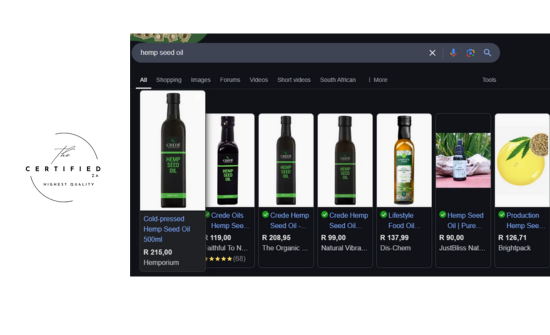
Compliance: Companies currently selling hemp-based foodstuffs will need to comply with the new regulations, which may involve reformulating products or finding alternative ingredients. How fast this compliance will be taken into account or enforced is a whole other conversation we can have. Currently, if you do a Google search for hemp seed oil you would still be able to buy some. We can assume the lack of communication will cause many more issues as things progress in this complex cannabis and hemp industry of ours.

new hemp legislation

Education: It’s crucial to educate both the public and industry players about the differences between hemp and cannabis, and to clarify that this legislation does not impact the recreational cannabis market as they wanted to be affected by it. I have seen more upset voices in WhatsApp groups than from Dischem who is selling hemp foodstuffs… So there is that.

The new legislation represents a significant shift for the hemp industry, particularly for companies producing hemp-based foodstuffs. While it does not directly impact the cannabis industry, clear communication is needed to avoid misconceptions. The prohibition of hemp-derived foodstuffs could have negative implications for both businesses and consumers, but it also highlights the need for proper regulation and standardization in the industry.

Posted on

Flushing Cannabis Before Harvest: Does It Really Improve Quality?

Flushing Cannabis Before Harvest: Does It Really Improve Quality?

As we continue our deep dive into the harvesting and post-harvest processes, one of the most debated topics among cannabis growers is flushing. Some cultivators consider it an essential step for producing smooth, flavorful cannabis, while others argue that it has little to no impact on final quality.

Flushing refers to stopping the use of nutrients and feeding plants only water in the last days or weeks before harvest. The idea is to force the plant to use up its stored nutrients, resulting in a cleaner-burning product with better taste and reduced harshness. However, recent scientific studies have called this practice into question, finding little measurable difference in THC content, terpenes, or taste between flushed and unflushed cannabis.

In this blog, we’ll explore what flushing does, its potential benefits, the scientific findings on its effectiveness, and best practices for growers. By the end, you’ll have the knowledge to determine whether flushing is the right choice for your cultivation setup.

What Is Flushing, and How Does It Work?

Flushing is a pre-harvest technique where growers stop feeding plants nutrients and instead provide only pH-balanced water for a set period before harvesting. The goal is to flush out excess nutrients and mineral salts from the plant’s system, ensuring that the final product burns smoothly and has no harsh chemical aftertaste.

The process typically lasts 7 to 14 days, depending on the growing medium:

  • Soil-based grows: 10–14 days before harvest
  • Coco coir grows: 7–10 days before harvest
  • Hydroponic systems: 3–7 days before harvest
flushing cannabis

The fundamental idea behind flushing is that excess nutrients, particularly nitrogen and salts, can remain in plant tissues if not adequately flushed out before harvest. These residues are believed to contribute to harsh smoke, chemical aftertastes, and poor combustion quality, leading to an unpleasant consumer experience. Traditional growers argue that flushing forces the plant to consume its internal nutrient reserves, which allegedly improves the smoothness and purity of the final product. Additionally, anecdotal evidence suggests that unflushed cannabis can result in black ash and a harsher throat feel, whereas properly flushed cannabis burns to clean, white ash. This belief has led to flushing becoming a widespread practice among cultivators, particularly those using synthetic nutrients in hydroponic and coco-based systems.

However, recent research challenges the assumption that flushing significantly alters nutrient content in harvested buds. Scientific studies analysing cannabis plants subjected to different flushing periods have found no measurable differences in nutrient concentrations, THC levels, terpene profiles, or consumer preference. This suggests that flushing may not effectively remove stored nutrients as previously thought but rather forces the plant into a state of starvation during a crucial stage of resin production. Instead of improving the quality of the final product, extended flushing may actually hinder cannabinoid and terpene development, leading to potential losses in potency and aroma. These findings indicate that a well-balanced nutrient regimen throughout the plant’s lifecycle, combined with proper drying and curing, may have a far greater impact on overall quality than pre-harvest flushing alone.

The Debate: Does Flushing Actually Improve Cannabis Quality?

For years, many growers have claimed that flushing is necessary for removing unwanted chemical residues, improving flavour, and ensuring smoother smoke. However, scientific research has yet to provide strong evidence supporting these claims.

A study conducted by Rx Green Technologies tested cannabis plants subjected to different flushing periods (14, 10, 7, and 0 days) and measured:

  • THC and terpene content
  • Taste and smoothness of smoke
  • Ash colour after combustion
  • Overall consumer preference

Surprisingly, the study found no significant differences between flushed and unflushed cannabis in terms of THC, terpenes, or yield. In fact, a blind taste test showed that panellists preferred the taste and smoothness of the cannabis that was NOT flushed.

One of the key takeaways from this study is that flushing does not significantly impact the removal of stored nutrients from cannabis flowers. The plant naturally metabolises nutrients as it matures, and excessive flushing may actually stress the plant and reduce final quality.

flushing cannabis

How Flushing Affects Taste, Smoke, and Burn Quality

Flushing is often associated with producing cannabis that burns cleaner and tastes better. The rationale is that plants with high residual nutrient content produce black ash and harsh smoke, while flushed plants burn to white ash and have a smoother taste.

However, the Rx Green Technologies study found that the duration of flushing had no effect on the colour of the ash or the perceived smoothness of the smoke. While some growers still swear by the practice, others suggest that proper curing and drying techniques play a much bigger role in determining the final taste and burn quality of cannabis.

Instead of relying solely on flushing, growers should focus on maintaining a balanced nutrient schedule throughout the plant’s life cycle and implementing proper drying and curing to ensure a smooth, flavorful product.

flushing cannabis

Best Practices for Flushing Cannabis

If you still prefer to flush your plants before harvest, following these best practices will ensure that you do so effectively without compromising quality:

  1. Use pH-Balanced Water: Ensure the water used for flushing is in the optimal pH range (5.8–6.2 for hydroponics, 6.2–6.8 for soil) to prevent nutrient lockout.
  2. Gradual Nutrient Reduction: Instead of abruptly stopping nutrients, slowly decrease feeding in the final weeks of flowering.
  3. Monitor Leaf and Bud Condition: Yellowing leaves may indicate that the plant is using stored nutrients, but excessive flushing can cause stress and reduce overall vigor.
  4. Consider Growing Medium Differences: Soilless and hydroponic growers require shorter flushing periods compared to traditional soil growers.
  5. Combine Flushing with Proper Curing: Many of the benefits attributed to flushing (smoother smoke, better taste) are actually the result of a well-executed curing process rather than nutrient depletion.
flushing cannabis

Is Flushing Necessary?

The debate over flushing remains one of the most controversial topics in cannabis cultivation. While many traditional growers believe that removing nutrients before harvest leads to a cleaner, smoother product, scientific studies suggest otherwise. The research conducted on different flushing periods found no measurable differences in potency, flavour, or smoke quality, and in some cases, non-flushed cannabis was preferred in blind taste tests.

Instead of relying on flushing, growers should focus on optimising nutrient uptake throughout the plant’s life cycle, ensuring proper drying and curing techniques, and maintaining overall plant health. Healthy plants produce high-quality cannabis, regardless of whether they are flushed or not.

Would you still choose to flush your cannabis before harvest? Let us know your thoughts and experiences.

Posted on

A South African Christmas with Cannabis

A South African Christmas with Cannabis

Christmas is a time for celebration, togetherness, and embracing traditions—both old and new. In South Africa, the holiday season isn’t just about braais and biltong; it’s about community, connection, and sharing moments with loved ones under the summer sun. This year, why not add a cannabis-inspired twist to your festive season?

In today’s blog, we take a step back from the technicalities of cultivation and medicine to explore how cannabis can enhance your celebrations. Whether it’s sparking creativity in your decorations, bonding over infused culinary creations, or simply enjoying the plant as part of your lifestyle, this holiday is the perfect time to reflect on cannabis’s cultural and communal impact.

A South African Christmas with Cannabis

The Spirit of Cannabis and Christmas

Cannabis, much like Christmas, has a unique way of bringing people together. Sharing a joint or a cannabis-infused treat at a gathering can create a sense of camaraderie, breaking barriers and sparking genuine conversations. In South Africa, where the legalization of private cannabis use has paved the way for open dialogue, incorporating cannabis into holiday traditions can be a celebration of our collective progress as a community.

Imagine exchanging gifts that reflect your passion for cannabis, from locally sourced pre-rolls to artisanal cannabis edibles or hand-crafted stash boxes. These thoughtful gifts go beyond material value—they symbolize shared experiences and a commitment to living authentically.

A South African Christmas with Cannabis

Give Stoners Stoner Gifts

Gifting a stoner a bag of weed for Christmas is always a brillient idea. There is no cannabis user and enthusiest that will ever sayno to that. But amongst those, there are some cool items and things to gift your stoner buddy this year.

Stash Bags are cool pouches that allows you to put all your smoking paraphilia and herb in a cool easy to carry bag. They normally are smell proof and blend in with most other backpacks or handbags, so they fit right in.

Glassware, Pipes,bongs and Dab rigs. This too is such a worthy gift to a stoner as it will be something they will use. Those that do extracts will always be happy to receive a new rig, maybe even a 6 pack of gas canisters. Glass can break and so the gift will be handled with care, which in turn wouldmean more to the person.

Restock them on supplies. Things like Papers, new grinders and filter tips. These stoners are always grateful for. A nice grinder or pair os scissor for the old school folk. Put a smile on a stoners face by blessing him/her with some One Love papers. We all love those. Even those that don’t use papers will love a pack of those.

A South African Christmas with Cannabis

Festive Cannabis Pairings

The holidays are synonymous with indulgence, and cannabis can elevate every aspect of your celebration:

  1. Infused Cuisine:
    Cannabis-infused dishes or drinks can transform Christmas dinner into a memorable culinary experience. From medicated Gamon to THC-laced desserts, the options are endless. Just remember to dose responsibly to ensure everyone has a joyful time. Keep all edible treats away from the kids, and enjoy. The culture has grown so much that groups of friends are having high dinners for Christmas. It’s a beautiful thing.
  2. Decorative Inspiration:
    Deck your halls with cannabis-inspired wreaths or mistletoe alternatives. A cannabis-themed twist on traditional decorations not only makes for a great conversation starter but also reflects your passion for the plant. A fresh Branch of cannabis to replace the mistletoe will produce yummy aromas in the house. Perhaps the subtle scent of pine will soothe the evening’s gathering from the start. Other cool things are have buds in the centre table and or weed crackers with some cool silly gifts in it.
  3. Game Time Fun:
    Host a cannabis-friendly trivia or movie night with friends and family. Tailor the experience to include lighthearted cannabis-themed games that everyone can enjoy, regardless of their familiarity with the plant. Combining Christmas movies with cannabis and friends is very entertaining. From watching the emotional tear fall movies to the laughing your gut out stuff. Home Alone has never been that entertaining. 
A South African Christmas with Cannabis

Celebrating Community Through Cannabis

Christmas is not just about personal enjoyment; it’s about giving back and fostering a sense of community. Cannabis culture in South Africa thrives on shared knowledge and mutual respect, and the holiday season is an ideal time to celebrate this spirit.

Consider organizing a festive gathering where cannabis enthusiasts can exchange stories, tips, and even clones or seeds. Such events reinforce the idea that cannabis is more than a plant—it’s a lifestyle that unites people from all walks of life. Secret Santa swops . stash and dash Christmas additions are all things that bring people together. 

Additionally, the holidays provide an opportunity to advocate for sustainable cannabis practices. Share ideas on eco-friendly cultivation or contribute to community-driven initiatives that support small-scale growers and local entrepreneurs.

Reflections on the Year

As the year winds down, Christmas is also a time for reflection. Cannabis has played a significant role in South Africa’s cultural evolution, offering new opportunities for personal growth, wellness, and economic empowerment. Whether you’ve mastered the art of cultivation or simply embraced the plant’s medicinal benefits, the journey with cannabis is as rewarding as it is enlightening.

Let this holiday season serve as a reminder of the progress we’ve made and the possibilities that lie ahead. As we celebrate with friends and family, let’s also honor the resilience of our communities and the potential of cannabis to inspire creativity, connection, and change. Knowing that whatever we achieved or did not achieve this year we can put in double efforts next year for those goals. Reflect on the family and friends you have been connecting with this year.

A South African Christmas with Cannabis

This Christmas, let cannabis be a part of your story—a symbol of joy, creativity, and togetherness. Whether you’re sharing infused treats, swapping cannabis-themed gifts, or simply relaxing under the South African sun with loved ones, cannabis offers a way to celebrate the season with authenticity and warmth.

Here’s to a festive season filled with laughter, love, and a little green magic. From our cannabis community to yours, we wish you a Merry Christmas and a bright, abundant New Year!

Posted on

Is Cannabis and Hemp the same thing?

is cannabis and hemp the same thing?

Last week, we explored the critical role of environmental controls in cannabis cultivation, discussing how managing factors like light, humidity, and airflow can transform your growing setup into a high-performing ecosystem. This week, we’re stepping back to consider a broader question—one that speaks to the very identity of the plant itself: Is cannabis and hemp the same thing?

This question is more than a matter of semantics; it’s at the heart of cultural, scientific, and legal debates worldwide. While cannabis and hemp share the same botanical classification (Cannabis sativa L.), legal definitions have imposed strict divides between their uses, limiting the potential of this remarkably versatile plant. In this article, we’ll explore their shared genetic origins, industrial and medicinal applications, and the legal frameworks that shape their cultivation. Asking the questions that many are avoiding.Things like if classifications are important to the entire industry, What can we do to change the current situation we are in, and do we really need to distinguish between the two?

The Genetics of Cannabis and Hemp

Scientifically, cannabis and hemp are two classifications of the same species, Cannabis sativa L. Their distinction is not rooted in botany but in human use and legal interpretation. Both hemp and cannabis contain cannabinoids such as tetrahydrocannabinol (THC) and cannabidiol (CBD), but it’s the concentration of THC—the psychoactive compound—that differentiates them under most legal frameworks.

  • Cannabis: Generally refers to varieties with higher THC levels (typically over 0.3%), cultivated for recreational, medicinal, and therapeutic purposes. Other known terms are Marijuana, Mary Jane, Doob, and The sticky icky –  amongst others

Hemp: Refers to varieties bred for industrial use, with THC levels below the legal threshold of 0.3% and in some countries 0.2%. Hemp plants are often taller, with fewer flowers, optimized for fibre and seed production. In South Africa, there are so many things to be said about this % concentration. Our landrace cannabis that thrives has a low THC % but is still too highly concentrated to be used as an industrial application. More on this below.

is cannabis and hemp the same thing?

The genetic divergence between cannabis and hemp reflects selective breeding rather than natural evolution. Industrial hemp strains are bred to minimize THC and maximize stalk and seed output, while cannabis cultivars focus on resin-rich flowers containing higher cannabinoid concentrations. I believe it is due to the legal framework set up over the years that breeders had to ensure such drastic splits in their genetics. If we simply recognized that industrial plant application does not include human consumption of the product then it should already be ‘ok’ to use. A brick made from cannabis-grown Hurd is not going to get you high…

This has me wondering why our permissions are so strict, even after all our research has been done to date. If you have any answers regarding this. Let us know in the comment section below.

The Multifaceted Uses of Cannabis and Hemp

Cannabis and hemp are remarkably versatile, capable of serving both medicinal and industrial purposes. This dual potential has been overshadowed by legal restrictions that narrowly define their applications.

Industrial Applications of Hemp


Hemp’s historical significance lies in its industrial applications. The long fibres in hemp stalks have been used for textiles, ropes, and paper for centuries, while the seeds are valued for their oil and nutritional content. Modern uses of hemp include:

  • Bioplastics: Sustainable alternatives to petroleum-based plastics.
  • Construction Materials: Hempcrete, an insulating and eco-friendly building material.
  • Biofuels: Renewable energy sources derived from hemp biomass.
  • Agricultural: From animal bedding to animal feed, mulch and fertiliser.

Medicinal and Recreational Uses of Cannabis


Cannabis varieties bred for higher THC or CBD concentrations are prized for their psychoactive and therapeutic properties. CBD-rich strains have gained global recognition for their potential in managing anxiety, chronic pain, and epilepsy. Today, the challenge behind a full-spectrum CBD cannabis strain still exists, due to the THC concentration. Regardless of whether or not a CBD-full Spectrum is psychoactive or not – which isn’t due to its high CBD concentration. It is still classified as cannabis and has to go through the strict rules of medical cannabis. Meanwhile, THC-dominant varieties are celebrated for their euphoric effects and medicinal benefits, including appetite stimulation and nausea reduction.

Cross-Functional Potential


In theory, cannabis plants cultivated for medicinal purposes could also yield industrial byproducts like fibre or seed oil. However, legal constraints often force growers to focus on a single purpose, leaving much of the plant’s potential untapped. We know that industrial hemp has medical benefits and that to date the industry is extracting CBD and CBG out of these hemp varieties for therapeutic and other medical uses. It is only natural then that some sativa landraces that grow tall. Strains like the Transkei, Durban Poison, Rooibaard and Congolese Gold strains will do really well for fibre and other industrial applications.

is cannabis and hemp the same thing?

Legal Frameworks and Their Impact

The divide between cannabis and hemp is largely a product of legislation rather than science. Many countries, including the United States, use THC concentration as the defining factor. This binary classification often restricts the cultivation of cannabis strains that could serve both medicinal and industrial purposes, limiting innovation.

For instance, in South Africa, where cannabis and hemp cultivation is permitted under strict conditions, the legal framework primarily focuses on THC thresholds and licensing requirements. These restrictions prevent growers from exploring dual-purpose strains that could maximize the plant’s versatility. It is also forcing local growers who wish to apply industrial use to their landrace strains to import varieties from elsewhere. As there is just not enough hemp seed in the country. Although the ARC (Agricultural Research Council) has made strides to produce a South African Hemp strain, these are very far from reaching the public domain for commercial use and in my humble opinion, it would be better to use what we already have.

is cannabis and hemp the same thing?

Some experts in the cannabis and hemp fields are advocating for an increase in the THC concentration to help alleviate the strict pressure we currently face when growing hemp. In Africa in general, our sun is nothing to play with. Due to the fact that THC is also a natural defence barrier for cannabis, when subjected to harsh intense sun, the hemp plants will naturally increase their THC concentration levels. Some have suggested 1% as a new concentration to uphold the hemp classification. But I think it should be based on permissions and agricultural practices.

Bridging the Divide: A Case for Unified Cultivation

Revisiting how we define cannabis and hemp opens the door to more sustainable and innovative cultivation practices. By recognizing their shared potential, growers can:

  • Maximize Plant Utilization: Cultivate strains that produce high-quality flowers while also yielding fiber or seed oil.
  • Promote Sustainability: Reduce waste by utilizing all parts of the plant, from flowers to stalks and seeds.
  • Encourage Research: Expand breeding programs to develop strains optimized for both industrial and medicinal applications.

The economic opportunities that will unlock if both hemp and cannabis was put under one umbrella and permissions were based on your purpose for production, everyone would still have to have medically approved spaces to do medical cannabis, but this wont exclude them from the industrial market. The same way it is being done for hemp. If you wish to grow hemp for industrial purposes your permissions is set based on your land and rights to farm. The hemp farmer can grow this plant for seed and use this for both human consumption and industrial purposes. The food stuffs will just go through the regular food stuff legal hurdles, same as maize would. This hemp seed oil for example has major medical benefits. So why should the cannabis cultivator be restricted to only medical applications?

is cannabis and hemp the same thing?

Cannabis and hemp are two sides of the same coin—botanically identical, yet treated as distinct entities by society and the law. While legal frameworks continue to emphasize their differences, it’s time to focus on their shared potential. A unified approach to cultivation could unlock new opportunities for sustainability, innovation, and economic growth.

As we reflect on this broader perspective, it’s clear that the path forward requires not just better cultivation practices but also a reevaluation of how we define and regulate this extraordinary plant. Whether for medicine, industry, or both, cannabis and hemp are poised to redefine the future of agriculture.

Posted on

Cannabis Sativa L: The People’s Plant

Cannabis Sativa L

As the season progresses, I believe I’ve shared some valuable insights and concepts for cultivating a thriving cannabis garden. Over the past two months, we’ve explored a range of topics, from propagation to transplanting and plant training, all crafted to help you maximise your growing efforts. This week, however, I want to pause and focus on Cannabis sativa L. itself—the “people’s plant.”

After weeks of “how-to” guides, it’s essential to let the plants breathe, to implement the practices we’ve discussed, and to give your cannabis the time it needs to flourish. Today, we’re celebrating the many dimensions of this remarkable plant and the impact it continues to have on both our lives and our environment.

Cannabis Sativa L

The Rich Spectrum of Cannabis: More Than Just a Plant

Cannabis is often hailed as the “plant of a thousand molecules.” This remarkable diversity of compounds is what gives it such a broad spectrum of uses. From therapeutic cannabinoids to aromatic terpenes and protective phenolics, cannabis is a natural pharmacy, encapsulating compounds that support wellness, relieve pain, and foster mental clarity. The plant’s fibrous qualities even extend beyond health, as it provides strong, sustainable fibres suitable for textiles, bioplastics, and even construction materials like hempcrete.

Today, Cannabis is recognised in two parts. Cannabis as Medicine and Hemp as an Industrial plant, with its applications. There are over 700 different cannabis varieties and each one has its own unique application in the field. Making Cannabis one of the most versatile plants in the world. 

Each compound found within Cannabis sativa has a unique role, whether in enhancing health or in contributing to the resilience of the plant itself. For example, cannabinoids, which include THC and CBD, interact with the human endocannabinoid system to help manage pain, anxiety, and inflammation. Meanwhile, terpenes lend cannabis its signature aroma and provide additional therapeutic effects, enhancing the efficacy of cannabinoids in what is known as the “entourage effect.” We have written some blogs on both of these topics in the past. There are so many more things to learn about cannabis as a whole. We are still discovering new cannabinoids, like the new THCP (tetrahydrocannabiphorol) sai to be 30x stronger than the staple THC compound.

Cannabis Sativa L

Sustainability and Innovation in Cannabis Cultivation

In the current age of environmental awareness, cannabis stands out as a crop that aligns beautifully with sustainable farming principles. This fast-growing plant has a minimal environmental footprint and a range of applications that promote eco-friendly industries. For instance, cannabis fibres, both cellulosic and woody, are strong yet biodegradable, offering a renewable alternative to traditional synthetic materials in industries such as automotive, fashion, and packaging.

Companies like The Greater Value Industrial Project, GVIP are using hemp to make South Africa’s Net-Zero Carbon initiative a reality by providing a real solution to a coal alternative, community integration and a sustainable model to ensure The Just Energy Transition Implementation plan of South Africa is met. Moving us from a Scope-2 Emissions country to a Green economy.

The plant’s deep-rooting system helps prevent soil erosion, and its low water requirements make it more sustainable compared to other fibre crops like cotton. The result is a crop that’s not only beneficial for those who use it but also for the environment it grows in.

Cannabis Sativa L

The Phytochemicals of Cannabis: Natural Molecules with Power

Cannabis isn’t just a source of cannabinoids. It also contains terpenes and phenolic compounds that contribute to its medicinal properties. Terpenes like limonene, pinene, and myrcene offer their own therapeutic benefits, such as reducing inflammation, anxiety, and pain. These compounds, along with cannabinoids, work synergistically to amplify cannabis’s effectiveness—a phenomenon well-known to cannabis enthusiasts as the “entourage effect.

In addition to cannabinoids and terpenes, cannabis contains unique phenolic compounds, including flavonoids like cannflavin A and B. These compounds have potent anti-inflammatory effects, with the potential to contribute to pain relief and healing in new and innovative ways.

Cannabis Trichomes: Nature’s Tiny Factories

Cannabis trichomes, the tiny, crystal-like structures covering the plant’s surface, are where the magic happens. These trichomes house the plant’s primary chemical compounds—cannabinoids, terpenes, and phenolics—making them critical to the plant’s potency and therapeutic value. Not only do trichomes protect the plant from predators and environmental stress, but they also serve as tiny chemical factories, producing compounds that enhance the plant’s resilience and our own well-being.

Trichomes are an essential focus for growers and researchers alike, as their density and health directly affect the quality and potency of cannabis. With advancements in cultivation and extraction techniques, we’re now able to harness these compounds more effectively than ever, making cannabis an even more valuable resource for health and wellness.

The Promise of Cannabis Biotechnology

In recent years, biotechnological advancements have unlocked even more possibilities for Cannabis sativa. Genetic engineering, tissue culture, and metabolomics are just some of the tools researchers are using to enhance the plant’s natural abilities. For example, scientists are developing cannabis strains with specific cannabinoid profiles tailored to treat different conditions, from chronic pain to neurological disorders. There is also ongoing work to increase the yield and resilience of cannabis crops, making them more efficient to grow in diverse climates and conditions.

Through biotechnology, we are poised to make cannabis more accessible and beneficial for a broader range of applications, reinforcing its place as “the people’s plant.” Some might argue that doing this is taking away from the natural beauty and power of the plant, and that is ok too. We should all have our opinion on how industries as a whole should work around the plant. But we cannot take away from the great benefit that biotechonogical advancements have made for us in the cannabis industry.

Cannabis Sativa L

Cannabis: A Symbol of Cultural Resilience

Throughout history, Cannabis sativa has been a plant of the people, cherished across cultures and continents. From traditional uses in textiles and medicine to its revival as a source of wellness, cannabis holds a unique place in human history. It represents resilience, adaptation, and the powerful connection between humans and nature.

As we continue to explore and expand its potential, cannabis remains a symbol of sustainable growth, cultural significance, and boundless opportunity. For those who cherish cannabis, it is more than a plant—it is a source of healing, innovation, and inspiration.

Posted on

Permaculture: An Overview

Permaculture an overiew

The philosophy and ethics of permaculture form the bedrock upon which the entire discipline stands. Permaculture, a portmanteau of “permanent agriculture” and “permanent culture,” represents a holistic approach to designing environments that emulate the patterns and relationships found in natural ecosystems. Bill Mollison, one of the pioneers of the permaculture movement, introduces this unique approach with a focus on sustainable living, advocating for a shift from exploitative practices to regenerative ones that enhance the well-being of the Earth and its inhabitants.

Permaculture

At the heart of permaculture lies a set of core ethics that guide every action and decision within the framework. The primary ethics of permaculture are Earth Care, People Care, and Fair Share. Earth Care emphasizes the importance of preserving and restoring natural systems, ensuring the health of the planet for future generations. People Care focuses on the well-being of individuals and communities, promoting practices that support physical, mental, and social health. Fair Share advocates for equitable distribution of resources, encouraging practices that limit consumption and foster sharing and cooperation.

Understanding Natural Systems – Patterns, Cycles, and Feedback

Understanding and harnessing the intricacies of natural systems is pivotal. At the heart of this is the recognition of natural patterns, cycles, and feedback loops, which govern the functioning of ecological systems. Bill Mollison emphasizes the importance of working with, rather than against, these natural phenomena to create sustainable and self-regulating designs.

Natural patterns are the recurring configurations found in nature, such as the spiral shapes of galaxies, the branching of trees and rivers, or the tessellation of honeycombs. These patterns are not only aesthetically pleasing but also functionally efficient. For example, the branching pattern in trees and rivers optimizes the distribution of nutrients and water, while the spiral pattern in shells and hurricanes promotes efficient energy flow. In permaculture design, recognizing and incorporating these patterns can lead to more effective and sustainable systems. For instance, using keyline design for water distribution mimics the natural flow of water across landscapes, ensuring even hydration and reducing erosion.

Cycles are another fundamental aspect of natural systems. These are the recurring processes that sustain life, such as the water cycle, nutrient cycles, and seasonal cycles. Each cycle plays a crucial role in maintaining the balance and health of ecosystems. In permaculture, understanding these cycles allows us to create designs that support and enhance them. For example, integrating water reuse systems and rain gardens into a permaculture design can help sustain the water cycle by capturing and purifying rainwater, thereby reducing the need for external water sources.

Designing Sustainable Systems

Designing sustainable systems is at the heart of permaculture, providing a blueprint for creating environments that are resilient, self-sustaining, and in harmony with natural processes. The methodologies and strategies employed in permaculture design encompass a range of practices aimed at achieving these goals. Central to this endeavor is a deep reliance on observation and thoughtful planning, which ensures that designs are well-adapted to their specific contexts and needs.

Permaculture

The first step in effective permaculture design is thorough observation. This involves spending significant time understanding the unique characteristics of the site – its climate, soil type, topography, water availability, and existing flora and fauna. By observing the natural patterns and cycles present in the environment, designers can identify how to work with these forces rather than against them. This foundational knowledge allows for the creation of systems that function in harmony with the ecosystem. The design process incorporates permaculture principles such as diversity, edge effect, and stacking functions, ensuring that each element within the system serves multiple purposes. For example, a tree might provide shade, food, habitat for animals, and contribute to soil fertility through leaf litter.

The design process incorporates permaculture principles such as diversity, edge effect, and stacking functions, ensuring that each element within the system serves multiple purposes. For example, a tree might provide shade, food, habitat for animals, and contribute to soil fertility through leaf litter.

Water Management

Water management is a critical aspect of permaculture design, serving as the lifeblood of sustainable ecosystems. Effective water management in permaculture involves a combination of techniques for harvesting, conservation, and sustainable usage to ensure that this most valuable resource is used to its utmost efficiency. One of the fundamental techniques for collecting water in permaculture systems is rainwater harvesting. This involves capturing and storing rainwater from surfaces like rooftops or specially designed catchment areas. The use of rain barrels, cisterns, and swales—shallow channels designed to redirect surface runoff—are all common methods.

Sustainable water usage in permaculture is also about reducing waste and recycling water wherever possible. Greywater systems, which recycle water from household uses such as sinks, showers, and washing machines, can be treated and reused for irrigation. This not only reduces the demand on freshwater supplies but also provides a steady source of water for gardens and landscapes.

Soil Health and Management

Soil health and management are paramount in any sustainable agriculture system, and permaculture places a strong emphasis on building a fertile foundation for growing plants. Healthy soil is the bedrock of productive and resilient ecosystems, providing essential nutrients, supporting plant roots, and contributing to water retention and drainage. To achieve and maintain soil health in permaculture, a variety of methods can be employed, each focusing on enhancing the natural functions and fertility of the soil.

Permaculture

One primary method of improving soil fertility is through composting. This process turns waste into valuable humus, rich in nutrients, and beneficial microorganisms that improve soil structure and fertility. Properly managed composting can accelerate the breakdown process, ensuring the material reaches a stable form that can be safely and effectively applied to garden beds, fields, and orchards, thereby boosting the soil’s organic content and nutrient availability.

Integrating Plants and Animals

In permaculture, the integration of plants and animals plays a crucial role in establishing a balanced and productive ecosystem. The symbiotic relationships between flora and fauna are foundational to creating systems where every organism supports and enhances the well-being of others, contributing to a resilient and self-sustaining environment. 

Plants and animals each have unique functions and benefits within a permaculture system. Plants, for instance, are vital for capturing solar energy through photosynthesis, creating biomass, and providing food and habitat for various animal species. They contribute to air quality by absorbing carbon dioxide and releasing oxygen, and their root systems help stabilize soil and prevent erosion. Animals, on the other hand, play essential roles in pest control, pollination, soil fertilization, and seed dispersal. They also contribute organic matter through their waste products, which are valuable nutrients for plants.

Permaculture

Beneficial plant and animal relationships are illustrated through practices such as the use of nitrogen-fixing plants in polycultures. Leguminous plants like clover, peas, and beans have symbiotic relationships with nitrogen-fixing bacteria, which convert atmospheric nitrogen into a form usable by plants. Including these plants in a system can significantly enhance soil fertility without the need for synthetic fertilizers. Planting insectary plants, which attract beneficial insects such as pollinators and predators of pests, provides a natural form of pest control, reducing the reliance on chemical pesticides.

In Conclusion

There is lots more that can be said about permaculture. Ultimately, permaculture is more than just a method of agriculture or land management; it is a philosophy that encompasses a way of life. It calls for a deep connection to the Earth, a commitment to sustainability, and a recognition of the interconnectedness of all living systems. By adhering to its ethics and principles, individuals and communities can contribute to a more sustainable and equitable world, fostering a culture that values cooperation, conservation, and creativity in addressing the challenges of the modern era.

Posted on

8 Fun Activities With Cannabis

8 Fun Activities With Cannabis

For a long time, we have known cannabis to enhance our activities, making everyday experiences more enjoyable and immersive. Whether you’re an outdoor enthusiast, a creative soul, or someone who loves socialising, pairing the right strain with your favourite pastime can elevate the experience to new heights. Even doing nothing can become more fun with a little bit of toking involved… 

The Perfect Strain for Every Activity

Before diving into the activities themselves, it’s essential to understand how different strains can influence your experience. Sativa strains are known for their uplifting and energising effects, making them perfect for active pursuits and creative endeavours. Hikes and painting sessions are the types of things that will pair well. Indica strains, on the other hand, are renowned for their relaxing and calming properties, ideal for more laid-back activities. Think, of movies or going for a massage vibe.  Hybrid strains offer a mix of both, providing balanced effects suitable for a variety of activities. From playing board games to having fat chats. With this being said, we all react differently to cannabis so this is not set in stone. You could still smoke a heavy sativa strain like Durban Poison and still do movies be chilled out and have a great time.

Hiking and Nature Walks

For those who love the great outdoors, combining cannabis with hiking or nature walks can be a profoundly enriching experience. Nature has a way of making us feel again. Cannabis too. These two combined can truly change the way you see things in the world. Often people who take such walks or hikes would say that they feel reconnected to the source more than before and that their mental states are feeling so much more refreshing. Sativa strains can enhance your sense of wonder and appreciation for nature, making every sight and sound more vivid and engaging. The euphoria and heightened sensory perception brought on by cannabis can turn a simple hike into a memorable adventure, allowing you to connect with nature on a deeper level. My favourite thing to do in our country is to climb a mountain or a hilltop and sit right at the top and smoke a fatty. Makes me appreciate the gruelling climbs so much more.
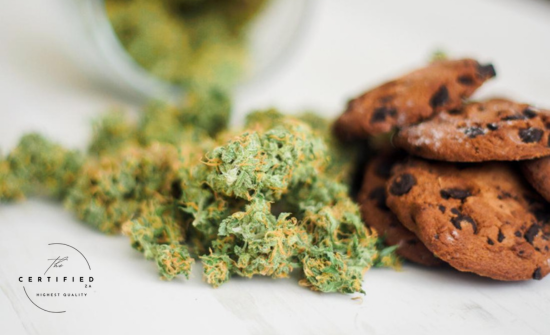

8 Fun Activities With Cannabis

Playing Board Games

Board games are a fantastic way to spend time with friends, and cannabis can make these sessions even more enjoyable. Try scrabble high, you will find more words made up than ever before. Opt for a hybrid strain that provides a balance of relaxation and mental clarity. This combination can help you focus on the game while also keeping the atmosphere light and fun. Whether you’re strategizing in a game of Catan or laughing over a round of Cards Against Humanity, cannabis can add a unique twist to your gaming nights. I love some 30-seconds action with a bunch of weed and munchies everywhere, buddies and some vibes in the background. You have never laughed so hard before.

Watching Comedies

A good laugh and cannabis are like old buddies. The two reconnect at any point in time and they gel like they never were separated. Whether you prefer stand-up specials, sitcoms, or hilarious movies, cannabis can amplify the humour, making every joke funnier and every scene more entertaining. Personally, I have almost lost my gut to laughter and cannabis. Indica strains, known for their relaxing effects, are perfect for this activity as they allow you to kick back, relax, and enjoy the show with heightened amusement. By far one of my go-to activities after a long day.

Listening to Music

Music and cannabis have a long-standing relationship, with many people swearing for the enhanced auditory experience that cannabis provides. Each strain can have its own unique effect on your listening experience too. Sativa strains can elevate your mood and make you more receptive to the nuances in the music, while Indica strains can deepen your appreciation for the rhythm and melodies. Whether you’re listening to your favourite album or discovering new tunes, cannabis can make the experience more immersive and enjoyable. Grab some headphones, smoke a bong – or whatever you’d like – and get some ditchery doo going. Comment below on how that went…

Deep Conversations with Friends

I have shared some of the most meaningful and profound moments of my life with friends and Cannabis. Sharing a joint with friends and diving into deep discussions can be incredibly rewarding. I have buddies that go completely silent after smoking pot, but even they make for the best conversations, often allowing the other person to get off their chest what they need to. Hybrid strains are ideal for these moments, as they keep you relaxed yet engaged, fostering an environment where ideas and thoughts can flow freely. From philosophical debates to sharing personal stories, cannabis can enhance the connection and depth of your conversations. For this activity, I recommend picking the right set of people too. Because sometimes it can go deep… And not be what you wanted.

Creative Pursuits: Painting and Crafting

For the Creatives, cannabis can be a powerful tool to unlock new levels of inspiration and focus. Sativa strains, with their uplifting and energizing effects, can help you tap into your artistic potential, whether you’re painting, drawing, or engaging in any other form of creative expression. I would also add that I have found most creatives to be more introverted, so know yourself and perhaps select a hybrid strain, as Sativas can become too much too. The heightened sensory perception and imaginative thinking brought on by cannabis can lead to unique and unexpected artistic creations. I have hosted many paint and smoke sessions and people love them. It’s amazing what you can do with some Bob Ross in the back and bong and paint brushes in the front.

Baking and Cooking

Cannabis can turn a regular cooking or baking session into a delightful culinary adventure. Hybrid strains that offer a mix of relaxation and focus are perfect for this activity, allowing you to enjoy the process of creating delicious treats while also indulging in the sensory pleasure of tasting your creations. It’s without a doubt that Munchies can also become a thing while doing the cooking and baking thing, aiding in the enjoyment of it all. As there isn’t much better than making your delicious munchies while baked out of your mind. From experimenting with new recipes to perfecting your favourite dishes, cannabis can make your time in the kitchen more enjoyable and rewarding.

8 Fun Activities With Cannabis

Exercise

Some have found that a high workout often helps break mental barriers in the gym and also allows for a more enjoyable expeirence. Sativa strains can provide an energy boost and enhance your focus, making your workout more effective too. On the other hand, Indica strains can help you relax and deepen your stretches, promoting a sense of calm and mindfulness while doing it.  Always start with a low dose to gauge how your body responds to cannabis during physical activities. Some use cannabis in recovery and have found it to be excellent. So perhaps after the gym session and not before. See what works.

In Conclusion

I always remember back to my first time having a real experience with being high and doing something I really enjoyed. Playing video games and laughing at some random thing that happened in the game. I swear that this was for some reason the most funniest and fun thing we did at the time. Eventually, the experiences turned into hiking and beaching on weed. But whatever your favourite pastime activity is, next time give it a go with cannabis that is paired to the occasion. I assure you that it will be a memorable experience.

Let us know some of your favourite things to do in the pastime with friends while high.