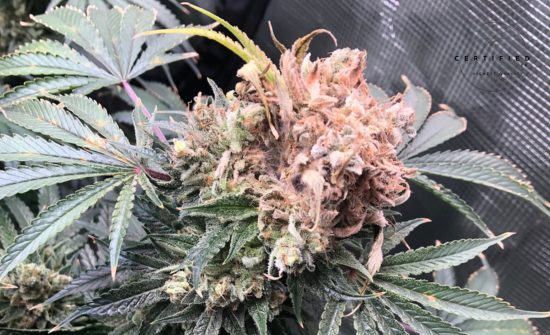
Posted on

Southern Winter: A Strategic Guide for Cannabis Growers

Southern Winter

Winter has a distinct presence across South Africa, ushering in diverse conditions: some regions embrace a damp chill, others endure parched cold, and much of the country experiences dramatically lower temperatures. For cannabis growers, this seasonal shift introduces a unique set of challenges and opportunities. While seemingly controlled environments like indoor setups and greenhouses offer a refuge from the harshest outdoor elements, they are by no means immune to winter’s pervasive influence.

Without meticulous planning and precise environmental management, the very systems designed to protect your plants can inadvertently become sources of unexpected issues, impacting growth, yield, and overall plant health. This guide, informed by comprehensive research into plant physiology, climate patterns, and common cultivation pitfalls, aims to equip you with the knowledge to not just survive, but thrive through the colder months.

South Africa’s Winter Canvas: A Complex Growing Environment

Unlike regions with more uniform seasonal shifts, South Africa’s climate is a mosaic of influences. As highlighted by the study by Van der Walt and Fitchett (2020), defining precise seasonal boundaries here is complex due to our subtropical location, varied altitudes, and the intricate interplay of major atmospheric circulation features with oceanic currents (the warm Agulhas Current along the east coast and the cold Benguela Current along the west).

This inherent regional variability means that a “winter grow” strategy must be highly adaptable. Even when cultivating indoors or in a greenhouse, external ambient temperatures and humidity can subtly yet significantly influence your internal environment, necessitating specific adjustments to maintain optimal conditions for your plants.

Southern Winter

The Indoor/Greenhouse Paradox: Shelter Requires Vigilance

The allure of indoor and greenhouse cultivation during winter is undeniable—it offers the promise of full control over crucial growth parameters. Yet, this control comes with its own set of demands and potential pitfalls if neglected:

  • The Promise of Control: These environments allow you to precisely manipulate temperature, humidity, and lighting, creating a consistent microclimate optimized for cannabis growth. You can provide ideal daytime temperatures 18-26°C and nighttime temperatures 10-18°C, ensuring metabolic processes, photosynthesis, and nutrient uptake remain efficient, in stark contrast to the struggles associated with true outdoor cold-weather cultivation.
  • The Burden of Management:
    • Soaring Energy Costs: Maintaining optimal temperatures indoors when external temperatures plummet demands significant energy for heating. This can drastically increase operational expenses, turning a potentially profitable grow into a financial drain if not carefully managed.
    • Subtle Climatic Influence: Even seemingly sealed environments are not completely isolated. Air exchange with the outside, through ventilation systems or minor structural gaps, means external winter humidity and temperature can influence your internal climate, creating unexpected fluctuations for your environmental controls.
    • Temperature Stress and Growth Impact: While providing warmth protects plants from freezing, inconsistent indoor temperatures (especially significant drops) can still induce plant stress. Such stress can slow plant metabolism, hinder nutrient uptake, and potentially impact the final cannabinoid and terpene profiles. Our previous discussions on cold acclimation, for instance, showed that prolonged cold can decrease overall cannabinoid content in hemp.
    • Light Deficiency: Winter brings shorter days and often cloudier skies, leading to significantly reduced natural light. This necessitates a greater reliance on supplemental artificial lighting to ensure your plants receive adequate Photosynthetically Active Radiation (PAR) for vigorous growth and flowering.
    • Heightened Disease Risk (Especially Bud Rot): This is arguably the most critical winter challenge. If temperature control is inconsistent or humidity management is inadequate, your “controlled” environment can inadvertently become a perfect incubator for fungal pathogens. Bud rot, caused by Botrytis cinerea, thrives in conditions of moderate temperatures (15-22°C coupled with high relative humidity (above 85-90%) and periods of leaf wetness. If your heating struggles or your ventilation is insufficient to combat winter’s inherent humidity, you risk creating precisely these conditions internally, leading to devastating infections.

Optimizing Your Winter Grow: Strategic Planning and Execution

Successful winter cannabis cultivation is a marathon, not a sprint. It demands meticulous planning, proactive management, and constant adaptation.

  1. Strategic Strain Selection:
  • Cold Hardiness & Resilience: While indoor environments mitigate direct cold, selecting strains known for overall resilience to environmental stress can be beneficial. Also, consider genetics with shorter flowering periods if you anticipate challenges maintaining ideal conditions late into the cycle, allowing you to harvest before extreme cold potentially impacts your systems.
  • Disease Resistance: Prioritise strains that are less susceptible to common winter ailments. While bud rot is a primary concern due to its preference for humid microclimates within dense buds, other fungal issues like powdery mildew can also proliferate in less-than-ideal winter indoor conditions.
  1. Precision Environmental Control:
  • Aggressive Humidity Management: This is your paramount defence against many winter ailments, including bud rot. Utilise dehumidifiers and ensure continuous, effective air exchange. Maintain your Vapour Pressure Deficit (VPD) within optimal ranges to promote healthy plant transpiration and prevent condensation on plant surfaces.
  • Consistent Airflow: Implement oscillating fans strategically throughout your grow space to ensure constant, gentle air movement across and within the plant canopy. This is critical for preventing stagnant, humid air pockets that invite fungal growth.
  • Stable Temperature Regimes: While manipulating temperatures can induce specific traits (like purple colouration), avoid prolonged periods within Botrytis‘s preferred temperature range (15-22°C), especially when coupled with high RH. Consistent temperatures benefit overall plant metabolism.
  1. Meticulous Cultural Practices:
  • Thoughtful Nutrient Adjustments: Cooler root zone temperatures, even indoors, can impact nutrient uptake efficiency. While our NPK optimization research provided specific targets for vegetative growth in controlled conditions, remember that colder conditions can reduce metabolism. Monitor your plants closely for signs of nutrient lockout or deficiency. Adjust your feeding schedule to reflect potentially slower growth rates and ensure adequate nutrient availability, perhaps leaning towards more readily available forms of key nutrients.
  • Adaptive Watering Habits: Evaporation rates are significantly lower in cooler, more humid winter environments. Overwatering is a common pitfall. Always check the moisture level of your growing medium before watering, ensuring it’s appropriately dry before re-watering to prevent root issues and excess humidity.
  • Sanitation and Maintenance: Regularly remove any dead or yellowing leaves, fallen debris, and other organic matter from your grow space. This eliminates potential food sources and inoculum for pathogens. Strategic defoliation also improves light penetration and airflow within the canopy.
  1. Harnessing Biological Guardians:
  • Integrate Biofungicides: Consider incorporating registered biological control agents (biofungicides) into your Integrated Pest Management (IPM) program as a proactive measure. These beneficial microbes—such as specific strains of Bacillus and Trichoderma—can colonise plant surfaces, outcompete pathogens, produce antifungal compounds, or even trigger the plant’s Induced Systemic Resistance (ISR). This “priming” of the plant’s immune system helps it to better defend itself against threats like Botrytis cinerea, offering a sustainable and effective layer of protection.
Southern Winter

Cultivating Resilience and Ensuring a Quality Harvest

The South African winter, with its diverse and challenging climatic conditions, presents unique demands for cannabis growers. While indoor and greenhouse environments offer critical control, they require unwavering diligence and precision to prevent them from becoming unwitting incubators for cold-related stresses and devastating diseases like bud rot.

By understanding the intricate interplay of genetics and environment, strategically selecting resilient strains, meticulously managing your environmental conditions, implementing diligent cultural practices, and leveraging the power of biological control agents, you can transform the perceived limitations of winter into an opportunity. This comprehensive, multi-layered approach empowers you to protect your plants, optimize your yields, and ensure your hard-earned efforts culminate in a clean, healthy, and high-quality harvest, even when temperatures outside plummet.

Posted on

CBG, The Original Cannabinoid

CBG, The Original Cannabinoid

We can all agree that most of the spotlight has traditionally shone on two major compounds: the psychoactive THC and the calming CBD. But as science and consumer curiosity evolve, we are beginning to appreciate the vast and complex family of over 100 cannabinoids found in the plant. Among these, one compound stands out for its foundational role and unique potential: Cannabigerol (CBG).

Often called the “stem cell of all cannabinoids,” CBG is a non-intoxicating compound that acts as the chemical precursor from which many other major cannabinoids are synthesised within the cannabis plant. While it’s typically found in smaller quantities in mature plants, its potential therapeutic benefits and unique interactions with our bodies are generating significant excitement.

This guide will provide a deep dive into what CBG is, how it works, its potential benefits as highlighted by recent research, and its unique place within the broader cannabinoid family.

What is CBG, and Why is it Called “The Stem Cell”?

CBG’s story begins with its acidic form, Cannabigerolic Acid (CBGA). Within the growing cannabis plant, CBGA is the first major cannabinoid acid to form. It serves as a crucial building block. As the plant matures, natural enzymes synthesise other cannabinoid acids from CBGA, primarily:

  • Tetrahydrocannabinolic Acid (THCA), which becomes THC when heated.
  • Cannabidiolic Acid (CBDA), which becomes CBD when heated.
  • Cannabichromenic Acid (CBCA), which becomes CBC when heated.

Because CBGA is the starting point for these major compounds, it is often referred to as the “mother” or “stem cell” cannabinoid. Any CBGA that is not converted into these other forms will, upon heating (decarboxylation), become CBG. This is why most finished cannabis flower contains high levels of THC or CBD but only trace amounts of CBG—most of it has already been transformed.

However, breeders are now developing CBG-dominant strains, and extractors are isolating it, allowing us to explore the unique properties of this foundational molecule on its own. And please, let me say this again. I support the isolation of compounds to study their effects. However, I don’t believe in medication through isolation. Full-spectrum medication is what I believe in.

How Does CBG Interact with Our Bodies? A Unique Mechanism

Like other cannabinoids, CBG interacts with our body’s Endocannabinoid System (ECS), the master regulatory network responsible for maintaining internal balance (homeostasis). But CBG’s method of interaction is distinctly different from that of THC or CBD.

  • THC primarily acts by directly binding to and activating the CB1 receptor, producing strong psychoactive effects.
  • CBD has a very low affinity for CB1 and CB2 receptors. As we’ve discussed, one of its key actions is inhibiting the FAAH enzyme, which increases levels of our body’s own anandamide.

CBG, on the other hand, exhibits a broader and more complex range of interactions:

  • It acts as a partial agonist for both CB1 and CB2 receptors, meaning it can bind to them but doesn’t produce the strong intoxicating effect of THC.
  • Crucially, research has shown CBG to be a potent alpha-2-adrenergic receptor (α2-AR) agonist. These receptors are involved in regulating sympathetic nerve activity, which controls processes like heart rate and blood pressure. This unique action is not seen with other major cannabinoids and is a key area of research for potential cardiovascular applications.
  • It also interacts with serotonin receptors (as a 5-HT1A antagonist) and various TRP channels, which are involved in mediating pain, inflammation, and temperature sensation.

This multi-target mechanism means CBG has a unique and versatile potential to influence our physiology in ways that differ from its more famous counterparts. To learn more about CBG, click here to download a Study Review.

CBG, The Original Cannabinoid

Exploring the Potential Benefits of CBG

While human clinical research on CBG is still in its early stages, preclinical studies (in vitro and in animal models) and initial human trials have highlighted several promising areas where CBG may offer therapeutic benefits.

1. Anti-Inflammatory and Antioxidant Properties

Much like CBD, CBG has demonstrated significant anti-inflammatory and antioxidant effects in laboratory settings. It has been shown to reduce the production of inflammatory cytokines and inhibit oxidative stress by neutralising reactive oxygen species (ROS). This action is central to its potential in managing a variety of inflammatory conditions, from skin disorders to inflammatory bowel disease.

2. Potential in Pain Management and Stress Relief

CBG is gaining attention for its analgesic (pain-relieving) properties. A recent double-blind, placebo-controlled clinical trial with healthy adults found that a 20 mg dose of CBG significantly reduced subjective feelings of anxiety and stress compared to a placebo. This human trial corroborates earlier survey data where individuals reported using CBG successfully for managing anxiety.

Furthermore, a pioneering study on horses with chronic osteoarthritis provided compelling evidence. Horses given an oil containing both CBG and CBD showed a significant reduction in pain scores and a decrease in inflammatory markers in their blood, without any adverse side effects. This not only supports CBG’s potential for pain modulation but also highlights its good safety profile in veterinary applications.

3. Neuroprotective Effects

Preclinical research suggests that CBG has neuroprotective qualities, meaning it may help protect nerve cells from damage. This has led to its investigation for neurodegenerative conditions, though this research is still very early.

4. Cardiovascular Health

Because of its unique action as an α2-AR agonist, CBG is being explored for its potential to lower blood pressure. While initial studies in mice have shown hypotensive effects, more research is needed to understand how chronic administration of CBG would affect cardiovascular parameters in humans, especially those with hypertension.

CBG, The Original Cannabinoid

The Bigger Picture: CBG, CBDA, and the Power of the “Entourage”

The recent study on horses is particularly insightful because it didn’t just test one compound. It compared two different formulations: one with CBDA (the acidic precursor to CBD) and another with a combination of CBG and CBD. Both treatments were effective in reducing pain, but the study design underscores a key concept in cannabis science: the “entourage effect.

Just as terpenes can modulate the effects of cannabinoids, different cannabinoids can work together synergistically. Combining CBG and CBD may offer a broader spectrum of action than either compound alone. For example, CBG’s unique receptor interactions combined with CBD’s well-documented anti-inflammatory properties could create a more comprehensive therapeutic effect.

This highlights the value of full-spectrum or broad-spectrum products, which retain a range of cannabinoids and terpenes, versus isolates, which contain only a single compound.

CBG, The Original Cannabinoid

Your Guide to Exploring CBG

As CBG becomes more available in tinctures, edibles, and even flower, here’s how you can approach it mindfully:

  • Start with a Reputable Source: Ensure any CBG product you purchase is from a well-respected Rasta, Budtender shop or healer. Have a conversation with the person about the CBG, and ask about lab testing. Ask about sourcing and extraction. When you get an honest answer, you will be able to make an informed decision.
  • Understand the Dose: As the clinical trial showed, even a relatively low dose of 20 mg can produce noticeable effects on stress and anxiety. Always start low and go slow, especially if you are new to CBG, to gauge your individual response. Trust me on this. My first time smoking CBG flower, I was blown away by how much of a clear mental state it gave me, and it was a little uneasy. Ease yourself into it. 
  • Consider the Goal: Are you looking for stress relief, pain modulation, or general wellness? Your intent can guide your choice between a CBG-isolate product or a broad-spectrum product containing CBG alongside other cannabinoids like CBD.
  • Manage Expectations: While the research is exciting, it’s still emerging. CBG is not a cure-all, and its effects can be subtle and vary from person to person.

CBG, the “stem cell cannabinoid,” is finally stepping into the spotlight, revealing itself as a compound with a unique and promising profile. As science continues to unravel the complex chemistry of cannabis, we are reminded that there is so much more to this plant than just THC and CBD. Exploring compounds like CBG opens a new chapter in our understanding of how cannabis can contribute to health and well-being.

Posted on

Understanding and Combating Bud Rot in Your Cannabis Grow

Bud Rot

For any cannabis cultivator, few discoveries are as disheartening as the appearance of bud rot within a flourishing canopy. What begins as a subtle discolouration can swiftly spread, transforming dense, resinous flowers into a soft, grey, unusable mass. This destructive disease, caused by the pervasive fungal pathogen Botrytis cinerea, represents one of the most significant threats to cannabis crops globally, capable of inflicting substantial losses both before and after harvest.

Understanding this notorious fungus – its intricate life cycle, the environmental conditions it thrives in, and its mechanisms of infection – is the most critical step in safeguarding your valuable crop. This guide, drawing on extensive scientific research, will provide an in-depth look at Botrytis cinerea to help you proactively identify, manage, and ultimately prevent this silent threat in your garden.

What is Botrytis cinerea?

Botrytis cinerea, commonly known as grey mould or bud rot, is a highly successful and ubiquitous necrotrophic fungus. This means it obtains its nutrients by actively killing host plant cells and feeding on the dead tissue. It boasts an incredibly vast host range, capable of infecting over 1,000 plant species, including economically significant agricultural crops like strawberries, grapes, and tomatoes. In cannabis, it is the primary culprit behind bud rot, specifically targeting the dense, moisture-retaining inflorescences.

The fungus is a master of survival, utilising various forms and strategies to persist and spread, making it a persistent challenge in both indoor and outdoor cultivation environments.

The Life Cycle of Bud Rot: From Microscopic Spore to Devastating Decay

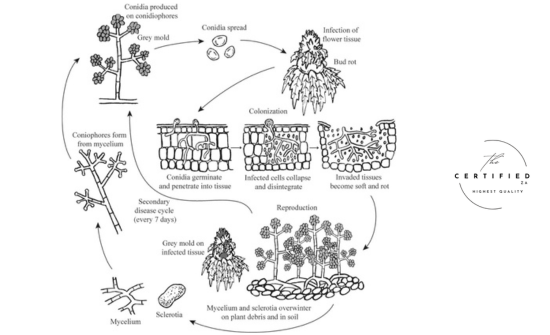
To effectively combat Botrytis, a clear understanding of its operational blueprint is essential. The diagram below illustrates the typical disease cycle, which, under ideal conditions, can progress from initial infection to full bud rot in as little as 3–4 days.

bud rot

A Step-by-Step Breakdown of the Cycle:

  • Inoculum and Spore Landing: The cycle almost always begins with microscopic, airborne spores called conidia. These conidia are the primary means of transmission and are a constant presence in the environment. They can originate from resilient overwintering structures known as sclerotia (hardened masses of fungal mycelium) in soil or plant debris, or from previously infected plant material. Carried by wind or splashing water, these spores land on susceptible parts of the cannabis plant.
  • Spore Germination and Penetration: For the dormant spore to activate and germinate, it requires specific conditions, primarily sustained moisture and an accessible nutrient source. Once hydrated, the spore produces a germ tube that initiates penetration into the plant tissue. In cannabis, the exposed stigmas (pistils) of young flowers often serve as a prime entry point, providing both moisture and a rich nutrient source. The fungus employs a combination of physical pressure and enzymatic activity (releasing cell-wall-degrading enzymes) to breach the plant’s outer defences.
  • Colonisation and Early Infection: Once inside the plant, Botrytis begins to colonise the host tissue. It can initially enter a biotrophic phase, where it lives within the plant without immediately killing cells, often suppressing the plant’s initial defence responses. This can lead to latent infections, where the fungus is present but no visible symptoms are apparent, complicating early detection.
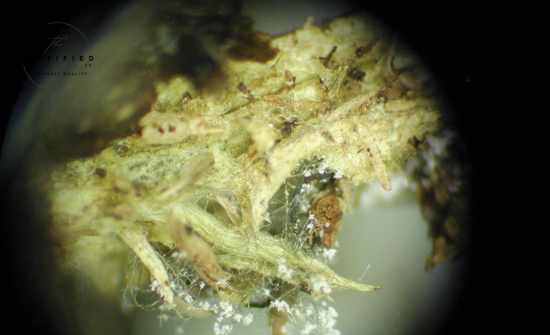
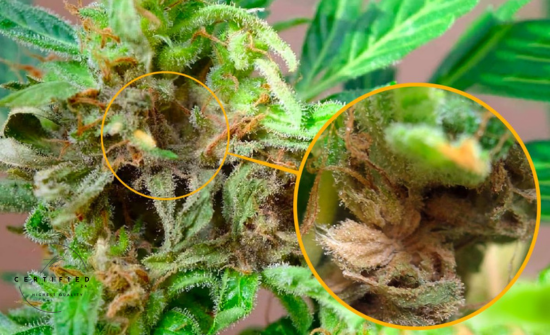
  • Necrosis and Bud Rot Development: Triggered by factors such as tissue maturity (e.g., ripening flowers), senescence, or environmental stress, the fungus switches to its aggressive necrotrophic phase. It begins to secrete phytotoxins (like botryoidal and botcinic acid) and enzymes that actively kill plant cells. This is the stage where the familiar symptoms of bud rot emerge: water-soaked spots, rapid browning and softening of tissues, and the eventual decay and collapse of the entire flower structure.
  • Reproduction and Spore Dissemination: As the fungus consumes the dead tissue, it rapidly produces new conidiophores – structures that bear masses of new conidia. These grey, fuzzy structures emerge from the decaying bud, releasing a fresh wave of spores into the air, ready to infect adjacent buds or other plants. This secondary spread is rapid and devastating.
  • Overwintering: If infected plant material is left behind (e.g., in soil or on surfaces), the fungus can form resilient sclerotia. These dormant structures allow Botrytis to survive harsh conditions, awaiting favourable temperatures and moisture to initiate new infections in subsequent growing seasons.

Environmental and Plant Factors Driving Bud Rot

Botrytis cinerea is not an all-powerful entity; its success hinges on the presence of specific environmental conditions. For growers, manipulating these factors is the most potent line of defence against infection.

  • Humidity is the Prime Culprit: High relative humidity (RH) is the single most critical factor for Botrytis spore germination and mycelial growth. Levels above 85–90% RH are highly conducive to its development. Conversely, maintaining RH below 65% in your grow environment can effectively inhibit the fungus. As discussed in our previous blog on burping, controlling humidity is paramount for preventing mould and maintaining bud quality.
  • Temperature’s Influence: Botrytis is generally a cool-season disease. Its optimal temperature range for growth and sporulation is typically between 15–22°C (59–72°F). While it can survive cooler conditions, its growth is significantly reduced at temperatures above 30°C (86°F). This highlights a balancing act for growers, especially in indoor environments, to find the sweet spot that favors plant growth but inhibits pathogen development.
  • Moisture and Leaf Wetness: Any form of free moisture on the plant surface – whether from condensation (due to sharp temperature drops), guttation (exudation from leaves overnight), or improper watering – provides the essential hydration for spores to germinate and infect. Prolonged periods of leaf wetness are a major risk factor.
  • Air Circulation and VPD: Poor air movement and stagnant conditions create humid microclimates around plants, especially within dense canopies. Maintaining adequate Vapour Pressure Deficit (VPD) is crucial for healthy plant transpiration and for keeping plant surfaces dry. Circulating fans and proper ventilation are essential tools to prevent these humid pockets from forming.
  • Plant Architecture and Density: The physical structure of your cannabis plants directly impacts susceptibility. Strains that produce very large, dense, and compact inflorescences with many overlapping leaves are inherently more susceptible to bud rot. This dense architecture traps moisture and hinders airflow, creating ideal microclimates for the fungus.

The Nuance of Plant Chemistry: Cannabinoids, Terpenes, and Defence

While cannabis plants produce a complex array of secondary metabolites, including cannabinoids and terpenes, their direct role in defending against Botrytis cinerea is a nuanced and ongoing area of research.

Antifungal Properties of Terpenes/Essential Oils: Studies on essential oils derived from other plants (like tea tree oil, oregano, cinnamon, and thyme) have demonstrated strong antifungal activity against Botrytis cinerea in laboratory settings. These terpenes can disrupt fungal cell walls and membranes. While cannabis itself contains many of these same terpenes, direct evidence for their efficacy against Botrytis on the cannabis plant is still being explored. Some research indicates that specific terpene profiles or their emissions from maturing inflorescences might even influence Botrytis development on cannabis, though results are not always consistent.

Cannabinoids and Resistance: Similarly, the direct fungicidal effect of cannabinoids like THC and CBD against Botrytis on the living plant remains a complex area of study. While cannabis plants do possess innate defence responses at the biochemical and molecular levels (involving hormonal pathways like Jasmonic Acid and Ethylene, and Salicylic Acid), no known cannabis resistance genes to Botrytis have been conclusively identified yet. This means relying solely on the plant’s inherent chemical defenses for bud rot prevention is not a primary, reliable strategy.

This understanding underscores that while cannabis is a biorefinery of fascinating compounds, a holistic IPM strategy, rather than just chemical composition, is the most robust defence against Botrytis.

bud rot

Integrated Management: A Proactive, Multi-Layered Defence

Given that Botrytis cinerea is notoriously difficult to eradicate once established, prevention is always the most effective strategy. A comprehensive and proactive Integrated Pest Management (IPM) program is essential. This combines various approaches to create an environment where Botrytis simply cannot thrive.

Cultural Practices: These focus on optimising the grow environment and plant health:

  • Strategic Strain Selection: Prioritise genetics that naturally exhibit a more open, less compact bud structure, which is less conducive to moisture retention.
  • Meticulous Sanitation: Regularly remove all dead or dying plant material, fallen leaves, and debris from your grow space. This eliminates potential food sources and inoculum for the fungus.
  • Targeted Defoliation and Pruning: Thoughtful defoliation, especially in the lower and inner canopy, improves airflow, reduces humidity pockets, and allows better light penetration. Pruning should be clean to avoid creating open wounds.
  • Optimal Plant Density: Avoid overcrowding plants in your grow space. Proper spacing significantly enhances air circulation and light exposure throughout the canopy.
  • Nutrient Management: While direct links between specific nutrients and Botrytis resistance in cannabis can be conflicting, maintaining overall plant health through balanced nutrition (avoiding extremes, as discussed in our NPK optimisation guide) inherently boosts a plant’s resilience to stress and pathogens.

Environmental Modification: Precise control of atmospheric conditions is paramount:

  • Rigorous Humidity Control: This is your primary defence. Utilise dehumidifiers, proper exhaust, and oscillating fans to consistently keep RH below 65% during flowering, and avoid sharp RH spikes.
  • Optimised Temperature Control: Maintain temperatures within the optimal range for cannabis growth while being mindful of night-time drops that can lead to condensation and conditions favourable for Botrytis.
  • Enhanced Airflow: Ensure continuous, gentle air movement across and within the canopy. This prevents stagnant air pockets and promotes rapid drying of any moisture on plant surfaces.
  • Biological Control Agents (Biofungicides): This approach offers a powerful, reduced-risk alternative or supplement to other strategies:
  • Harnessing Beneficial Microbes: Biofungicides utilise specific strains of beneficial bacteria (like Bacillus and Pseudomonas) and fungi (like Trichoderma) that can naturally suppress Botrytis.
  • Mechanisms of Action: These agents work through various means: by competing with Botrytis for space and nutrients, by producing antifungal compounds that directly inhibit the pathogen, or by triggering the plant’s Induced Systemic Resistance (ISR), essentially “priming” the plant’s own defence mechanisms to better fight off invaders. Several such products are approved for use on cannabis in various regions, offering a clean, effective layer of protection.

Post-Harvest Management: The Final Stand: The battle against bud rot extends beyond harvest.

  • Proper Drying Techniques: Your drying space must have excellent airflow and be maintained at appropriate temperature and humidity levels to dry buds efficiently and thoroughly. This minimises the window for Botrytis to proliferate.
  • Controlled Curing: As emphasised in our burping discussions, curing must be done in a controlled environment with proper burping or humidity control packs (like Boveda) to prevent moisture accumulation, which can reactivate dormant mould spores and lead to costly product recalls.
  • Rigorous Inspection: Inspect every bud during trimming and curing. Any sign of rot, no matter how small, must be immediately removed and discarded to prevent it from spreading to healthy material.
bud rot

Cultivating Resilience and Protecting Your Harvest

The threat of Botrytis cinerea is a constant challenge for cannabis cultivators, capable of undermining months of hard work. However, armed with scientific knowledge and a proactive mindset, it is a challenge that can be overcome. The key lies not in a single solution, but in a holistic and integrated IPM strategy.

By intentionally selecting resistant strains, meticulously controlling your environment, implementing diligent cultural practices, and leveraging the power of biological controls, you transform your grow space into an inhospitable fortress against Botrytis. This multi-layered defence, coupled with unwavering vigilance from propagation to post-harvest, empowers you to protect your plants and ensure your efforts culminate in the clean, healthy, and high-quality buds you aspire to cultivate.

Posted on

Anthocyanins: The Science and Art of Purple Cannabis

anthocyanins

In the world of cannabis cultivation, few things capture the eye like a canopy of deep purple flowers. For decades, these vibrant hues have been a hallmark of “exotic” or “top-shelf” genetics, often associated with unique aromas and sought-after effects. But what actually makes cannabis turn purple? Is it just a genetic lottery, or can growers influence this colourful transformation?

The answer, like much in horticulture, is a fascinating blend of genetics and environment. The purple colour isn’t a gimmick; it’s the visual expression of a specific class of compounds called anthocyanins. Understanding these molecules and the factors that trigger their production can empower you to cultivate visually stunning cannabis with purpose.

Let’s dive into the science behind the purple, how to encourage its expression, and what it truly means for the quality of your harvest.

What Are Anthocyanins, and Why Do Plants Make Them?

Anthocyanins are a type of water-soluble pigment belonging to the flavonoid family. They are the same compounds responsible for the rich red, blue, and purple colours found in many other plants, such as blueberries, raspberries, and black rice.

In plants, anthocyanins serve a crucial purpose. They are primarily protective compounds, produced in response to environmental stressors. Their functions include:

  • Photoprotection: Shielding the plant’s sensitive tissues from damage caused by excess UV or visible light.
  • Temperature Regulation: Helping the plant cope with cold temperatures.
  • Attracting Pollinators: Creating vibrant colours in flowers to attract bees and other pollinators.
  • Antioxidant Power: Functioning as powerful antioxidants that neutralise harmful free radicals, protecting the plant’s cells from damage.
anthocyanins

This last point is particularly exciting. The presence of these antioxidants is what makes so many purple fruits and vegetables “superfoods.” Remarkably, recent research by Bassolino et al. (2023) has not only identified the primary anthocyanin in cannabis as cyanidin-3-rutinoside (keracyanin) but also found that its concentration in some purple cannabis tissues can be significantly higher than in well-known antioxidant-rich berries. This positions purple cannabis not just as aesthetically pleasing, but as a potentially valuable source of these beneficial compounds.

The Two Pillars of Purple: Genetics and Environment

For a cannabis plant to turn purple, two conditions must be met: it must have the genetic potential to do so, and it must be exposed to the right environmental triggers to express that potential.

1. Genetics: The Blueprint for Colour

This is the most critical factor, and it cannot be overstated: a cannabis plant that does not carry the genes for anthocyanin production will never turn purple, no matter what you do. The ability to produce these pigments is written into the plant’s DNA.

  • Strain Selection is Key: If your goal is to grow purple cannabis, you must start with genetics known for this trait. Strains like Granddaddy Purple, Purple Kush, Purple Urkle, and many modern hybrids have been specifically bred over generations to reliably produce anthocyanins.
  • The Science Behind the Trait: Researchers are actively identifying the specific genes and transcription factors (with names like MYB, bHLH, and TTG1) that act as molecular switches, turning on the anthocyanin production pathway in cannabis. This genetic understanding confirms that the purple phenotype is a heritable, predictable trait when the right variety is chosen.

2. Environment: The Trigger for Expression

Once you have the right genetics, you can use environmental cues to encourage the plant to express its purple potential. The most effective and well-documented trigger for anthocyanin production in cannabis is cold temperature.

  • How Cold Works: As the UW-Madison research poster demonstrates, cooler temperatures, particularly during the late flowering stage, signal to the plant that winter is approaching. In response, the plant may slow its chlorophyll production (the green pigment responsible for photosynthesis) and increase its production of protective anthocyanin pigments. This change is often most pronounced in the final 2-3 weeks of flowering. As the green chlorophyll fades, the underlying purple anthocyanins become strikingly visible.
  • Practical Application: To encourage purple colouration, growers can introduce a significant temperature drop between the “lights on” and “lights off” periods. Dropping nighttime temperatures to a range of 10-15°C can often trigger a strong colour change in genetically predisposed strains.
  • A Word of Caution: This must be done carefully. Do not shock your plants with sudden, drastic temperature drops, and never let them freeze.- I am sure some growers are thinking, ‘but this is how I go about it with no issues.’ By all means, to each their own. Freezing temperatures will damage plant cells, harm trichomes, reduce yield, and negatively impact overall quality. The goal is to simulate cool autumn nights, not a hard winter frost. Remember that this cold stress can also slightly slow down the final swelling of the buds, so that it can be a trade-off between maximising colour and maximising bulk.

While other stressors like specific nutrient deficiencies (e.g., phosphorus) or pH fluctuations can sometimes induce colour changes, these are signs of poor plant health. Manipulating temperature is the safest and most effective environmental tool for promoting anthocyanin expression in healthy plants.

anthocyanins

Busting a Common Myth: Purple Does Not Equal Potent

A persistent belief in cannabis culture is that purple weed is inherently stronger or more potent. This is a myth.

The biochemical pathways that produce cannabinoids (like THC and CBD) are completely separate from the pathway that produces anthocyanins. A plant’s genetic potential for high THC content has no direct link to its genetic potential for purple colouration. You can have a vibrant purple plant with moderate THC, and a green plant with exceptionally high THC.

Likewise, the “grape” or “berry” aromas often associated with purple strains are not caused by the anthocyanins themselves (which are largely odourless and tasteless). These aromas come from the plant’s terpene profile, a distinct set of aromatic compounds. While breeders have often selected for strains that have both purple colours and berry-like terpenes, these are two separate traits.

anthocyanins

The Grower’s Takeaway: A Holistic Approach to Colour

If you want to cultivate visually stunning purple cannabis, the path is clear:

  1. Start with Genetics: Your most important decision is choosing a strain with a proven history of purple phenotypes.
  2. Use Temperature as a Tool: In the final weeks of flowering, introduce cooler nighttime temperatures gradually and carefully to encourage anthocyanin expression.
  3. Manage Expectations: Understand that you are cultivating for aesthetics and a higher antioxidant content, not necessarily higher THC potency.
  4. Prioritise Overall Plant Health: Never sacrifice the fundamental health of your plant for colour. A robust, healthy green plant will always produce a better overall harvest than a stunted, overly stressed purple one.

Cultivating cannabis with deep, rich colours is a rewarding experience that blends the science of genetics and environmental control with the art of horticulture. By understanding the role of anthocyanins and the factors that influence them, you can intentionally guide your plants to express their full, colourful potential.

Posted on

Anandamide: Unlocking the “Bliss Molecule”

Anandamide: Unlocking the "Bliss Molecule"

In the vast landscape of the human body’s biochemistry, few molecules have as intriguing a name as anandamide. Derived from the Sanskrit word “ananda,” meaning “internal bliss” or “joy,” this compound is a cornerstone of a critical regulatory network known as the Endocannabinoid System (ECS). While the ECS gained fame through its connection to cannabis, understanding anandamide itself is key to unlocking the science behind our body’s sense of balance, well-being, and how it responds to cannabinoids like THC and CBD.

This post will dive into what anandamide is, how it functions within your body, and its intricate relationship with cannabis, from the plant’s psychoactive effects to its therapeutic potential.

What is Anandamide?

Anandamide (AEA) is an endocannabinoid, meaning it’s a cannabinoid-like molecule produced inside your body. Discovered in the early 1990s, it was one of the first endogenous “keys” found that fit the “locks” of the cannabinoid receptors, which had just been identified as the primary targets of THC.

Anandamide was the proof. It was the body’s own, internally produced molecule that perfectly fit into the CB1 receptor lock. This confirmed that the cannabinoid receptors weren’t just for cannabis; they were part of a vast, pre-existing communication network essential for our health – The Endocannabinoid System.

So, when we say:

“Anandamide (AEA) was one of the first endogenous ‘keys’ found that fit the ‘locks’ of the cannabinoid receptors, which had just been identified as the primary targets of THC.”

We are saying this:

Scientists first found the “lock” (the CB1 receptor) by seeing where THC from cannabis was binding in the brain.

They correctly assumed our bodies must have a natural reason for these locks.

They then discovered Anandamide – the first internally-produced “key” that our body makes to regulate itself by unlocking these same receptors.

Anandamide: Unlocking the "Bliss Molecule"

Unlike traditional neurotransmitters that are stored in vesicles and released when needed, anandamide is synthesised on demand. When your body senses a need to restore balance, whether in response to stress, pain, or inflammation, your cells produce and release anandamide. It has a short half-life and is quickly broken down by an enzyme called Fatty Acid Amide Hydrolase (FAAH). This rapid synthesis and degradation allow for precise, localised control over various physiological processes.

The Role of Anandamide and the Endocannabinoid System

Anandamide and the broader ECS act as a master regulatory system, helping to maintain homeostasis (internal balance). Research has shown it plays a vital role in modulating a wide range of functions:

  • Mood and Anxiety: Studies have consistently linked higher anandamide levels with reduced anxiety. Research in both animal models and humans has shown that elevating anandamide levels, for instance through exercise or by inhibiting the FAAH enzyme, produces anxiolytic (anxiety-reducing) effects. In fact, some individuals with naturally higher anandamide levels (due to a genetic variation in the FAAH enzyme) self-report lower anxiety.
  • Pain and Inflammation: The ECS is deeply involved in modulating pain signals and inflammatory responses. Anandamide can help regulate these processes, which is why cannabinoid-based therapies are being explored for pain management and inflammatory conditions.
  • Reward and Motivation: The ECS, including anandamide, plays a modulatory role in the brain’s reward circuitry. It can influence how we experience pleasure and motivation, a factor that is central to research on addiction and substance use disorders.
  • Sleep: As some of the provided research highlights, anandamide is also implicated in sleep regulation. Studies have shown that administration of anandamide can induce sleep and increase slow-wave (deep) sleep, possibly by influencing adenosine levels, another key sleep-promoting molecule.
  • Appetite and Metabolism: Anandamide is known to stimulate appetite, a well-known effect also associated with THC.
Anandamide: Unlocking the "Bliss Molecule"

The Connection to Cannabis: How THC and CBD Interact with Anandamide

The cannabis plant produces phytocannabinoids (plant-based cannabinoids) that interact with our ECS, often by mimicking or influencing anandamide.

  • THC and Anandamide: THC, the main psychoactive component of cannabis, is a partial agonist of the CB1 receptor – the same receptor that anandamide activates. Essentially, THC fits into the same “lock” as anandamide, but it does so more powerfully and for a longer duration, as it’s not broken down as quickly. This strong activation of CB1 receptors, particularly in the brain, is what produces the euphoric “high” and other effects associated with cannabis, such as increased appetite and altered perception. Chronic, heavy cannabis use can lead to the brain downregulating its CB1 receptors to compensate for this constant stimulation. In turn, this can lead to lower anandamide levels in some individuals, a finding that is particularly relevant in studies of cannabis use disorder.
  • CBD and Anandamide: Unlike THC, CBD does not bind strongly to CB1 receptors and is non-intoxicating. Instead, one of its primary mechanisms of action is to inhibit the FAAH enzyme, the very enzyme that breaks down anandamide. By slowing down FAAH’s activity, CBD can lead to an increase in your body’s own anandamide levels. This is a crucial distinction: instead of directly activating the receptors like THC, CBD helps boost your natural “bliss molecule.”

This FAAH-inhibiting action is a key hypothesis behind many of CBD’s potential therapeutic benefits. For example, research has explored CBD’s role in treating psychiatric disorders. A recent clinical trial investigated this very mechanism in individuals with cannabis use disorder, looking at how CBD administration affects plasma anandamide levels. The study found that an 800 mg dose of CBD appeared to protect against reductions in anandamide levels that were observed in the placebo group during a cannabis cessation attempt. By potentially increasing anandamide signalling, CBD may help alleviate symptoms of anxiety, psychosis, and withdrawal, offering a promising avenue for treatment.

Anandamide: Unlocking the "Bliss Molecule"

The Takeaway: A Molecule of Balance

Anandamide is more than just our body’s “bliss molecule”; it is a fundamental regulator of our physiological and psychological well-being. It represents the delicate balance our system constantly strives to maintain. The cannabis plant, through compounds like THC and CBD, offers us a way to directly interact with this system. THC acts as a powerful external key, while CBD works more subtly, by helping our own natural key, anandamide, stay in the lock a little longer.

Understanding the role of anandamide deepens our appreciation for both the complexity of our own biology and the profound ways in which cannabis can influence it. Whether you’re a medical user seeking relief or a recreational consumer exploring different experiences, recognising the interplay between anandamide, THC, and CBD can empower you to make more informed and mindful choices on your cannabis journey.

Posted on

Is Your Cannabis Consumption Healthy?

cannabis Consumption

In the vibrant, evolving world of cannabis, we often celebrate its incredible versatility – from diverse strains delivering unique experiences to a myriad of consumption methods. Yet, amidst this growth and excitement, there’s a simple, sometimes uncomfortable question that deserves our thoughtful attention: Is your cannabis consumption healthy?

For some, this question might feel intrusive or even offensive. Others might be too shy to answer, or perhaps hold an understandable pride in their self-control. Within our community, a common sentiment is that because cannabis, unlike many substances, cannot be fatally overdosed on, it’s inherently harmless, even in excess. But is that truly the case? Just because you can’t die from cannabis doesn’t necessarily mean limitless consumption is always beneficial for your well-being.

This isn’t a judgment, but an invitation for a candid conversation, coming from a place of genuine care and honesty towards our shared community. Cannabis is indeed an amazing plant, and there’s nothing inherently wrong with enjoying it as much as you desire. However, understanding the when and where of your consumption, and how it aligns with your overall health and goals, is profoundly important.

cannabis consumption

Beyond the “No Overdose” Myth: Defining Healthy Consumption

The fact that cannabis lacks the acute toxicity of many pharmaceuticals or illicit drugs is a significant advantage, often cited as a cornerstone of its safety profile. However, conflating “non-lethal” with “always healthy in any quantity” can create a false sense of security. Healthy consumption isn’t just about avoiding immediate physical harm; it’s about fostering holistic well-being – physical, mental, and social.

To approach this question with nuance, we need to consider several factors that influence how cannabis impacts us:

The Power of Potency: Modern Cannabis is Stronger

Gone are the days of predominantly low-THC flower. Today’s market offers incredibly potent products:

  • High-THC Flower: Strains can now boast THC levels of 20% or even higher, a significant jump from historical averages.
  • Concentrates: Products like BHO, rosin, and diamonds can concentrate THC levels to 70-95% or more. As we’ve explored previously, these extracts are a direct result of advanced processing methods designed to isolate and concentrate cannabinoids and terpenes.

While these high potencies offer profound effects for medical users or experienced recreational consumers, they also demand increased mindfulness. What might have been a moderate dose a decade ago could be a very strong dose today. Consuming such high concentrations frequently without considering individual tolerance can lead to:

  • Increased Psychoactive Effects: Potent THC can intensify experiences, potentially leading to anxiety or paranoia in sensitive individuals, as discussed in our “Choosing the Right Strain” guide.
  • Faster Tolerance Buildup: Regular consumption of high-potency products can lead to a quicker development of tolerance, meaning you need more to achieve the same effects. This can inadvertently increase consumption frequency and quantity.
cannabis consumption

The Method Matters: How You Consume

While we’ve discussed the nuances of different extract types (solvent vs. solventless, the benefits of purity), the method of consumption also plays a role in your health profile:

  • Inhalation (Smoking/Vaping): While smoking cannabis doesn’t carry the same carcinogen risk as tobacco, any form of combustion can introduce respiratory irritants. Vaporizing, on the other hand, is generally considered a cleaner inhalation method as it heats cannabis to produce vapor without burning plant material.
  • Edibles & Topicals: These methods bypass the respiratory system entirely. Edibles, which rely on the body’s digestive system, offer a different onset and duration, while topicals work locally with the skin’s endocannabinoid system without systemic psychoactivity. Choosing a method aligned with your health preferences is part of mindful consumption.

Your Unique Biology: It’s All About “You”

As we emphasized in “Choosing the Right Strain for Your Unique Experience,” the effects of cannabis are profoundly personal. Your individual endocannabinoid system, genetics, metabolism, and even your current psychological state (your “set”) influence how you react. This means:

  • Individual Responses Vary: What’s relaxing for one person might be energizing for another. What helps one person sleep might keep another awake. Healthy consumption requires self-awareness about your unique responses.
  • Tolerance and Dependence: While not all users develop dependence, consistent, high-frequency use can lead to physical and psychological dependence. Understanding this potential and regularly assessing your relationship with cannabis is crucial for maintaining control.
cannabis consumption

Cultivating a Healthy Relationship with Cannabis

This conversation isn’t about shaming or restricting personal choice. It’s about empowering our community with knowledge and encouraging a deeper, more mindful relationship with this remarkable plant. Healthy cannabis consumption is an active, ongoing process of self-awareness and informed decision-making.

Here are a few steps to cultivate a healthier relationship with your cannabis:

  1. Consume with Intent: Before each session, ask yourself: Why am I doing this? What experience am I seeking?
  2. Start Low, Go Slow: Especially with new, high-potency products. This allows you to gauge your individual response and find your optimal dose.
  3. Listen to Your Body and Mind: Pay attention not just to the immediate “high,” but to how cannabis impacts your mood, energy levels, sleep, and overall daily functioning in the hours and days after consumption.
  4. Regular Self-Assessment: Periodically reflect on your consumption habits. Is it enhancing your life? Is it becoming a routine that feels less like a choice and more like a necessity?
  5. Diversify Your Experience: Explore different strains with varied cannabinoid and terpene profiles, and experiment with various consumption methods. This can help prevent tolerance buildup and allow you to find what genuinely supports your well-being.
  6. Seek Professional Guidance: If you have concerns about your cannabis consumption, or are using cannabis for specific medicinal purposes, consulting with a healthcare professional is always a wise and responsible step.
cannabis consumption

Cannabis has incredible potential, and when approached with respect, knowledge, and self-awareness, it can enrich our lives. By engaging in this honest conversation, we strengthen our community and foster a culture of mindful, healthy cannabis consumption for everyone.

Posted on

The Art of Intentional Cultivation

Intentional cultivation

Every successful cannabis harvest begins long before a seed sprouts. It starts with a clear vision: what do you want your finished product to achieve? The remarkable versatility of the Cannabis sativa plant means it can be cultivated for a myriad of purposes – from the connoisseur’s prized flower to the high-potency material for extracts, the functional base for edibles, or simply the sheer joy of nurturing a living plant.

Gone are the days when a single growing approach sufficed for every ambition. To truly unlock the plant’s potential and meet your specific goals, your cultivation strategy – from strain selection to post-harvest processing – must be meticulously aligned with your ultimate application. Let’s delve into how different end goals shape your decisions in the grow space, informed by the latest scientific understanding of cannabis chemistry and breeding.

Seedsman - Cannabis Super Store

The Foundation of Purpose: Understanding Cannabis “Chemovars”

Traditional cannabis labels like “Indica,” “Sativa,” and “Hybrid” offer a general idea of plant structure or a strain’s lineage, but they fall short in predicting specific effects. Modern understanding points to the chemical profile as the true driver of experience. Scientists often use the term “chemovar” (chemical variety) to classify cannabis based on its unique blend of compounds, particularly:

  1. Cannabinoids: The most famous compounds, like THC (for psychoactivity) and CBD (for potential therapeutic benefits). But also the vast array of minor cannabinoids (e.g., CBG, CBN, THCV) that contribute to the plant’s complex effects and are gaining significant research interest, as highlighted in studies on topical cannabis applications. The ratio and total concentration of these compounds in a strain are paramount.
  2. Terpenes: These aromatic molecules are responsible for the distinct scents and flavours of cannabis – think pine, citrus, earth, or sweet notes. Beyond aroma, terpenes are pharmacologically active, possessing properties like anti-inflammatory, analgesic, or sedative effects. Crucially, they interact with cannabinoids to create the “entourage effect,” a synergy that can profoundly shape the overall experience. Research using advanced techniques like headspace GC-MS now provides a deeper insight into these often-subtle aromatic undertones and their correlations with cannabinoid profiles.

Historically, cannabis breeders selected strains based on desirable aromas, inadvertently shaping their terpene biosynthesis. Just as master brewers select yeast strains for specific flavours and fermentation profiles, cannabis cultivators increasingly select specific chemovars for their precise chemical output. We wrote about this last week and in-depth in the past. Check out those blogs here.

Tailoring Your Grow: Strategies for Different Applications

Once you define your end goal, your cultivation pathway becomes clearer:

1. Growing for Top-Tier Flower (Recreational & Medicinal Enjoyment)

When the goal is premium flower for smoking or vaporising, “bag appeal” (visual aesthetics) and “terpene expression” are paramount.

  • Strain Selection:
    • Terpene Prowess: Prioritise strains known for rich, complex terpene profiles. These are what deliver the nuanced aromas, distinct flavours, and contribute significantly to the overall experience through the entourage effect. Look for genetics that consistently express high levels of desirable terpenes.
    • Desired Effects: Choose chemovars with cannabinoid ratios and terpene profiles that align with the intended experience—be it uplifting and creative (e.g., high Limonene), deeply relaxing (e.g., high Myrcene), or balanced for a functional effect.
    • Aesthetics & Structure: Select strains genetically predisposed to dense bud structure, vibrant colours, and abundant trichome coverage, as these contribute directly to visual appeal and resin content.
  • Cultivation & Post-Harvest:
    • Precise Environmental Control: Maintaining optimal temperature, humidity, and airflow throughout the flowering stage is critical for maximising terpene production and preventing mould. This is an ongoing battle, especially in variable climates.
    • Peak Harvest Timing: Harvest at the precise moment when trichomes indicate peak maturity for desired cannabinoids and terpenes (e.g., majority cloudy with some amber), as this window maximises the target profile.
    • Meticulous Drying & Curing: As previously discussed, proper drying and slow curing are non-negotiable for preserving delicate terpenes, preventing degradation of cannabinoids, and developing a smooth, flavorful final product. Burping jars correctly or utilising humidity control packs is essential for optimal curing.
intentional cultivation

2. Growing for Concentrates (Extracts)

Cultivating for extracts shifts the focus from the plant’s physical form to maximising the quantity and quality of its resin (trichomes), which will be separated and refined into products like rosin, shatter, wax, or diamonds.

  • Strain Selection:
    • Trichome Abundance & Quality: The primary criteria here are strains known for producing copious amounts of large, easily rupturable trichomes. Some genetics are simply better “resin producers.”
    • Target Cannabinoid/Terpene Concentration: Different extracts might favour specific cannabinoid profiles (e.g., high THCA for diamonds, diverse cannabinoids for full-spectrum extracts). Terpene concentration within the trichomes is also crucial, especially for “live” extracts that prioritize fresh aroma.
    • Extraction Efficiency: Consider how well the trichomes detach from the plant material, which can vary by strain and influence yield with methods like ice water extraction or dry sifting.
  • Cultivation & Post-Harvest:
    • Cleanliness: Maintaining an impeccably clean grow environment is paramount. Any contaminants (dust, pest residues) on the plant will end up in the extract, compromising purity.
    • Harvest Timing: For “live” extracts (like live rosin or live resin), plants are often harvested slightly earlier than for smoking flower and immediately flash-frozen to preserve volatile terpenes at their freshest. For dry extracts, efficient drying of resinous material is key.
    • Targeted Drying: If drying for extracts, methods prioritise rapid moisture removal from the trichomes while preserving them, rather than the slow, nuanced cure of smoking flower.

3. Growing for Edibles

Cultivating for edibles prioritises total cannabinoid yield that can be efficiently infused into food products. While terpenes can contribute to flavour, they are often secondary to raw cannabinoid quantity.

  • Strain Selection:
    • Overall Cannabinoid Mass: Focus on strains known for high cannabinoid production throughout the entire plant, including trim and smaller buds, not just the large top colas.
    • Desired Cannabinoid: Whether you want THC-dominant or CBD-dominant edibles will guide your choice.
    • Ease of Decarboxylation: While most cannabis will decarboxylate with heat, selecting strains that convert efficiently is beneficial.
  • Cultivation & Post-Harvest:
    • Full Plant Utilisation: This goal allows for efficient use of a wider range of plant material – not just premium buds, but sugar leaves and smaller nugs – all of which contain valuable cannabinoids.
    • Decarboxylation: A controlled heating process is crucial to convert the raw, acidic cannabinoids (THCA, CBDA) into their active, non-acidic forms (THC, CBD) for maximum effect in edibles. This can be done post-drying or as a separate step before infusion.
    • Batch Consistency: For commercial edible production, consistent cannabinoid content across batches is essential, requiring precise measurement and processing protocols.
intentional cultivation

4. Growing for the Love of It (Hobbyist/Learning)

For many home growers, the primary motivation is the intrinsic reward of cultivation itself—the joy of watching a plant grow, the learning process, and the satisfaction of producing their own cannabis, regardless of commercial metrics.

  • Strain Selection:
    • Curiosity & Preference: Choose strains based on appealing aromas, unique growth characteristics, or simply the desire to try something new.
    • Ease of Growth: For beginners, selecting robust and forgiving strains allows for a smoother learning curve, building confidence without the frustration of finicky genetics.
    • Novelty & Experimentation: This goal encourages exploring unusual chemovars or trying experimental techniques without the pressure of a bottom line.
  • Cultivation & Post-Harvest:
    • Emphasis on Learning: Every grow is an opportunity to experiment with different techniques (e.g., nutrient adjustments, training methods) and observe plant responses firsthand.
  • Process Over Perfection: While striving for quality, the focus remains on enjoying the journey of cultivation, understanding the plant’s life cycle, and the satisfaction of producing your own cannabis, regardless of achieving peak commercial yield or potency.
Seedsman - Cannabis Super Store

Your Compass for the Cannabis Garden

Defining your cannabis cultivation goals upfront is the most powerful tool in your grower’s arsenal. By understanding the distinct demands of each application – from the precise chemical profiles for top-tier flower or extracts to the efficient cannabinoid yields for edibles, or the sheer joy of hobbyist growing – you can make informed decisions from strain selection to final product. Leverage lab testing to understand the true chemical signature of your chosen genetics, and embrace intentional cultivation to achieve consistently rewarding results.

Posted on

Your Cannabis Compass: Navigating Strains Beyond Indica and Sativa

indica and sativa
Audio File will be added ASAP

Stepping into the world of cannabis can be an exciting adventure, but it’s also one filled with choices. Rows of jars display strains with intriguing names, each promising a unique experience. For many, the initial instinct is to ask, “Is this Indica, Sativa, or Hybrid?” While these categories are a common starting point, they represent just one piece of a much larger, more fascinating puzzle.

The truth is, predicting your cannabis experience is far more personal and complex than relying solely on the plant’s physical structure or traditional classifications. Scientific research increasingly shows that the effects you feel are driven primarily by the plant’s unique chemical profile and how that profile interacts with you, your body, your mind, and your environment.

Let’s go beyond the labels and explore the factors that truly influence your cannabis journey, giving you the tools to make more informed and satisfying choices.

The Chemical Signature: Cannabinoids, Terpenes, and the Entourage Effect

Think of each cannabis strain as having a distinct chemical signature, defined mainly by two key groups of compounds found in its resinous trichomes:

  1. Cannabinoids: These are the headline compounds cannabis is most known for.
    • THC (Tetrahydrocannabinol): The primary psychoactive compound, responsible for the euphoric or “high” sensation. Its concentration is often a major factor in a strain’s perceived potency.
    • CBD (Cannabidiol): Non-intoxicating, CBD is widely researched for its potential therapeutic properties, often associated with calming, anti-inflammatory, and pain-relieving effects.
    • Minor Cannabinoids: Beyond THC and CBD, over a hundred other cannabinoids exist, like CBG (Cannabigerol) and CBN (Cannabinol). Research is ongoing to understand their specific roles and potential benefits, including areas like appetite stimulation or anti-inflammatory action, as explored in studies on topical cannabis applications for skin conditions. The specific ratio and total concentration of all these cannabinoids in a strain significantly shape its overall impact.
  2. Terpenes: These fragrant molecules give cannabis its diverse aromas and flavours – from citrusy notes to earthy, piney, or sweet profiles. But terpenes do more than just smell good; they are also believed to interact synergistically with cannabinoids and your body’s own endocannabinoid system. This interaction, known as the entourage effect, suggests that the specific combination of terpenes and cannabinoids working together can modulate and enhance the overall effects, creating a more nuanced experience than any single compound could provide alone.
indica and sativa

The “Indica vs. Sativa vs. Hybrid” labels often loosely correlate with certain cannabinoid and terpene profiles or growth patterns, but they are not definitive predictors of effect for every individual or every batch of a strain. Focusing on the actual chemical profile is more accurate. I have written about Chemovars in the past and how the lingo of Terpenese has taken over some parts of the world to the point that you won’t find strain names on the products but simply their chemovar expressions.

The Human Equation: You, Your Mindset, and Your Surroundings

Your personal cannabis experience isn’t just about the plant’s chemistry; it’s a dynamic interaction involving you and your environment:

  1. Your Unique Physiology: Your body’s endocannabinoid system, genetics, metabolism, past cannabis use, and overall health all play a role in how you react to cannabinoids and terpenes. What provides deep relaxation for one person might be stimulating for another.
  2. Your Intent (Why): What is your goal for this cannabis experience? Are you seeking relief from discomfort (like pain or anxiety), looking for creative inspiration, hoping to unwind and relax, or preparing for sleep? Your purpose helps guide your selection.
  3. Your Set (Mindset): Your current mood, expectations, and psychological state are powerful influencers. Approaching cannabis with a positive mindset in a comfortable state can enhance desired effects, while stress or anxiety might amplify potential negative reactions, especially with higher THC strains.
  4. Your Setting (Environment): Where and with whom are you consuming? The same strain enjoyed alone at home might feel very different at a concert or a social gathering. Your physical and social surroundings shape the experience.
indica and sativa

Understanding that your experience is a blend of the plant’s chemistry and these personal factors is key to making a more mindful choice. Once you actually think about these things… More of those random anxiety attacks after the weed might make more sense. It’s important to have an open conversation with your Budtender, too. Recommendations can truly make or break your experience, for budtenders, knowing what state of mind, the intent and vibes a consumer wants to achieve helps so much more.

Navigating the Options: A Mindful Selection Process

Moving beyond rigid categories requires a different approach. Use these steps to guide your selection:

  1. Define Your Intent: Start by clearly identifying why you are using cannabis. Is it for recreational enjoyment, creative pursuits, or potential therapeutic benefits (like managing discomfort, anxiety, or improving sleep)?
  2. Consider Your Set and Setting: Think about your current mood and where you’ll be. Are you in a relaxed environment where you can comfortably unwind, or do you need to remain functional and engaged?
  3. Explore the Chemical Profile: This is where you become a detective.
    • Check Lab Results: Don’t guess the potency or profile. Use the lab testing results provided by reputable dispensaries. These reports show the percentages of major cannabinoids (THC, CBD) and often list the dominant terpenes. This is your most reliable source of information about the actual chemical makeup of the product you’re considering. Lab testing is also crucial for ensuring the product is free from harmful contaminants, linking back to the importance of purity in cultivation and processing. Something that was once not even cost-effective can now be achieved by home growers too. 
    • Look at Cannabinoid Ratios: Are you interested in high THC for psychoactivity, balanced THC/CBD for a more modulated experience, or high CBD for therapeutic focus without strong intoxication? As strains become more studied and bred for more complexity in flavour profiles and effects, understanding the ratio of cannabinoids will become key for most medical applications.
  4. Investigate Terpene Profiles: Do the aromas and potential effects associated with those terpenes (like Myrcene for relaxation, Limonene for uplift, or Caryophyllene for anti-inflammatory potential, drawing from our skin health discussion) align with your Intent and Set?
indica and sativa
  • Know Your Tolerance: If you’re new to cannabis or a specific strain, start with a very low dose and go slow. This is the best way to gauge your individual reaction and avoid an uncomfortable experience.
  • Factor in Cultivation Nuances: While not something you need to obsess over, understand that environmental factors during growth (like nutrients or stress, as discussed in research) can subtly influence the final cannabinoid and terpene profile, making each batch unique. This is another reason why lab testing is so valuable – it tells you the profile of this specific product.
  • Consult the Experts: Don’t hesitate to talk to the knowledgeable staff at your dispensary, weed shop or Rasta. Share your Intent, Set & Setting, tolerance, and desired profile. They can offer personalised recommendations based on their product knowledge, the available lab data, and feedback from other consumers.

Managing Expectations: Science vs. Story

It’s important to approach strain selection with realistic expectations. While user reports and anecdotal evidence abound, scientific research is still catching up to definitively confirm the specific effects of individual strains or the precise medical benefits attributed to every cannabinoid and terpene combination. Studies, from preclinical lab work to clinical trials (like those exploring cannabis for skin conditions), are ongoing to build this evidence base. Use anecdotal information as interesting possibilities, but rely on the chemical profile and your own experience to guide you.

The Personal Journey of Discovery

Ultimately, choosing the right cannabis strain is a personal journey of discovery. It’s about moving beyond potentially misleading labels and becoming a more informed consumer who understands the interplay between plant chemistry, individual biology, mindset, and environment.

indica and sativa

By focusing on your Intent, being aware of your Set and Setting, utilising Lab Testing to understand the true Chemical Profile (Cannabinoids and Terpenes), and consulting with dispensary experts, you gain a powerful compass to navigate the vast landscape of cannabis strains. Embrace the process, start low and slow, and enjoy finding the unique combinations that create the perfect experience for you.

Posted on

Cannabis Nutrition in the Vegetative Stage: A New Study

Cannabis Nutrition

For cultivators, navigating cannabis nutrition can feel like a constant quest for the perfect recipe. Unlike established agricultural crops with decades of dedicated research, the science of cannabis cultivation is still rapidly evolving, driven in part by recent legalisation and increasing commercial interest in this high-value plant. Finding precise, data-backed guidance on feeding schedules and nutrient ratios remains a key challenge for growers aiming to maximise both yield and quality.

This is precisely why studies like the recent publication by Kpai et al. (2024) in Frontiers in Plant Science are so valuable. They took a rigorous, scientific approach to evaluate the mineral requirements of cannabis during the critical vegetative stage, focusing on the interplay between the three primary macronutrients: Nitrogen (N), Phosphorus (P), and Potassium (K). Let’s unpack this research to gain a more in-depth understanding of its findings and how they might inform your cultivation strategy.

cannabis nutrition

The Research at a Glance: What, How, and Why It Matters

The Focus: The study specifically investigated the impact of different combinations and concentrations of N, P, and K on the vegetative growth of a particular medical cannabis strain, “The New,” grown in a Deep-Water Culture (DWC) hydroponic system. The vegetative phase is when cannabis plants build their structural framework – developing strong stems, a robust root system, and ample foliage – all essential for supporting vigorous flowering and heavy buds later on.

The Method: To move beyond simply testing nutrients one at a time, the researchers employed Response Surface Methodology (RSM). This advanced statistical technique allowed them to evaluate how N, P, and K interacted with each other across a range of concentrations simultaneously. In a DWC system, plant roots are suspended directly in the nutrient solution, providing a controlled environment ideal for precisely manipulating nutrient levels and observing direct plant responses. They grew clones of the cannabis strain in these DWC units for a two-week vegetative period.

Why it Matters: Because the medical and adult-use cannabis market is a high-stakes industry, optimising every stage of growth is crucial for profitability and consistency. So many of us don’t want to admit this. But yes, it is a commercial product at scale. Understanding the nuanced nutritional needs of the plant, including how different key nutrients interact, helps growers use fertilisers more efficiently, potentially reducing costs and minimising environmental impact from nutrient runoff – a significant concern in many agricultural regions. Personally, I am an organic grower. But the reality is that on large-scale commercial farms, things are done differently. Research like this makes a difference to those farmers on scale who care but are still bound by traditional methods. I recognise that not everyone can just make a flip from chemical-based fertilisers to full organic integrations. The amount of food produced will significantly drop, which will not be good. But I digress.

cannabis nutrition

Peeling Back the Layers: What They Measured

To get a comprehensive picture of plant health and growth under varying nutrient conditions, the researchers measured a wide array of parameters throughout the study:

  • Physical Growth Metrics: This included plant height, width, stem diameter, number of branches, and number of leaves. They also calculated a Growth Index (combining height and width) for an overall measure of size.
  • Biomass Accumulation: They carefully weighed the fresh and dry mass of leaves, stems, and roots to understand how nutrients influenced the total amount of plant material produced.
  • Leaf Function: Leaf area (total surface for photosynthesis) and specific leaf area (ratio of leaf area to dry leaf mass) provided insights into the plant’s photosynthetic capacity and resource allocation.
  • Chlorophyll Content: Measured for both chlorophyll a and b, this directly indicates the plant’s ability to capture light energy for growth.
  • Nutrient Use Efficiency: This metric is vital from a sustainability perspective, showing how effectively the plant converts the supplied N, P, and K into biomass.
  • Leaf Tissue Elemental Analysis: Critically, they didn’t just look at what was in the solution but also what nutrients were taken up and present in the plant leaves. This provides a benchmark of optimal internal nutrient levels associated with healthy vegetative growth.
cannabis nutrition

Key Discoveries: The Science Behind the Feed

The study yielded several significant findings, offering deeper insights into cannabis vegetative nutrition in hydroponics:

Nutrient Interactions Rule Vegetative Growth: The RSM approach powerfully demonstrated that the interactions between N, P, and K were far more influential than the effects of individual nutrients in isolation for most vegetative growth parameters. The interplay between N x K, K x P, and the combined N x P x K significantly affected everything from root and stem mass and diameter to leaf area, chlorophyll content, and nutrient use efficiencies. This confirms that achieving optimal vegetative growth isn’t about hitting specific high numbers for each nutrient individually, but about finding the right balance in the solution.

Optimal Nutrient Levels Within the Leaves Identified: By analysing the plant tissues, the researchers could pinpoint the target internal nutrient concentrations associated with desirable growth. For the specific cannabis accession used, the optimal leaf tissue levels were found to be:

    • Total Nitrogen (TN): 0.54 mg g⁻¹
    • Phosphorus (P): 0.073 mg g⁻¹
    • Potassium (K): 0.27 mg g⁻¹
    • Calcium (Ca): 0.56 mg g⁻¹
    • Sulfur (S): 0.38 mg g⁻¹

Monitoring leaf tissue levels and comparing them to these benchmarks could be a valuable diagnostic tool for growers to ensure their plants are effectively taking up and utilising nutrients. The study also noted an interesting observation: Phosphorus seemed to be stored in the leaves rather than immediately used for vegetative growth in this phase, potentially explaining why lower P levels in the solution were found to be optimal for the vegetative stage.

cannabis nutrition

P and K Can Impact Magnesium Uptake: The study found a clear interaction where increasing concentrations of Phosphorus and Potassium in the nutrient solution led to a decrease in the Magnesium (Mg) concentration within the leaves. Nitrogen levels, however, did not show this antagonistic effect on Mg. This highlights a specific nutrient competition dynamic that growers should be aware of, as inadequate Mg can lead to deficiencies visible as yellowing between leaf veins. Ensuring sufficient, but not excessive, P and K relative to Mg is important.

Data-Backed Nutrient Solution Recommendations for Vegetative Hydro: Synthesising their findings across all measured parameters, and focusing on maximising both desired growth and nutrient use efficiency, the study provided specific nutrient solution recommendations for Cannabis sativa in the vegetative stage within a hydroponic system:

    • Nitrogen (N): 160–200 mg L⁻¹
    • Phosphorus (P): 30 mg L⁻¹
    • Potassium (K): 60 mg L⁻¹

These levels represent the researchers’ data-driven optimal range based on their experimental conditions and the specific cultivar studied.

Implications for Your Grow

These findings offer practical insights, particularly for hydroponic growers in the vegetative phase:

  • Rethinking Phosphorus: The recommended Phosphorus level of 30 mg L⁻¹ is notably lower than what is sometimes recommended in general cannabis feeding charts or philosophies that may push higher P even in veg to “prepare” for flower. This study suggests that for vegetative growth specifically, lower P levels are optimal when N and K are balanced, and excess P might not translate to better growth, potentially just being stored.
  • Balance Over Broad Strokes: Forget chasing excessively high numbers for individual nutrients. This research emphasises that the ratio and interaction between N, P, and K are paramount. Using a balanced approach like the recommended 160-200 N, 30 P, 60 K could unlock better vegetative performance and efficiency.
  • Efficiency and Sustainability: Adopting nutrient levels closer to these scientifically backed optimums means less wasted fertiliser. This translates directly into cost savings and reduced environmental impact, aligning with more sustainable cultivation practices.
  • Adaptation is Key: While this study provides a powerful benchmark, remember it was conducted with a specific cannabis accession in a DWC system. Different cultivars may have slightly varied needs, and other growing methods (like coco coir, soil, or aeroponics) have different nutrient dynamics. Use these recommendations as an educated, science-based starting point for your hydroponic vegetative feed, and continue to monitor your plants closely, making adjustments based on their specific responses. Observing leaf tissue nutrient levels could also be a valuable tool.

Our Final Take

The Kpai et al. (2024) study is an excellent example of the kind of rigorous, data-driven research that is elevating cannabis cultivation from art to science. By employing advanced techniques like RSM, they’ve provided clear evidence of complex nutrient interactions and offered specific, actionable recommendations for vegetative-stage hydroponic feeding. The insights into lower optimal P levels and the P/K-Mg interaction are particularly noteworthy.

This research is a critical piece in the larger puzzle of optimising cannabis nutrition across all stages and systems. As more studies like this emerge, growers will have increasingly precise tools to achieve maximum yield, quality, and sustainability. If you’re currently in the vegetative phase in hydroponics, considering the 160-200 N, 30 P, 60 K recommendation from this study is a great way to leverage cutting-edge science in your cultivation practices.

What are your thoughts on these findings? Will you be adjusting your vegetative feed based on this research?

Posted on

Cannabis Topicals: The Miracle Cream for Your Skin

Cannabis Topicals

You’ve likely heard about cannabis and its various uses, but perhaps you’re curious about a form that doesn’t involve inhaling or ingesting. Enter cannabis topicals – a growing category of products applied directly to the skin, like the body butter and oils you’ll find in our store. Far from a new trend, the use of cannabis on the skin has roots stretching back through history in various cultures, recognised for its potential in addressing a range of skin conditions and discomforts.

Today, modern science is catching up, actively researching and confirming what traditional practices have suggested for centuries: cannabis compounds hold promise for skin health. But how exactly do these creams and oils work, and what benefits might they offer?

The Skin’s Own System: The Endocannabinoid Connection

To understand how cannabis topicals work, we need to talk about a fascinating system within your body: the Endocannabinoid System (ECS). The ECS is a complex network involved in maintaining balance (homeostasis) across various physiological processes. Crucially, components of the ECS, including its receptors (primarily CB1 and CB2 receptors), are found throughout your skin.

These receptors are like tiny locks waiting for specific keys. Your body produces its own “keys,” called endocannabinoids, that bind to these receptors to help regulate functions like:

  • Cell growth and differentiation
  • Immune responses
  • Inflammation
  • Pain and sensation (like itching)
  • Oil (sebum) production in glands
Cannabis Topicals

Phytocannabinoids, like CBD and THC found in cannabis plants, are similar enough in structure to your body’s own endocannabinoids that they can also interact with this system in the skin. By applying cannabis topicals, you’re delivering these plant compounds directly to where ECS receptors are located, potentially influencing these key skin functions. Research suggests they can also interact with other non-ECS receptors present in skin, such as certain TRP and PPAR receptors, further contributing to their diverse effects. For more on the Endocannabinoid system, check out our previous blog work

Targeting the Source: Benefits of Cannabis Topicals

Because of this intricate interaction with the skin’s ECS and other pathways, cannabis topicals are being explored for their potential in addressing a variety of common skin concerns:

  • Soothing Inflammation: One of the most researched areas is the anti-inflammatory potential of cannabinoids, particularly full-spectrum CBD. Studies suggest that cannabinoids can modulate the skin’s inflammatory response, potentially helping to calm conditions characterised by redness, swelling, and irritation, such as eczema, atopic dermatitis, and psoriasis.
  • Alleviating Itch (Pruritus): Itch is a common and often distressing symptom of many skin conditions. Research indicates that cannabinoids interact with nerve fibres in the skin and can influence the pathways that transmit itch signals. By modulating these responses, topicals may help reduce scratching and discomfort.
  • Balancing Oil Production: Overactive sebaceous glands can contribute to conditions like acne and seborrhea. Cannabinoids, specifically CBD and potentially others like CBG, have shown promise in regulating sebum production, helping to balance oily skin, and potentially reducing breakouts.
  • Localised Comfort: Cannabis topicals can provide localised relief for discomfort and tension in muscles and joints near the skin surface. While not acting like a systemic painkiller, they may offer targeted soothing when applied.
  • Supporting Skin Health: Emerging research is also exploring the potential of cannabinoids in areas like wound healing and even anti-ageing, suggesting roles in cell regeneration, collagen production, and antioxidant effects that protect the skin from environmental stressors.
Cannabis Topicals

From Topical to Transdermal: How Products Get Through the Skin Barrier

The skin is an amazing barrier, designed to protect us from the outside world. This presents a challenge for any compound applied topically – how does it reach the target areas and exert its effects?

Cannabis topicals work primarily in two ways, depending on their formulation:

  1. Topical (Localised) Effect: Products like many creams, lotions, and balms are formulated to keep the active cannabis compounds mostly within the upper layers of the skin, particularly the epidermis and dermis. Here, they can interact with the dense network of ECS receptors and nerve endings to provide localised benefits for issues like inflammation, itch, and discomfort. The stratum corneum, the outermost layer of skin, is the main barrier limiting deep penetration.
  2. Transdermal (Systemic) Effect: Some advanced formulations, often requiring specific delivery systems like patches or certain nano-formulations (which scientists are actively researching), are designed to help cannabinoids pass through all the skin layers and into the bloodstream. This allows for systemic effects throughout the body, bypassing the digestive system and liver metabolism, which can impact bioavailability.

Most cannabis body butters and oils are formulated for a topical, localised effect. They are designed to be absorbed into the upper layers of the skin, interacting with the local ECS to provide soothing, calming, and balancing benefits right where you apply them. Achieving true transdermal delivery is more complex and typically involves specialised drug delivery methods beyond standard cosmetic or wellness products. The formulation, including the type of carrier oils and any permeability enhancers, plays a big role in how effectively the cannabinoids interact with and penetrate the skin barrier.

cannabis Topicals

Explore the Potential for Yourself

The growing body of research highlights the exciting potential of cannabis topicals for skin health and comfort. While more large-scale clinical trials are needed to fully understand and confirm these effects, the scientific foundation of the ECS in skin, combined with promising preliminary studies, suggests that topical cannabinoids are a valuable area to explore for localised relief and skin wellness.

Our selection of premium body butter and oil is crafted to bring the benefits of the cannabis plant directly to your skin. Whether you’re seeking to soothe dryness, calm irritated areas, or simply enhance your skin’s overall well-being, topical cannabis could be a gentle and effective addition to your routine. The Body Butter has been formulated by a passionate saponification specialist to ensure we produce a velvet-smooth topical cream your skin will love.

As with any product, especially if you have a specific skin condition or are using other medications, it’s always wise to consult with a healthcare professional. But if you’re ready to explore the potential of topical cannabinoids for yourself, we’re here to help you understand your options and choose the right product for your needs.