

The Overdose Question: Addressing the Fear and Finding the Truth
Even though most have been coming around to cannabis, there are still so many that has a false understanding of what cannabis does for them. From ignorance to our lack in scientific knowledge on the plant’s healing potential. One of the most persistent and often anxiety-inducing questions revolves around the possibility of overdose. “Can you overdose on weed?” It’s a question that lingers in the minds of the newly curious and skeptics’ minds. The short, reassuring answer is: no, you cannot die from a cannabis overdose. However, the story doesn’t end there.
While fatal cannabis overdoses are scientifically impossible, the experience of consuming too much cannabis is very real. Terms like “greenout” or “greenies” are common in cannabis culture, describing the decidedly unpleasant, albeit non-life-threatening, effects of overconsumption. It’s crucial to separate the myth of fatal overdose from the reality of uncomfortable overindulgence. This blog post will delve into the science behind cannabis safety, explain why a fatal overdose is not possible, and shed light on the phenomenon of “greenies,” providing you with the knowledge to consume responsibly and confidently.

The Science Says: Why Fatal Cannabis Overdose is Physiologically Impossible
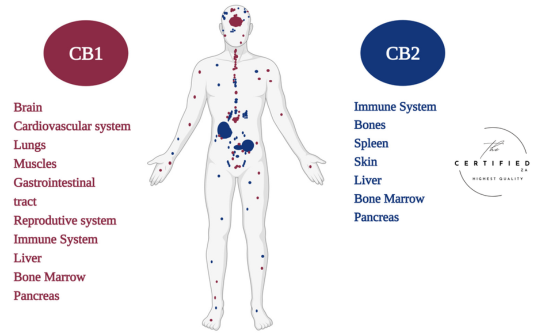
To understand why a fatal cannabis overdose is not possible, we need to delve into the science of how cannabis interacts with our bodies. The primary active compounds in cannabis, cannabinoids like THC (tetrahydrocannabinol) and CBD (cannabidiol), exert their effects by interacting with the body’s endocannabinoid system (ECS). This vast network of receptors and neurotransmitters plays a crucial role in regulating various physiological processes, including mood, pain, appetite, and sleep.
The key to cannabis safety lies in the distribution of cannabinoid receptors in the brain. Crucially, there are virtually no cannabinoid receptors in the brainstem, the region responsible for controlling vital functions like breathing and heart rate. This is in stark contrast to opioids and alcohol, which do heavily interact with receptors in the brainstem, directly impacting these life-sustaining functions and making fatal overdoses a real risk.
Because cannabinoids primarily interact with receptors outside of these critical brainstem areas, they lack the mechanism to shut down respiration or cause fatal organ failure. Numerous studies and decades of anecdotal evidence have consistently demonstrated the remarkably high safety profile of cannabis in this regard. While extremely high doses of cannabis can certainly lead to uncomfortable and unwanted side effects, they simply do not possess the physiological pathways to cause death in the way that opioids, alcohol, or many other substances can.

The Reality of “Greenouts” or “Greenies”: Understanding Overconsumption
While the specter of fatal overdose is a myth, the experience of consuming too much cannabis and experiencing a “Greenies” is a genuine phenomenon. “Greenout” or “greenie” are slang terms used within cannabis culture to describe the set of unpleasant physical and psychological symptoms that can arise from overconsumption. It’s essentially the body’s way of signaling that it’s been overwhelmed by cannabinoids.
What Causes a Greenies? Several factors can contribute to this uncomfortable state:
- Overstimulation of the Endocannabinoid System: Consuming excessive amounts of cannabis, particularly THC, can lead to an overstimulation of the ECS. This overstimulation can disrupt the delicate balance of the system, leading to a cascade of uncomfortable effects.
- Blood Pressure Drop (Hypotension): Cannabis, especially THC, can cause blood vessels to dilate, leading to a temporary drop in blood pressure. This can manifest as dizziness, lightheadedness, and even fainting in some individuals.
- Blood Sugar Fluctuations: Cannabis can affect blood sugar levels in some people. While this effect is complex and varies, fluctuations in blood sugar can contribute to feelings of weakness, dizziness, and nausea, common symptoms of a greenout.
- Dehydration: Cannabis consumption can sometimes lead to mild dehydration, either directly or indirectly (e.g., forgetting to drink water while engrossed in an activity). Dehydration can exacerbate feelings of dizziness, headache, and fatigue, compounding the discomfort of a greenout.
- Anxiety and Panic: In some individuals, particularly those prone to anxiety or with a lower tolerance to THC, overconsumption can trigger feelings of anxiety, paranoia, and even panic attacks. These psychological effects can be intensely unpleasant and contribute significantly to the overall “greenout” experience.
So obviously, if you have underlying issues like being diabetic, overconsumption of cannabis can cause you serious issues and you have to be mindful of this.

Recognizing the Signs: Symptoms of a Cannabis Greenout
Being able to recognize the symptoms of a greenout is crucial, both for yourself and for assisting others who might be experiencing one. Symptoms can vary in intensity and presentation from person to person, but common indicators include:
- Nausea and Vomiting: Feeling queasy or actually throwing up is a common physical symptom.
- Dizziness and Lightheadedness: Feeling unsteady, like the room is spinning, or on the verge of fainting.
- Sweating and Chills: Experiencing sudden hot flashes or cold sweats, often accompanied by clammy skin.
- Anxiety and Paranoia: Increased feelings of unease, worry, and suspicion, sometimes escalating to intense paranoia.
- Confusion and Disorientation: Difficulty thinking clearly, feeling detached from reality, or losing track of time and surroundings.
- Increased Heart Rate: A rapid or pounding heartbeat, often accompanied by palpitations.
- Pale Face: A noticeable loss of color in the face, indicating changes in blood flow.
- Loss of Coordination: Difficulty walking, stumbling, or feeling clumsy.
- Muscle Weakness: Feeling physically weak or heavy, making movement difficult.
Although all of these are temporary, it is important to know yourself. If you don’t feel well, you should say something to the person closest to you. Being dizzy and trying to navigate yourself can end up causing you harm. Thankfully stoners often smoke with people in excess.

Riding Out the Green Wave: What to Do During a Greenie
If you or someone you know is experiencing a greenies, the most important thing is to remain calm and reassuring. Here are practical steps to take to manage the situation and help alleviate symptoms:
- Stay Calm and Reassure: Panic can exacerbate symptoms. Remind yourself or the person experiencing the greenout that these effects are temporary and will pass. Reassurance is key to reducing anxiety.
- Find a Safe and Comfortable Place: Move to a calm, quiet, and safe environment. Ideally, this would be a comfortable space where the person can lie down or sit comfortably. Dimming lights and reducing noise can be helpful. Couch is my preferred spot. As the bed can sometimes send you spinning.
- Hydration is Key: Offer water or if need be something with sugar, this can vary of cause depending on if the person is diabetic and overall diet. I personally give things with sugar.
- Snack Smart (If Possible): If nausea isn’t severe, a light, easily digestible snack like ice cream or fruits might help stabilize blood sugar levels. However, don’t force food if the person is feeling nauseous.
- Deep Breathing and Relaxation: Encourage slow, deep breaths. Focusing on breathing can help calm the nervous system and reduce anxiety. Guided relaxation techniques or meditation apps can also be helpful if accessible.
- Fresh Air (If Appropriate): If the environment is safe and comfortable, a bit of fresh air can sometimes be beneficial. However, avoid extreme temperatures or overwhelming sensory environments. I remembermy first ever greenie I had was in the outdoors, and I ended up just chilling right there in the park riding it out.
- CBD Can Help (Maybe): While more research is needed, some anecdotal evidence suggests that CBD (cannabidiol) may help counteract some of the anxiety-inducing effects of THC. If CBD is available, it might be worth trying in moderate amounts, but it’s not a guaranteed remedy.
Monitor and Seek Help if Needed: While greenies are not life-threatening, it’s important to monitor the person and ensure their well-being. If symptoms are severe, prolonged, or if you are concerned, don’t hesitate to seek medical advice or contact emergency services. It’s always better to err on the side of caution.

Prevention is the Best Medicine: Consuming Cannabis Responsibly
The best way to avoid greenies is to not smoke weed at all. Thats a joke but its true. The next best thing would be to moderate your cannabis consuption. Taking a mindful and informed approach can significantly reduce the risk of overindulgence and ensure a more positive experience.
- Start Low and Go Slow: Especially if you are new to cannabis or trying a new product, start with a very low dose and wait patiently to feel the effects before consuming more. Edibles, in particular, can have a delayed onset, so patience is crucial.
- Know Your Limits and Tolerance: Understand your personal tolerance to cannabis. Tolerance can vary greatly between individuals and can also fluctuate based on factors like frequency of use, metabolism, and even current health status. Be mindful of your own limits and consume accordingly.
- Pay Attention to Product Potency: Be aware of the potency of the cannabis products you are consuming, especially edibles and concentrates. Pay close attention to THC percentages and serving sizes. Start with low-potency options and gradually increase as needed.
- Stay Hydrated and Eat Before/During: Consume cannabis when you are well-hydrated and have eaten something beforehand. An empty stomach can intensify the effects of cannabis, and dehydration can worsen potential side effects.
- Choose Comfortable Environments: Consume cannabis in safe, comfortable, and familiar environments, especially when trying new products or consuming higher doses. Avoid unfamiliar or stressful settings that could contribute to anxiety.
Be Mindful of Mixing Substances: Be extremely cautious about mixing cannabis with alcohol or other substances, especially if you are new to cannabis or have a lower tolerance. Mixing substances can unpredictably amplify effects and increase the risk of unwanted side effects.

Cannabis Safety and Responsible Enjoyment
Let’s reiterate: you cannot die from a cannabis overdose. This is a scientifically established fact and a crucial piece of information to disseminate and understand. While the fear of fatal overdose is unfounded, the reality of uncomfortable overconsumption, or “greenouts,” is something to be aware of and avoid.
Cannabis, when consumed responsibly and with awareness, is a remarkably safe substance. By understanding the science, recognizing the signs of overconsumption, and practicing mindful consumption habits, you can confidently enjoy the potential benefits of cannabis while minimizing any potential risks. Knowledge is power, and in the world of cannabis, informed and responsible consumption is the key to a positive and enjoyable experience. Embrace the facts, dispel the myths, and consume with confidence and care.











 Reach us on WhatsApp