Posted on

Cannabis Pricing: Why Is It So High?

Cannabis Pricing Feature image

The pricing of cannabis products has always been a subject of curiosity and, often, frustration among consumers. From the surprisingly affordable to the outrageously expensive, the range of prices in the cannabis market can be bewildering. In this article, we’ll delve into the reasons behind the high prices of cannabis and explore the dynamics that shape pricing strategies within the industry. From R3 a gram to R300 a gram. Where does madness meet affordability?

Understanding the Cannabis Market

The cannabis market is diverse, catering to various segments of consumers with differing preferences and purchasing power. Understanding this market segmentation is crucial in deciphering the wide range of prices. Factors such as product type, quality, and brand reputation play significant roles in determining pricing. For others, it’s a matter of feelings and set prices according to their mood.

Different Segments of the Market

The cannabis market can be broadly divided into categories such as medicinal cannabis, recreational cannabis, and artisanal or craft cannabis. Each segment targets a specific demographic with distinct preferences and budgets.

Several factors influence cannabis pricing, including production costs, regulatory compliance, taxation, and market demand. Additionally, branding, packaging, and perceived quality contribute to the perceived value of a product, influencing pricing decisions. I would argue, however, that most growers and cannabis outlets do not have their costing correctly. As most cannabis enthusiasts are not all that business savvy, it can cause a major discrepancy in pricing even when the quality of the weed does not differ overall. 

The Role of Quality in Cannabis Pricing

Quality is a primary determinant of cannabis pricing, with consumers willing to pay more for superior products. However, assessing the quality of cannabis can be subjective, leading to disparities in pricing across brands and products. As we mentioned prior what you consider Triple A cannabis doesn’t mean everyone will agree. Regardless of this, there has been over the years a standard pricing for cannabis grown in Outdoor, greenhouse or indoor settings. Ranging from R3 – R30 for outdoor-grown cannabis, R30 – R80 for greenhouse-grown flowers and up to R300 for indoor cultivated cannabis. 

These days however people are understanding what quality is and what they are looking for.

Quality indicators in cannabis include cannabinoid potency, terpene profile, appearance, aroma, and taste. Higher potency, unique terpene profiles, and visually appealing buds command higher prices in the market. However, consumers are waking up to the fact that they need to find a balance in these indicators. Not all cannabis is the same and having a single price point for all weed in a category won’t do the flowers justice. 

Impact on Pricing

Products that meet or exceed consumer expectations in terms of quality often justify higher price points. Premium strains, organic cultivation methods, and meticulous curing and packaging processes contribute to elevated pricing.

The production of cannabis involves various inputs and expenses, which directly impact pricing decisions. Cultivators must consider factors such as cultivation methods, labour costs, utilities, compliance fees, and packaging expenses when determining the cost of production. 

Key inputs in cannabis cultivation include seeds or clones, nutrients, water, lighting, and pest control measures. Indoor cultivation methods incur higher expenses compared to outdoor or greenhouse cultivation due to the need for climate control and artificial lighting. It can be the opposite as an indoor space over time will produce more efficient results whereas outside settings will remain challenging and hard work year-round for the farmers. This too can affect the pricing. Something we see reflected in bigger indoor growing facilities. Because of the automation and dialled-in regiments, things cost less and things are streamlined. This lowers production costs and we hope that in the future. The price will be too. 

Yield per plant, cultivation cycle duration, and crop quality influence the profitability of cannabis cultivation. Growers must optimize production processes to maximize yield while minimizing costs to remain competitive in the market. The biggest game to play when you are a grower.

Pricing Strategies in the Cannabis Industry

Pricing strategies in the cannabis industry vary, with some businesses relying on emotional pricing tactics while others adopt data-driven approaches.

Emotional Pricing vs. Data-Driven Pricing

Emotional pricing involves setting prices based on intuition, market trends, or perceived value without rigorous analysis. In contrast, data-driven pricing relies on market research, cost analysis, and competitive benchmarking to establish optimal price points.

Competitive Pricing Dynamics

Competition among cannabis businesses influences pricing dynamics, with companies adjusting prices to gain market share or maintain profitability. Price wars may occur in saturated markets, leading to temporary price reductions to attract customers.

Despite the availability of a wide range of cannabis products, affordability remains a significant challenge for many consumers.

High prices limit access to cannabis for medical patients and recreational users with limited disposable income. Affordability barriers contribute to disparities in access to cannabis-based therapies and products. Improving access to affordable cannabis requires industry-wide efforts to streamline production processes, reduce regulatory burdens, and promote price transparency. Collaborative initiatives between stakeholders can help address affordability issues and ensure equitable access to cannabis.

The Need for Transparent Pricing

Transparent pricing practices benefit both consumers and businesses, fostering trust and loyalty within the cannabis community. This builds credibility and enhances consumer confidence by providing clarity on product costs and value. It fosters long-term relationships with customers and encourages repeat purchases. Cannabis businesses can differentiate themselves by prioritizing transparency and ethical pricing practices. Clear communication regarding pricing methodologies, production standards, and product quality fosters trust and loyalty among consumers.

In conclusion, the high prices of cannabis products stem from a combination of factors, including production costs, quality considerations, and pricing strategies. While premium products may command higher prices, affordability remains a concern for many consumers. Adopting transparent pricing practices and prioritizing affordability can help address these challenges and ensure equitable access to cannabis for all. After all, this is a holy sacrament to so many and having to see those people struggle to obtain their herb is frustrating to me. I hope this changes shortly. 

What is the most you have paid for cannabis? Is it fair? And why would anyone pay such a premium price for something that can only be so good? Let us know below.

Posted on

Bag Appeal: Is it Really All That?

Bag appeal feature image

Today’s cannabis market is very interesting, to say the least. The concept of “bag appeal” holds significant sway. But is it truly a reliable indicator of quality? Let’s delve deeper into this phenomenon to uncover the truth behind the allure of visually appealing cannabis. Because most of us come from a past where it wasn’t a thing…

What is Bag appeal?

Bag appeal, often described as the visual attractiveness of cannabis flowers when packaged for sale, has become a focal point in the cannabis industry. It refers to the aesthetic qualities that catch the eye of consumers and influence their purchasing decisions. While it may seem like a straightforward concept, the significance of bag appeal goes beyond mere aesthetics, shaping consumer perceptions and driving market trends. It has become a love-at-first-sight type of thing. An I smoke with my eyes-first situation.

Evolution of Bag Appeal

In the early days of cannabis culture, consumers prioritized potency and effects over aesthetics. As long as there were no bugs, eggs or mould on the flower. It was good. Attractive weed was the cherry on top. I mean, No seeds were icing on the cake.

However, as the industry has evolved, there has been a noticeable shift towards visual appeal. This evolution can be attributed to various factors, including changes in consumer preferences and advancements in cultivation techniques.

Factors Affecting Bag Appeal

Several factors contribute to the overall bag appeal of cannabis. Cultivation practices play a crucial role, with factors such as nutrient levels, lighting, and environmental conditions influencing the plant’s appearance. Additionally, the drying and curing process can impact the colour, aroma, and texture of the flower. Genetics also play a significant role, as certain strains are naturally more visually appealing than others. This makes growing any flowers for the grower as they need to stay with trends in the market and what people like to see very difficult. Let alone smell. A topic for next week’s blog.

Misconceptions Surrounding Bag Appeal

While bag appeal can certainly enhance the consumer experience, it’s essential to recognize that appearance does not always correlate with quality. Some of the most potent and flavorful cannabis may not exhibit the same level of visual appeal as other strains. Conversely, visually stunning flowers may not always deliver the desired effects. Consumers must look beyond appearance and consider factors such as cannabinoid content and terpene profile when evaluating quality. For The Certified, we rely on providing accurate descriptions of all farmers’ produce. As it is the only way to cater to the market in an online sense. 

The Impact of Bag Appeal on Consumer Behavior

Bag appeal plays a significant role in influencing consumer purchasing decisions. Research has shown that consumers are more likely to gravitate towards visually appealing products, even if they come at a higher price point. This phenomenon is often attributed to the psychological concept of “perceived value,” where consumers associate visual aesthetics with overall quality.

Recognizing the importance of bag appeal, many cannabis companies invest heavily in branding and packaging. Eye-catching logos, vibrant colours, and unique packaging designs are used to differentiate products and attract consumers’ attention. Additionally, exotic strains with visually striking characteristics are often favoured by consumers seeking a premium experience.

Challenges for Farmers and Growers

While bag appeal can be a valuable marketing tool, it also presents challenges for farmers and growers. There is pressure to produce cannabis that meets the visual standards set by the market, which may require additional resources and expertise. Balancing aesthetics with cultivation practices can be a delicate process, as growers strive to maintain quality while also maximizing yields. Something they already battle with in every grow cycle. Please consider your farmer next time you see some flowers not perfectly trimmed to your eyes liking. There is so much happening and your farmer is the foundation of your medicine production. 

Educating Consumers About Quality

In light of the emphasis on bag appeal, there is a need for consumer education regarding quality standards in the cannabis industry. Consumers need to understand that appearance is just one aspect of the overall cannabis experience. By prioritizing potency, flavour, and effects, consumers can make more informed purchasing decisions and appreciate the true value of the products they consume. We do not say to let bag appeal be the least contributing factor, but it certainly cannot outrank everything else.

The Future of Bag Appeal

As the cannabis industry continues to evolve, the concept of bag appeal is likely to remain a prominent factor in consumer preferences. However, there may also be a shift towards a more nuanced understanding of quality, with consumers placing greater emphasis on the overall cannabis experience rather than solely focusing on aesthetics. Additionally, advancements in cultivation techniques and genetics may lead to the development of new strains that offer both visual appeal and exceptional quality.

Bag appeal undoubtedly plays a significant role in the cannabis industry, shaping consumer perceptions and driving market trends. While visually appealing cannabis can enhance the consumer experience, it’s essential to recognize that appearance alone does not determine quality. By educating consumers and prioritizing factors such as potency and effects, we can ensure that the true value of cannabis is appreciated beyond its aesthetic appeal.

Posted on

Edibles: A journey to space with THC

Edibles featured image

Understanding the Difference: Inhalation vs. Ingestion

In the realm of cannabis consumption, edibles stand out as a unique and increasingly popular method of experiencing the effects of THC. For newer users who are conservative or not smokers in general, it’s a good alternative to get their “high”. Unlike traditional inhalation methods such as smoking or vaping, where THC is rapidly absorbed through the lungs and into the bloodstream, edibles take a different route.

Inhalation: Fast and Intense

When cannabis is smoked or vaped, THC is swiftly delivered to the brain via the bloodstream, resulting in a rapid onset of effects. Users typically experience a peak high within 30 minutes of inhalation, followed by a gradual decline over a few hours. However, individual tolerance levels can significantly impact the duration and intensity of the high. Note that when you decide to burn your second joint, the effects of the second joint will just add to the effects of the first. 

Ingestion: A Slow Burn

In contrast, consuming edible cannabis products involves ingesting THC orally, where it is metabolized by the liver before entering the bloodstream. This process takes time, usually around 30 minutes to an hour for the effects to kick in fully. As the THC is gradually released into the system, the high builds slowly and can last for several hours, often with increasing intensity over time. So it is important not to eat more edibles because you “don’t feel anything”. The first is edible and the second will hold hands and ruin your day. It truly is a compound effect. Whereas inhalation is more linear.

Navigating the Edible Experience

The Importance of Proper Dosing

One of the key challenges of edible consumption is dosing. Unlike smoking, where it’s easier to control the amount of THC ingested, edibles can be more unpredictable. It’s crucial for consumers to know the potency of the products they’re consuming and to start with a low dose, especially for those with a low tolerance or limited experience with cannabis. It can truly be to the detriment of your relationship with cannabis as a whole by ingesting more potent cannabis edibles than expected. And when we mean to start with a low dose, we are not saying eat don’t enjoy yourself, it’s simple to be mindful of your tolerance. 

The Risks of Overconsumption

Overindulging in edibles can lead to unpleasant side effects such as anxiety, paranoia, and overwhelming sedation. The slow onset of effects can catch users off guard, causing them to consume more than intended before feeling the full impact. Proper education and awareness are essential to avoid these negative experiences. Sleeping it off doesn’t work for everyone either… Some people actually will confess that the high simply hit pause, and when they woke up it was like nothing changed. They were still in space. Some have reported being high for days from overconsumption. Please try and avoid this.

The Evolution of Edibles

Advancements in Product Development

As the demand for edibles grows, so too does the innovation within the industry. Companies are investing in advanced extraction techniques and precise dosing methods to create products that offer consistent and reliable experiences. From gummies and chocolates to infused beverages and savoury snacks, the options for edible consumption continue to expand. What is the wildest edible you have had? I would like to know. Comment below.

The Quest for Quality and Taste

In addition to potency and consistency, taste plays a significant role in the edibles market. While some consumers enjoy the natural flavour of cannabis-infused products, others prefer options that mask the taste entirely. Companies are experimenting with various flavour profiles and ingredients to cater to diverse preferences and elevate the edible experience. Using distilled cannabis extract will produce an edible so clean that one would never even know that there is cannabis in it. The industry has come so far. From putting the cannabis straight into the muffin mix. Then we decarboxylated the cannabis and mixed it in the butter. We learnt that THC loves fat cells. To extract the cannabis in coconut oils and olive oils. Which still is used in the industry. It’s amazing how people have applied themselves. 

Edibles offer a unique and exciting way to explore the effects of THC, providing a slower onset and longer-lasting high compared to inhalation methods. However, it’s essential to approach edible consumption with caution, paying attention to dosing and being mindful of individual tolerance levels. It can truly be a fun experience among friends and individually too. The fact that non-smokers get to enjoy cannabis too makes us the happiest around the edible Niche.

Posted on

Indoor, Outdoor, and Greenhouse Cannabis: Which is Better?

indoor outdoor and greenhouse cannabis cultivation. Which is better?

Cannabis cultivation has evolved significantly over the years, with growers experimenting with various methods to produce high-quality flowers. The growing environments however has stayed the same. Indoor, Outdoor or Greenhouse cultivation. Each method has its advantages and drawbacks, catering to different preferences and needs within the cannabis community. I hope that one day we will move away from labels and recognise just one thing. Quality and less than. This is my 2 cents on the matter. 

Indoor Cultivation

Indoor cultivation involves growing cannabis plants in controlled environments, typically within grow rooms or tents. Growers can regulate factors such as light, temperature, humidity, and nutrient levels, allowing for precise control over the growth process. This method is popular in regions with limited sunlight or where cannabis cultivation is restricted. It also provides year-round growing capabilities. 

Outdoor Cultivation

Outdoor cultivation takes advantage of natural sunlight and environmental conditions to grow cannabis plants. Plants are typically grown in open fields or gardens, relying on sunlight, rainwater, and natural airflow for growth. While outdoor cultivation is more reliant on environmental factors, it can produce unique flavour profiles and a distinct entourage effect due to the natural growing conditions. Something that seriously cannot be ignored. After all, indoor cultivators mimic the outside rhythms as best they can. 

Greenhouse Cultivation

Greenhouse cultivation combines elements of indoor and outdoor growing. Greenhouses provide shelter from harsh weather conditions while still allowing sunlight to penetrate through the glass or plastic panels. Growers can control factors such as temperature, humidity, and airflow to create an optimal growing environment. This method offers a balance between the controlled conditions of indoor cultivation and the natural elements of outdoor cultivation.

Quality Factors in Cannabis Cultivation

When it comes to determining the quality of cannabis flowers, several factors come into play. These include the entourage effect, potency, and flavour profile, all of which can be influenced by the cultivation method used. 

Entourage Effect

The entourage effect refers to the synergistic interaction between cannabinoids, terpenes, and other compounds found in cannabis. Outdoor-grown cannabis often exhibits a richer entourage effect due to the natural growing conditions and exposure to various environmental factors. This results in a more complex flavour profile and potentially enhanced therapeutic effects. Most cannabis users are holistic in their cannabis use, and thus the entourage effect is something desired.

Potency

Indoor cultivation tends to produce cannabis flowers with higher potency levels. This is because growers have precise control over environmental factors and can optimize conditions to maximize cannabinoid production. As a result, indoor-grown cannabis may contain higher concentrations of THC or other cannabinoids compared to outdoor-grown varieties.

Flavour Profile

The flavour profile of cannabis can vary depending on the cultivation method used. Outdoor-grown cannabis often exhibits a more robust and natural flavour profile, reflecting the terroir of the region where it was cultivated. In contrast, indoor-grown cannabis may have a more consistent but potentially less nuanced flavour profile due to the controlled growing conditions. Greenhouse aims to meet in the middle of this. The ability for the plants to be planted on the earth and still be supplemented with artificial inputs makes for a unique cannabis experience too.

Benefits and Drawbacks of Each Cultivation Method

Each cannabis cultivation method has its unique benefits and drawbacks, which cater to different preferences and priorities among growers and consumers.

Indoor Cultivation

Benefits:

Precise control over environmental factors

Ability to grow year-round regardless of external conditions

Consistent quality and potency

Drawbacks:

Higher energy costs associated with artificial lighting and climate control systems

Increased risk of pests and diseases in enclosed spaces

Environmental impact of indoor cultivation practices

Outdoor Cultivation

Benefits:

Reliance on natural sunlight and environmental factors

Potential for unique flavor profiles and entourage effects

Lower operational costs compared to indoor cultivation

Drawbacks:

Vulnerability to weather-related challenges such as pests, diseases, and extreme temperatures

Limited growing seasons in certain climates

Regulatory restrictions in some regions

Greenhouse Cultivation

Benefits:

Protection from harsh weather conditions while still harnessing natural sunlight

Enhanced control over environmental factors compared to outdoor cultivation

Potential for higher yields and quality compared to traditional outdoor cultivation

Drawbacks:

Higher upfront costs associated with greenhouse construction and maintenance

Need for ongoing monitoring and management of environmental conditions

Potential for fluctuations in quality due to environmental factors

Market Dynamics

The cannabis market is influenced by various factors, including cultivation methods, consumer preferences, and regulatory frameworks. These dynamics play a significant role in determining the price and availability of cannabis products. There is a trend and we would like to believe that we are here to be the difference. 

Price Variation

The price of cannabis can vary depending on the cultivation method used. Indoor and greenhouse cultivation often result in higher production costs due to the need for equipment, energy, and labour. As a result, indoor and greenhouse-grown cannabis typically commands higher prices compared to outdoor-grown varieties. However, outdoor-grown cannabis, especially in regions known for its unique terroir and growing conditions, may also fetch premium prices due to its terroir quality. It is important to understand, that if growers and industry kept the consumer in mind the price would only reflect the quality of the flowers produced. Understanding the inputs towards indoor cultivation is higher, but it is also predictable and scalable. A well-run indoor setup will become more efficient and less expensive over time. Outdoor cultivation has more unpredictability due to the nature of the environment even if the quality of the flower is achieved, the quantities often won’t be. Leaving the outdoor farmer with less room to negotiate. We need to consider this. 

Consumer Preferences

Consumer preferences play a crucial role in shaping the cannabis market. Some consumers prioritize potency and consistency, making indoor-grown cannabis their preferred choice. Others value the natural attributes and unique flavours associated with outdoor-grown cannabis. Greenhouse-grown cannabis appeals to those seeking a balance between controlled environments and natural growing conditions. Some only have access to a certain type of weed due to budget

Factors Influencing Choice of Cultivation Method

Several factors influence the choice of cannabis cultivation method, including environmental considerations, market demand, and grower preferences. Understanding these factors is essential for growers seeking to optimize their cultivation practices and meet consumer expectations.

Climate plays a significant role in determining the feasibility of different cultivation methods. Regions with limited sunlight or harsh weather conditions may favour indoor or greenhouse cultivation to ensure consistent yields and quality year-round. In contrast, regions with ample sunlight and favourable growing conditions may be ideal for outdoor cultivation.

Market demand for cannabis products can also influence the choice of cultivation method. In regions where consumers prioritize potency and consistency, indoor cultivation may be preferred. However, in markets where consumers value natural and organic products, outdoor or greenhouse cultivation methods may be more popular.

Grower Preferences

Grower preferences and expertise also play a crucial role in determining the cultivation method used. Some growers may have experience and infrastructure in place for indoor cultivation, while others may prefer the hands-on approach of outdoor or greenhouse cultivation. Ultimately, the choice of cultivation method depends on factors such as cost, efficiency, and desired product attributes. If you are a grower reading this. Know that there is no point in doing something you cannot afford to sustain. The market is unforgiving in 2024… everyone has a preference. We only have our skills. 

Conclusion

Indoor, outdoor, and greenhouse cannabis cultivation each offer unique advantages and drawbacks. Indoor cultivation provides precise control over environmental factors but comes with higher production costs. Something we hope to see change. Outdoor cultivation relies on natural sunlight and environmental conditions, resulting in unique flavor profiles but may be vulnerable to weather-related challenges. I hope, that one day terroir will be valued as highly in outdoor cannabis produce as it is in wine. The uniqueness of the natural environment to produce crops within season only… It’s just something else. Greenhouse cultivation offers a balance between controlled environments and natural conditions, making it an attractive option for growers seeking optimal yields and quality. 

We do not believe that there is anyone better than the other. We believe that all cannabis cultivation has its purpose. People will always want what they want, but we have to ensure that we are charging them fairly. According to our growing cost yes, but also the overall quality of the product

FAQs

Which cultivation method produces the highest quality cannabis?

The quality of cannabis can vary depending on factors such as genetics, cultivation practices, and environmental conditions. While indoor cultivation often produces potent and consistent flowers, outdoor and greenhouse cultivation methods can also yield high-quality cannabis with unique flavour profiles.

Is outdoor-grown cannabis always better than indoor-grown?

Not necessarily. Outdoor-grown cannabis may have a more natural flavour profile and entourage effect due to exposure to environmental factors, but indoor-grown cannabis can also produce potent and consistent flowers with precise control over growing conditions.

Why do some consumers prefer greenhouse-grown cannabis?

Greenhouse-grown cannabis offers a balance between controlled environments and natural conditions, resulting in high-quality flowers with consistent yields. Consumers may prefer greenhouse-grown cannabis for its optimal growing conditions and unique flavour profiles.

How do market dynamics affect the price of cannabis?

The price of cannabis is influenced by factors such as cultivation method, quality, and market demand. Indoor and greenhouse-grown cannabis often command higher prices due to higher production costs, while outdoor-grown cannabis may also fetch premium prices in regions known for their unique growing conditions.

What are the main factors growers consider when choosing a cultivation method?

Growers consider factors such as climate, market demand, and personal preferences when choosing a cultivation method. Climate plays a significant role in determining the feasibility of different methods, while market demand and grower expertise also influence the decision-making process.

Let us know your thoughts below.

Posted on

Who Decides what is triple A Cannabis?

Who decides what is Triple A

The Significance of Triple-A Cannabis

In the ever-expanding world of cannabis, the term “Triple A” has become a buzzword, creating curiosity and intrigue among enthusiasts and connoisseurs. But what does it mean, and who decides what qualifies as Triple-A cannabis?

Decoding the Triple-A Grading System

The cannabis industry has adopted a grading system to help consumers navigate the vast array of products available. While some categorise cannabis based on growth environments like indoor, outdoor, and greenhouse, others incorporate a more nuanced approach with grades such as B, A, and the coveted Triple-A.

Triple-A, often synonymous with superior quality, lacks an official standard, leaving room for interpretation. Interpretation that sometimes lacks depth or sometimes too much depth. This often leads me down a rabbit hole. Trying to wrap my head around the thought process behind the grading. And whether the entire market is considered, a portion thereof or is it an in-house grading system. The absence of universally agreed-upon criteria raises the question: What truly defines Triple A cannabis? 

The Subjectivity of Quality in Cannabis

For cannabis dealers, the grading system serves as a valuable tool to communicate perceived quality to consumers. However, the subjective nature of these classifications becomes apparent when considering that what one grower or seller deems Triple-A might not align with another’s standards. 

It’s crucial to acknowledge that individual reactions to cannabis vary, making it challenging to establish a concrete quality standard. Terpenes, flavonoids, and other compounds in cannabis contribute to diverse experiences, making the grading system more of a preference than an objective measure. Although, I must admit. When you see the Dankest Dank you know it’s dank-er than the rest…. You just do.

The Fluctuating Nature of Cannabis Quality

One of the inherent challenges of the Triple-A grading system is its inconsistency. Cannabis appearance, effects, and overall quality can fluctuate, leading to shifts in grading classifications. What is considered Triple-A one week might be labelled as a lower grade the next, solely based on the arrival of new, potentially superior cultivars. It’s like the classic saying by Katt Williams “N***a, remember that Sh*t I gave you last week? N***a that’s nothing…”

Looking Beyond Grades: Towards a Quality-Centric Approach

As the industry evolves, it’s worth considering a paradigm shift from the current grading system towards a focus on overall quality. The distinctions between indoor, outdoor, and greenhouse environments may not capture the essence of what truly makes cannabis exceptional. Instead, let’s look at quality cannabis compared to lesser-quality cannabis. Pricing should not be according to the feel but accurately costed… Something I hope to see in the cannabis industry. 

Next week, we’ll delve into the discussion of indoor, outdoor, and greenhouse cultivation, exploring why it might be time to move away from arbitrary grading and embrace a holistic perspective on quality cannabis.

Posted on

Indica and Sativa: The Effects

Indica and Sativa Image

The terms Indica and Sativa have been the pillars of categorising cannabis strains. However, the reality is more nuanced. The indica plant typically exhibits relaxing effects, often associated with a “couch-lock” sensation, while sativa strains offer more uplifting and energetic effects. But it’s not a strict rule, and hybrid strains bring a blend of both worlds.

The Distinct Features: Indica’s Relaxation vs. Sativa’s Uplifting Effects

Indica-dominant strains, like OG Kush and Girl Scout Cookies, are known for their relaxing properties. On the other hand, Sativa-dominant strains, such as Haze Berry and Blue Dream, offer a more uplifting and creative experience. Understanding these distinctions is crucial for choosing a strain that aligns with your desired effects.

Terpenes: Aromas and Effects

Various cannabis terpenes contribute not only to the distinctive aromas and flavours of different strains but also play a crucial role in shaping the effects and potential health benefits of the plant.

Myrcene, prevalent in many strains, is associated with sedative effects and is often chosen for pain relief and sleep.

Limonene, with its citrusy notes, offers anti-inflammatory and antioxidant properties, providing stress relief and potential therapeutic benefits.

Linalool, recognized for its spicy and floral tones, induces relaxation and has analgesic and anxiolytic effects.

Caryophyllene, known for its spicy and peppery profile, acts as a cannabinoid, offering anti-inflammatory benefits.

Alpha-pinene and beta-pinene, reminiscent of pine, provide anti-inflammatory effects and are useful in treating respiratory conditions.

Alpha-bisabolol, with its floral aroma, enhances compound absorption and exhibits antibacterial properties.

Eucalyptol offers a minty freshness, relieves pain, inhibits bacterial and fungal growth, and shows potential cognitive benefits.

Continuing with lesser-known terpenes, trans-nerolidol, found in jasmine and lemongrass, displays antiparasitic, antioxidant, and anticancer properties. Humulene, with earthy notes, may prevent cancer cell growth and act as an appetite suppressant. Delta 3 Carene, offering a sweet and earthy aroma, is associated with bone-healing properties and potential cognitive improvements. Camphene, often mistaken for myrcene, has herbal and floral notes, contributing to potential cholesterol-lowering effects. Borneol, common in rosemary and mint, acts as an insect repellent and has shown promise in combating breast cancer cells. Terpineol, with its floral aromas, induces relaxation and has antidepressant and neuroprotective properties. Geraniol, with its sweet and floral scent, exhibits neuroprotectant and antioxidant potential. Valencene, offering a sweet, citrusy aroma, has anti-inflammatory and anti-allergic properties, making it an ideal choice for those with skin-related conditions.

Indica Dominant Strains: OG Kush, Girl Scout Cookies, Grape Ape

Exploring Indica-dominant strains reveals a world of relaxation. OG Kush, with its earthy flavour, is celebrated for its calming effects. Girl Scout Cookies, a sweet and fruity strain, delivers a perfect balance of relaxation and euphoria. Grape Ape, with its musky notes, embodies the quintessential indica experience.

Sativa Dominant Strains: Haze Berry, Blue Dream, Quantum Kush

For those seeking an energetic and uplifting journey, Sativa-dominant strains are the go-to. Haze Berry, with its sweet and spicy aroma, provides a burst of creativity. Blue Dream, a fruity delight, is praised for its euphoric effects. Quantum Kush, with its earthy tones, delivers a potent sativa experience.

Hybrid Strains: The Best of Both Worlds: Gelato, Wedding Cake, Sour Diesel

In the realm of hybrids, Gelato stands out with its sweet and dessert-like flavour, offering a balanced experience. Wedding Cake, a hybrid masterpiece, combines relaxation with euphoria. Sour Diesel, a pungent and fuel-scented strain, brings together the best of sativa and indica characteristics.

Harvesting at the Right Time: Achieving Optimal Effects through Timely Harvesting

The timing of cannabis harvesting significantly influences its effects. Whether indica or sativa dominant, harvesting at the optimum time ensures the concentration of desired oils. Early harvesting may result in immature oils, diminishing the intended effects. Understanding the harvest window is key to unlocking the full potential of your cannabis strain.

The Role of Cannabinoids: Exploring THC and CBD

Cannabinoids like THC and CBD contribute to the therapeutic and psychoactive effects of cannabis. While THC induces the “high” and relaxation, CBD offers anti-inflammatory and anxiety-relieving properties. The balance of these cannabinoids varies among strains, influencing the overall experience.

The Impact of Terroir on Strain Profiles: How Growing Conditions Shape Cannabis Characteristics

Terroir, the environmental factors influencing plant growth, profoundly impact strain profiles. Factors like soil composition, climate, and cultivation methods contribute to the unique characteristics of each strain. Appreciating the influence of terroir adds another layer to the rich tapestry of cannabis varieties. It also will give you an appreciation of the efforts required to produce premium cannabis with amazing effects and flavours.

Indica and Sativa Cultivars: Navigating the Hybridization Landscape

In today’s cannabis landscape, the lines between indica and sativa blur as hybridisation takes centre stage. While a plant may exhibit indica-like physical features, its terpenes and effects might lean towards sativa. Navigating the hybridization landscape requires understanding the cultivar’s genetic makeup and intended effects.

Personal Insights: A Glimpse into My Cannabis Journey

As a cannabis enthusiast, my journey has been a tapestry of exploration. Each strain tells a unique story, from the calming embrace of indica strains during serene evenings to the invigorating experiences with sativa-dominant cultivars. It’s a journey of self-discovery and understanding the nuances that make each cannabis variety special. No one strain fits all. Even after growing the same cultivar many times over the Ideal terpene profile sometimes can change even when things remain constant. Cannabis can develop a mind of its own I feel.

FAQs: Common Questions About Indica and Sativa

Q: What defines an indica or sativa strain?

A: Indica strains are known for relaxation, while sativa strains offer more uplifting effects. The distinction is not absolute, and many strains are hybrids, combining characteristics of both.

Q: How does the terpene profile affect the cannabis experience?

A: Terpenes contribute to aroma and effects. For example, pinene has anti-inflammatory properties, while limonene provides uplifting and anti-anxiety effects.

Q: Can Indica strains be energising?

A: While Indica strains are generally relaxing, factors like harvest time and growing conditions can influence the final effects, making some indica strains more energizing.

Q: What role do cannabinoids play in cannabis effects?

A: THC induces psychoactive effects and relaxation, while CBD offers therapeutic benefits such as anti-inflammatory and anti-anxiety properties.

Q: How does terroir impact cannabis strains?

A: Terroir, including soil, climate, and cultivation, shapes the unique characteristics of cannabis strains, influencing their flavour and effects.

Q: Are hybrid strains better than pure indica or sativa?

A: It depends on personal preference. Hybrids offer a blend of effects, combining relaxation and energy, providing a more versatile experience.

Embracing the Diversity of Cannabis Varieties

In the diverse world of indica, sativa, and cannabis hybrids, every strain unfolds a unique experience. From the relaxing embrace of Indica to the invigorating lift of Sativa, each variety contributes to the rich tapestry of cannabis culture. Whether you seek relaxation, creativity, or a balanced blend, the world of cannabis offers a plethora of choices to explore. Understanding what works for you as a user can often be difficult because of the ever-evolving market. My suggestion would be to start with Hybrid strains before moving over to something cultivated for sativa or indica dominance.

Comment below with your thoughts on the matter. We would like to know which effect you prefer and why.

Posted on

Kaas is Baas: But is it? – Meet me halfway

Kaas is Baas blog feature image

In the vast world of cannabis strains, one name has consistently stood out over the years – Cheese. Whether it’s the renowned UK Cheese, the exotic Blue Cheese, or the intriguing Buddha Cheese, this strain has etched its aromatic presence into the hearts and pockets of cannabis enthusiasts globally.

The Origins of Cheese

But where did this phenomenon known as “Kaas is Baas” or simply the love of “Kaas” originate from? Legend has it that in the cannabis-rich landscapes of Cape Town, South Africa. Chosen as the most elite strain of its time. Amongst the Pondo, TK, Chronic and Malawi Gold. This strain rose above. Its lineage traces back to a branch of the skunk variety. Its distinct sweet and dank aroma set it apart, making it a sought-after treasure in a sea of more common strains.

Over Time

As things evolved, and the cannabis market expanded with a myriad of strains, the unique allure of Cheese endured. Despite the introduction of countless new varieties with unbelievably good scents, the opening of a jar of Cheese continues to captivate, drawing enthusiasts with an aroma that transcends others. Something about the smell… I’ve seen people flok to a bag of Kaas from a mile away. I have seen people flok like bees to honey. The truth… I swear.

The Boss of All Strains?

Is Cheese truly the boss of all strains, as some passionately argue? For Capetonians and many in South Africa, the answer is an undeniable yes. The deep-rooted love for Cheese has made it the number-one choice for decades. It’s not merely a strain; it’s a staple, a go-to that has weathered the storm of changing preferences. How can Kaas not be Baas. it is the first strain you ever loved. 

Cheese Across Borders

Cheese’s popularity extends beyond its place of origin, (the UK). It has become a beloved strain across the entire world, with enthusiasts from all corners expressing their affection for this aromatic delight. Some even refer to it in their music. The love for Cheese is undeniably widespread. 

Buddha Cheese: A Game Changer

In the evolutionary journey of Cheese, the introduction of Buddha Cheese marked a turning point. Big Buddha Cheese, with its distinct qualities, joined the ranks of beloved strains, challenging the supremacy of its predecessors. The cannabis community embraced this new addition, expanding the spectrum of Cheese lovers. For cultivators especially it was such a blessing. The new cultivar had a better structure and the flowers were just unbelievable. To this day it’s one of the easiest to grow cannabis strains out there. If you ever want to, try getting your hands on some of these, Washing Machine. Uk Cheese x Bubba Kush.

The Enduring Legacy

What sets Cheese apart, making it a perennial favourite? Some argue that it’s the sheer test of time that has solidified Cheese’s status. For nearly 30 years, it has remained a topping strain, rivalling the potency and flavour profiles of other renowned strains like Sluricane, and Gorilla Glue. The strain itself has become so prevalent that the term Kaas can be used to refer to any higher-grade cannabis. The strain has embedded itself into the cannabis culture more than any other. Especially in Cape Town, and more recently the rest of the country.

The Cheese Experience

It goes beyond just its aroma; it’s a journey that envelops you, making you feel good and relaxed. Its enduring popularity attests to its consistent quality and the satisfaction it brings to enthusiasts. If you’re a Cheese fan, you understand the unparalleled joy it brings. Or sedation if you know what I mean… and in case you don’t, Indica

In Conclusion

Is Cheese truly the boss of all strains? Opinions may vary, but one cannot deny the enduring legacy and widespread love this strain has garnered over the years. Whether you agree or have a preference for other strains, there’s no denying the unique charm that Cheese brings to the cannabis community.

Posted on

Cannabis Extraction: A Safer Approach for 2024

Cannabis Etraction

In the dynamic landscape of 2024, where innovation and accessibility define our age, it’s perplexing that some individuals still resort to risky backyard methods for cannabis extraction. Despite the availability of affordable extraction equipment and a wealth of knowledge at our fingertips, many continue to engage in unsafe practices, putting not only their safety at stake but also jeopardizing the well-being of those around them. Let’s put a stop to this in 2024. My 2c…

Why the Backyard Methods Persist

People often seek a heightened cannabis experience, especially when dealing with subpar or aged products. This desire for a unique experience prompts individuals to explore alternative extraction methods, leading them to scour the internet for unconventional techniques. Often this leads to a deep rabbit hole of unsafe quick and easy methods. Those of us who started here would recommend you not to. Trust. There is nothing worse than blowing up the house with you in it.

A Glimpse into Past Practices

Before the prevalence of accessible extraction tools, resourceful enthusiasts employed makeshift methods, like using hair straighteners to extract rosin from flowers. Some even resorted to crude homemade butane blast systems, fashioning devices from gas cans and Coke bottles – a wild sight to behold. While these methods may have produced results, they came with considerable risks and often resulted in poorly purged concentrates.

Dangers of Homemade Butane Hash Oil (BHO)

Homemade BHO, created through the butane extraction process, poses significant dangers. Rushed procedures frequently leave behind butane particles, rendering the final product toxic. Inadequate purging, due to the inability to create a vacuum, further amplifies the risks associated with these DIY methods.

Safer Alternatives: The Rise of Quality Extractors

The good news is that safer, more efficient alternatives exist in the form of quality extractors. Affordable rosin presses and mobile extractors have entered the market, empowering the average individual to conduct extractions in a much safer environment. Ama Dab being one of our country’s first premium extracting equipment stores, really paved the way for average enthusiasts to sophisticate their skillsets and be the leaders of extractors in the market today. All by providing safe and reliable equipment that can be used at home. 

The Rosin Press Advantage

A five-ton rosin press, for example, offers a safer and more controlled extraction process compared to traditional butane blasting. The elimination of hazardous elements associated with butane makes rosin presses an attractive option for those prioritizing safety. This is our preferred method for all home beginners… if they so choose to venture into the situation. 

A Cautionary Note: Butane Extraction with Care

For those still inclined towards butane extraction, cautious practices are essential. Investing in proper equipment with secure gas-handling mechanisms is crucial, especially for individuals with health considerations such as diabetes.

Creating a controlled environment for butane extraction involves more than just equipment. Techniques like vacuum purging can be achieved through simple setups using mason jars or sealed perspex cube boxes with smoke pumps. These methods ensure a slow and methodical purging process, mitigating the risks associated with rushed extractions.

Your Thoughts Matter.

We’d love to hear your perspective on this matter. Have you or someone you know engaged in backyard extraction methods? Let us know your experiences, and together, let’s promote safer practices within the cannabis community. Remember, safety should always be a priority in our pursuit of elevated experiences.

Posted on

Cannabis Breeding: From Pollen Chuckers to Elite Breeders

Cannabis Breeding , Blog post. What is elite cannabis breeding

Let’s delve into the fascinating world of cannabis breeding—a journey that involves meticulous selection, creative combinations, and the pursuit of superior genetics. Whether you’re a seasoned breeder or just starting, understanding the nuances of this process can make all the difference.

Unravelling Cannabis Breeding

Cannabis breeding is essentially the art of advancing the selective characteristics of the plant. This involves isolating specific traits, flavours, and other desirable elements from the pollen and breeding them into another plant. The result? A diverse array of flowers or seeds marked the first generation of selective breeding.

Ordinarily, breeders aim to maximise their efforts by planting a substantial number of seeds, often up to a thousand or more. From this batch, they meticulously identify one or two plants that embody the desired characteristics. If perfection is not achieved, the process continues.

However, the journey of breeding is not for the faint-hearted. It’s a meticulous and sometimes torturous process where strict adherence to predetermined criteria is paramount. Deviations are not an option, making the task challenging as breeders sift through thousands of plants to find the elusive ideal specimen.

The Dilemma of the Breeder

The breeder’s dilemma lies in the fact that while searching for specific traits, other exceptional plants may stand out for entirely different reasons. This presents a conundrum—stick to the original plan or explore the unexpected. Often, breeders face choices that can lead to additional breeding projects, causing delays in stabilization and market competitiveness.

The Mystery of Pollen Trackers

But who are these “pollen chuckers,” and why do they embark on the journey of breeding? The term is often attributed to individuals or growers attempting breeding for the first time, sometimes unintentionally. These novice breeders may stumble upon two cultivars of superior nature, thinking that combining them will create something extraordinary.

However, there’s a misconception in assuming that just mixing pollen from a serious male with a serious female guarantees quality. While the resulting cultivars may be unique, the crucial elements of stability, meticulous selection, and thoughtful planning may be lacking.

Distinguishing Between Pollen Chuckers and Elite Breeders

Enter the realm of the elite breeders—those who meticulously select, advance, and refine characteristics with careful consideration. The distinction between a pollen chucker and a breeder lies in the depth of commitment, planning, and patience exhibited throughout the breeding process.

The great elite breeder goes beyond random combinations. Creating carefully thought-out breeding projects that stand the test of stability and quality. It’s not just about chucking pollen; it’s about crafting a superior lineage that endures.

The Breeder’s Evolution

Every breeder likely started as a pollen chucker, experimenting and learning the intricacies of cannabis breeding. The transformation from a novice to an elite breeder involves gaining knowledge, honing skills, and making informed choices based on experience.

Do pollen chuckers deserve more recognition? The answer lies in acknowledging their role as stepping stones in the journey of every breeder. However, the true distinction emerges when a breeder evolves beyond chucking pollen. Embracing a commitment to excellence in genetics and traits.

In conclusion, cannabis breeding is an art that spans from the novice’s accidental discoveries to the elite breeder’s carefully crafted projects. As the cannabis community continues to evolve, so too does the appreciation for the diverse paths that lead to the creation of extraordinary cultivars. What are your thoughts on this? Share your insights; let’s unravel the complexities together.

Comment Below.

Posted on

Looking Back, Moving Forward: A Year of Cannabis Insights and What’s Next

a year of cannabis insights

As the sun sets on another year and we welcome a fresh start, it’s the perfect time to reflect on the journey we’ve shared through these blogs. Over the past months, we’ve explored everything from the fundamentals of cannabis cultivation to the cultural and medicinal significance of this extraordinary plant. Whether you’ve been with us since the beginning or recently joined the community, your engagement has been the heart of this endeavour.

This New Year’s Day, we’re taking a moment to summarise the knowledge we’ve cultivated together, express our gratitude for your readership, and share what’s ahead. Let’s celebrate the progress we’ve made and get excited for the journey that lies ahead in the world of cannabis. There is so much more that we wish to put into writing for you. This year we will do our best to deliver more.

A Year of Growth and Discovery

This past year, we’ve delved into the technical, cultural, and inspirational aspects of cannabis. Each blog is built on the last, creating a foundation of knowledge and encouraging a deeper appreciation for the plant and its potential. The idea was always to bring the blogs in a how-to manner, with practical things to consider with every piece we publish. 

Foundational Topics for Aspiring Growers:

We began with the basics, setting the stage for successful cultivation:

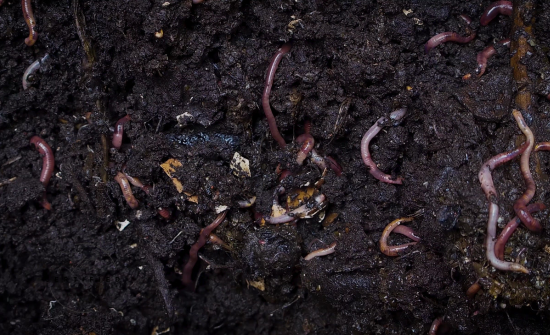
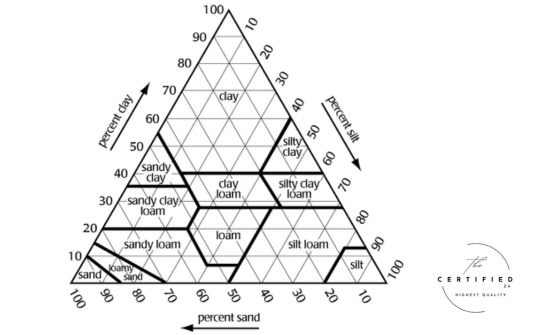
“Understanding Soil: The Foundation of Outdoor Growing” highlighted the importance of soil health and its direct impact on cannabis yields. We looked into the work of Dr. Elaine Ingham as well as the work done by Jeff Lowenfels on teaming up with Microbes. A book I highly recommend. 

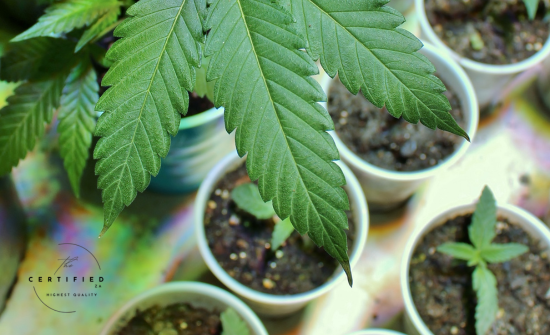
“Cannabis Plant Propagation” provided techniques for starting your grow with seeds or clones, catering to growers of all levels. These were all meant to give a basic understanding, we also touched on other topics in this area, including genetic selection as well as other parts of the propagation process. Like soil conditioning and composting 

Understanding Soil

Techniques and Innovations:

As the series progressed, we tackled specific methods to maximise plant health and productivity:

“Maximize Your Yields with Cannabis Training” explored LST, HST, and other strategies for improving yield and growing in limited spaces. A great blog for those that have no clue on training cannabis plants. 

“Integrated Pest Management in a Nutshell” offers sustainable solutions to protect your plants while preserving the ecosystem. In this section of our series we also focused more on Natural Farming techniques. How we can use what we have to maximise our growing potential and overall plant health. 

The Natural Farming takes up about 6 weeks of blogging and we are so happy with all the positive feedbackwe received. From the recipe sid to the concepts and considerations. We are ever grateful this setion of work was more popular than the rest this year. 

Advanced Cultivation Concepts:

For those looking to take their grow to the next level, we introduced:

“The Power of Micronutrients in Cannabis Cultivation” and “Watering Cannabis and Managing Nutrients,” which provided detailed insights into optimizing plant nutrition. We talkabout nuanced concepts that goes over the heads of growers who are not too serious andwe looked at how do weas serious cultivators understand the micros our plants require.

Environmental Control for Cannabis Cultivation” demonstrated how to create perfect growing conditions indoors, outdoors, and in greenhouses. Going overwhat growers cannot ignore when it comes to the environmental controls and how they should approach various situations. 

We also looked into newer cannabinoids that have been studied as well as we touched on terpenes and how they work. How cannabis users medically benefit from terpenes and more.

Environmental Control for Cannabis Cultivation

Cultural and Reflective Pieces:

We balanced technical knowledge with cultural and personal reflections. There were many cool things that happened like the Global cannabis march that we attended. Marching the streets. 

We asked cultural significant questions likeis Kaas baas? And we looked at why cannabis prices are always so HIGH… All feedback and comments to these were also so well recieved. The community loves knowing whats happening.

“Cannabis Sativa L: The People’s Plant” celebrated the history and versatility of cannabis, bridging industrial, medicinal, and cultural perspectives.

“Why Cannabis?” focused on the joy, community, and therapeutic value that cannabis brings to individuals and society. We even did a cool 4:20 post this year showcasing cool events happening all over our amazing country. 

We really wanna Thank You

Your engagement—reading, sharing, and applying these insights—has been the driving force behind these blogs. We’ve aimed to provide value, whether by teaching new techniques, inspiring sustainable practices, or fostering a sense of connection within the cannabis community. Asking culturally difficult questions and destigmatising cannabis is also a part of our objectives.

We are deeply grateful for your time and interest. Every comment, question, and shared story fuels this platform, making it a collaborative journey rather than a one-sided conversation.

Growing cannabis outdoors

What to Expect in the New Year

The upcoming year is brimming with opportunities to expand our horizons. Here’s a glimpse of what’s to come:

Advanced Topics: We will take deep dives into genetic breeding, advanced training methods, and optimizing harvest and curing techniques. We will examine the secrets to making cannabis commercially viable for growers and take more detailed approaches to topics we have discussed this year.

Sustainability: Exploring eco-friendly cannabis practices, from regenerative growing to reducing carbon footprints. Looking at companies that are ahead in the game and how we should be applying these practices in our spaces. We will look at the renewable energies linked to cannabis and discuss some out-of-the-norm concepts regarding cannabis sustainability.

Cannabis Culture: Highlighting community stories, celebrating South African cannabis heritage, and diving into the evolving global cannabis landscape. Perhaps we will do some interviews this year too. Whether you’re an experienced grower or just starting, the goal remains the same: to provide practical insights and inspiration to enhance your cannabis journey.

As we step into this new year, let’s carry forward the lessons we’ve learned and the connections we’ve built. Cannabis is more than just a plant—it’s a symbol of resilience, growth, and community. Together, we’ve laid a strong foundation, and the future holds endless possibilities for cultivation, creativity, and discovery.

Thank you for being part of this journey. Here’s to another year of learning, growing, and celebrating cannabis together. Wishing you a prosperous New Year filled with thriving plants, abundant harvests, and meaningful connections.