Posted on

The Role of CO₂ Enrichment in Cannabis Cultivation

Enrichment in Cannabis Cultivation

Unlocking the Next Level of Cannabis Cultivation

Throughout our series on cannabis cultivation, we’ve explored fundamental and advanced techniques to optimize plant health and yield. From environmental controls and lighting to nutrient management and harvesting, each step plays a crucial role in achieving high-quality results. Today, we will discuss CO₂ enrichment, and what that means for your cannabis. A supplement that more advanced growers use to take things to the Next Level.

Carbon dioxide (CO₂) is an essential component of photosynthesis, allowing plants to convert light into energy and biomass. Increasing CO₂ levels in a controlled environment can significantly boost growth rates, yield potential, and overall plant health. But mastering CO₂ enrichment requires a thorough understanding of its interactions with light, temperature, and humidity. We’ll break down some of the science, benefits, and practical applications of CO₂ enrichment, helping you decide if it’s the right approach for your grow setup.

The Science of CO₂ and Photosynthesis

Plants, including cannabis, use carbon dioxide during photosynthesis to produce sugars that fuel growth. The process occurs in the chloroplasts of leaf cells, where CO₂, water, and light combine to form glucose and oxygen. Plants can photosynthesise more efficiently in environments with higher CO₂ concentrations, leading to faster growth and higher yields.

Research shows that elevated CO₂ levels can significantly boost net photosynthesis (PN) and water use efficiency (WUE) in cannabis. In a study involving high-THC yielding varieties, a CO₂ concentration of 700 μmol mol−1 increased PN by up to 44% and WUE by as much as 191%, while also decreasing stomatal conductance (gs) and transpiration rate (E). This demonstrates a more efficient use of water while maximizing photosynthesis, a vital combination for robust plant growth.

Enrichment in Cannabis Cultivation

However, the effectiveness of CO₂ enrichment is not solely dependent on CO₂ levels. It also requires adequate light intensity and optimal temperatures to maximize photosynthesis. Studies show that cannabis can benefit from CO₂ levels up to 1,200–1,500 ppm when paired with intense lighting (e.g., 1,000 µmol·m²/s or more) and temperatures ranging from 24°C to 30°C. If CO₂ is increased without raising light levels, the plant may not fully utilize the additional carbon, wasting resources and potentially causing stress.

Benefits of CO₂ Enrichment

1. Increased Growth Rates and Yields

Elevating CO₂ levels can accelerate photosynthesis, allowing cannabis plants to grow larger and faster. This leads to denser buds, increased biomass, and enhanced resin production. Studies have shown yield increases of up to 20–30% when optimal CO₂ enrichment practices are employed.

2. Enhanced Cannabinoid and Terpene Production

Cannabis plants grown under elevated CO₂ conditions tend to produce higher concentrations of cannabinoids and terpenes. The enhanced metabolic activity promotes the synthesis of terpenoids and flavonoids, contributing to richer aromas and more potent effects.

3. Improved Stress Tolerance

CO₂-enriched plants exhibit greater resistance to environmental stressors, including heat stress and minor nutrient fluctuations. This makes them more resilient during periods of intense light or variable humidity. Additionally, CO₂ enrichment has been shown to decrease stomatal conductance and transpiration, which helps reduce water loss and improves overall water use efficiency. These traits are especially beneficial in environments prone to drought conditions, allowing cannabis to thrive where other crops might struggle.

Optimal CO₂ Levels for Cannabis

Vegetative Stage

During vegetative growth, cannabis can handle CO₂ levels between 800–1,000 ppm. The focus here is on rapid foliage development and strong stem growth. Even though these numbers are related to the study. Ambient CO₂ levels fluctuate. In outdoor open air, it ranges between 200 – 400 ppm and in more densely packed urban spaces, ambient CO₂ levels can fluctuate between 600 – 900 ppm. This in turn has the potential of making CO₂ enrichment during the vegetative stage less effective.

Flowering Stage

In the flowering phase, CO₂ levels can be increased to 1,200–1,500 ppm, especially when paired with high-intensity lighting. This ensures that bud density and resin production reach their full potential. However, CO₂ should be reduced during the final two weeks to avoid compromising flavor and quality. The balance towards the end is very crucial. It is important to note that this technique serves as an addition to your grow spaces and is not a main supplement.

Enrichment in Cannabis Cultivation

Avoiding CO₂ Overload

While CO₂ enrichment has benefits, excessive levels above 2,000 ppm can cause plant stress, reduced cannabinoid production, and metabolic imbalances. Additionally, suppose CO₂ levels are elevated without sufficient light intensity. In that case, the plants may not be able to use the excess carbon effectively, leading to diminished returns and potential stomatal closure, which can reduce gas exchange and negatively impact growth. Potentially creating mould. Careful monitoring is crucial to avoid detrimental effects.

Methods of CO₂ Enrichment

1. Compressed CO₂ Tanks

Compressed gas tanks deliver precise control and are suitable for indoor grows. These systems use regulators and timers to maintain consistent CO₂ levels. A more expensive solution, but as long as you set up your controls, understand what you need to achieve and have your room sealed properly, you can be reset assured this approach will boost production.

  • Pros: High accuracy, efficient for medium to large indoor setups.
  • Cons: Initial setup cost and the need for regular tank replacement.

2. CO₂ Generators

Burning propane or natural gas releases CO₂ as a byproduct. These generators are commonly used in commercial operations. Normally only used when it gets cold during the winter. This approach won’t work for most. However, it has been proven to work as long as the propane burning and exhaust systems are set up correctly. Greenhouses in areas like the Free State can benefit from this as it reaches below 8 degrees easily. Where as in KZN it might not be a solution at all.

  • Pros: Reliable and cost-effective for large-scale grows.
  • Cons: Generates heat, requiring robust ventilation systems and not a solution for all.
Enrichment in Cannabis Cultivation

3. Fermentation and Organic Methods

DIY options like yeast and sugar fermentation or compost-based CO₂ production are low-cost but less precise. There are even mycelium grow bags that you can hang inside your indoor grow tent. They will naturally produce CO₂ but are hard to monitor. A cool basic CO₂ fermentation you can do is to use a bottle of warm water, dissolve some sugar in it and add some yeast. You want to hang these above your plants as carbon dioxide will naturally settle to the ground.

  • Pros: Affordable and accessible.
  • Cons: Inconsistent output and potential for odor issues.

Implementing CO₂ Enrichment in Different Grow Setups

Indoor Grows

CO₂ enrichment works best in sealed environments where CO₂ can be consistently maintained. Integrating CO₂ monitors and automated release systems helps optimize levels without human intervention. This upgrade is for those that have their space dialed in and are ready to take things to the next level. Don’t level up to this phase if you are still trying to expand the flower room, figuring out nutrient regiments etc. 

Greenhouses

Due to ventilation requirements, balancing natural light with supplemental CO₂ can be challenging. Automated systems that sync with light and temperature controls are ideal for maintaining balanced conditions. These systems are mainly commercially viable solutions only. They allow for more sophistication in operations and higher quality outputs. The only drawback is that there is room for error, and people tend to compromise or forget protoco,l so these systems end up working against farmers in greenhouses. Just my 2 cents.

Outdoor Grows

Due to natural air exchange, the benefits of CO₂ enrichment are limited outdoors. Techniques like plant clustering and dense canopy management can help retain some CO₂ around plants. However, they are not the best methods. There are CO₂ tablets available that are water soluble, and these will have a benefit for the plants too. If you are outdoors growing organically, consider increasing your fungal activity in your soil. This will also increase your CO₂ production around the rhizosphere. 

Enrichment in Cannabis Cultivation

Elevating Cannabis Cultivation with CO₂

CO₂ enrichment represents the next step in advanced cannabis cultivation, allowing growers to maximize growth potential and yield. However, success requires careful monitoring, environmental control, and precise application to avoid stress and resource waste. For growers who have mastered the basics, implementing CO₂ enrichment can significantly boost productivity and plant quality, making it a valuable tool in the quest for the perfect harvest.

Let us know your experiences with CO₂ enrichment and how it has impacted your grow! 

Posted on

The Role of Light in Cannabis Cultivation: From Seed to Harvest

The Role of Light in Cannabis Cultivation: From Seed to Harvest

Light – The Driving Force Behind Cannabis Growth

Light is one of the most critical factors in cannabis cultivation, influencing everything from seed germination to cannabinoid production. As cannabis growers refine their cultivation techniques, understanding how different light spectrums, intensities, and cycles impact plant growth is essential. Whether growing indoors, outdoors, or in a greenhouse, selecting the right lighting system and managing photoperiods effectively can maximise yield, potency, and overall plant health.

In this article, we explore the science of light in cannabis cultivation, from its role in photosynthesis to advanced lighting technologies that enhance production. Whether you’re a home grower or a large-scale cultivator, these insights will help you make informed lighting decisions to optimise your cannabis crops.

The Science of Light and Cannabis Growth

Light is the primary energy source for cannabis, driving photosynthesis, the process by which plants convert light energy into chemical energy. Beyond photosynthesis, light also influences plant metabolism, hormone regulation, and cannabinoid biosynthesis. Different light spectrums play distinct roles at various stages of growth:

  • Blue Light (400–500 nm): Encourages compact, bushy vegetative growth by stimulating chlorophyll production and reducing internodal stretching.
  • Red Light (600–700 nm): Triggers flowering and bud development, increasing biomass and enhancing resin production.
  • Far-Red Light (700–750 nm): Plays a role in stem elongation and flowering acceleration, often used in light-deprivation techniques.
  • UV Light (280–400 nm): While high exposure can be harmful, controlled UV exposure can boost trichome production, enhancing terpene and cannabinoid content.

By adjusting light spectrums throughout the growth cycle, cultivators can manipulate plant morphology, improve potency, and increase overall yields.

Lighting Systems for Cannabis Cultivation

Different cultivation setups require different lighting technologies. Choosing the right system depends on factors such as energy efficiency, plant needs, and cost considerations.

1. High-Pressure Sodium (HPS) Lighting

  • Pros: High light intensity, effective for flowering due to strong red-spectrum output.
  • Cons: High energy consumption, excessive heat output, shorter lifespan.
  • Best for: Commercial indoor grows with proper ventilation and cooling systems.

2. Light-Emitting Diodes (LEDs)

  • Pros: Energy-efficient, full-spectrum capabilities, minimal heat generation, long lifespan.
  • Cons: Higher initial cost.
  • Best for: Home growers, small-scale indoor setups, and commercial operations looking to maximize energy efficiency.

3. Full-Spectrum Lighting

  • Pros: Provides a balance of blue and red light, mimicking natural sunlight.
  • Cons: Can be expensive depending on the brand and technology.
  • Best for: All growth stages, particularly for growers who want to fine-tune light spectrums.

For outdoor and greenhouse growers, supplemental lighting can extend daylight hours or compensate for low natural light conditions in winter months.

The Role of Light in Cannabis Cultivation: From Seed to Harvest

Light Cycles and Photoperiod Management

Cannabis plants can be categorized into two main types based on light cycle dependency:

  • Photoperiod Strains: Require specific light-to-dark ratios to trigger flowering.
  • Vegetative Stage: 18–24 hours of light per day.
  • Flowering Stage: 12 hours of light and 12 hours of uninterrupted darkness.
  • Autoflowering Strains: Do not depend on light cycles to flower; instead, they transition automatically based on age.

Typically grown under 18–20 hours of light throughout their lifecycle. Greenhouse growers often use light deprivation techniques—covering plants to control daylight exposure—to force flowering at desired times.

Light Stress and Plant Health

While light is essential for growth, too much or too little can cause plant stress. Managing light intensity and distribution is key to preventing issues like light burn and stretching.

1. Light Burn (Excessive Light Exposure)

  • Symptoms: Yellowing or bleaching of upper leaves, curling edges.
  • Prevention: Maintain proper light distance (especially with LEDs and HPS systems), use light movers to distribute intensity evenly.

2. Light Deprivation (Insufficient Light)

  • Symptoms: Weak stems, excessive stretching, slow growth.
  • Prevention: Use reflective surfaces to maximize light coverage, ensure correct PAR (Photosynthetically Active Radiation) levels.

UV light, when used in moderation, can increase resin production and cannabinoid content. However, excessive exposure can cause cellular damage, so UV supplementation should be carefully monitored.

Lighting for Different Growth Stages

Each phase of cannabis growth has different lighting requirements to optimise development:

1. Seedling Stage:

  • Light Requirement: Low-intensity light (200–400 PPFD).
  • Best Spectrum: Blue light to promote healthy root and leaf development.
  • Common Mistake: Using too much intensity, causing stress and stunted growth.

2. Vegetative Stage:

  • Light Requirement: High-intensity light (400–600 PPFD).
  • Best Spectrum: Blue-dominant light encourages compact, strong plant structure.
  • Adjustments: Longer light exposure (18–24 hours) enhances growth rates.

3. Flowering Stage:

  • Light Requirement: 600–900 PPFD.
  • Best Spectrum: Red and far-red light enhances bud formation and resin production.
  • Photoperiod Adjustment: 12-hour light/12-hour dark cycle for photoperiod strains.
The Role of Light in Cannabis Cultivation: From Seed to Harvest

How Light Intensity Affects Cannabis Growth and Yield

Cannabis cultivation has seen a surge in interest, especially with the legalization of medical and recreational use in many regions. One of the most critical factors influencing cannabis growth, yield, and quality is light intensity (LI). This blog post delves into the intricate relationship between light intensity and cannabis cultivation, focusing on how different light levels impact photosynthesis, yield, and potency.

The Importance of Light Intensity in Cannabis Cultivation

Light is the primary energy source for photosynthesis, the process by which plants convert light energy into chemical energy to fuel growth. For cannabis, light intensity plays a pivotal role in determining not only the quantity of the yield but also the quality of the final product.

  • Photosynthetic Photon Flux Density (PPFD): This is a measure of the number of photosynthetically active photons that reach a specific area per second. In cannabis cultivation, PPFD is a crucial metric for determining how much light the plant receives.
  • Daily Light Integral (DLI): This measures the total amount of light delivered to a plant over a 24-hour period. Cannabis plants require a specific DLI to achieve optimal growth and yield.

Cannabis yield increases linearly with increasing PPFD, even at extremely high light levels (up to 1,800 μmol·m⁻²·s⁻¹). This suggests that cannabis has a remarkable ability to utilize high light intensities for growth, unlike many other crops that reach a saturation point at lower light levels.

Light Intensity and Cannabis Yield

One of the most striking findings from the study is that cannabis yield increases linearly with light intensity, even at very high PPFD levels. This is contrary to the common belief that yield would plateau at a certain light intensity.

  • Yield Increase: The study found that dry inflorescence yield increased from 116 g·m⁻² at 120 μmol·m⁻²·s⁻¹ to 519 g·m⁻² at 1,800 μmol·m⁻²·s⁻¹. This represents a 4.5-fold increase in yield as light intensity increased.
  • Harvest Index: The harvest index, which is the ratio of inflorescence weight to total aboveground biomass, also increased linearly with light intensity. This means that not only does the total yield increase, but the proportion of marketable biomass (inflorescences) also improves.

This linear relationship between light intensity and yield suggests that cannabis growers can significantly boost their yields by increasing light levels, provided they can manage the associated costs.

The Role of Light in Cannabis Cultivation: From Seed to Harvest

Light Intensity and Cannabis Quality

While yield is a critical factor, the quality of the cannabis produced is equally important, especially for medicinal and recreational markets. The study found that light intensity also impacts the quality of cannabis inflorescences.

  • Inflorescence Density: The density of the apical inflorescence (the main cola) increased with higher light levels. Denser inflorescences are often preferred in the market as they are easier to process and have a more appealing appearance.
  • Terpene Potency: Terpenes are aromatic compounds that contribute to the flavor and aroma of cannabis. The study found that the potency of certain terpenes, such as myrcene and limonene, increased with higher light intensity. This could lead to cannabis with more pronounced aromas and flavors, which is desirable for both recreational and medicinal users.
  • Cannabinoid Potency: Interestingly, the study found no significant effect of light intensity on cannabinoid potency (e.g., THC, CBD). This means that while increasing light levels can boost yield and improve terpene profiles, it does not necessarily alter the cannabinoid content.

Leaf Photosynthesis and Light Intensity

Light intensity affects leaf-level photosynthesis in cannabis. While leaf photosynthesis is an important factor, it was found to be a poor predictor of whole-plant yield, especially at high light intensities.

  • Light Saturation Point (LSP): The LSP is the light intensity at which photosynthesis reaches its maximum rate. The study found that leaf photosynthesis saturated at much lower light levels (around 1,000 μmol·m⁻²·s⁻¹) compared to the whole-plant yield, which continued to increase up to 1,800 μmol·m⁻²·s⁻¹.
  • Temporal Variability: The study also found that leaf photosynthesis varied over time, with younger leaves showing higher photosynthetic rates than older leaves. This suggests that the age of the leaf and its light history play a significant role in its photosynthetic capacity.

This discrepancy between leaf-level and whole-plant responses to light intensity highlights the complexity of cannabis growth and the need for a holistic approach when optimizing light levels for cultivation.

The Role of Light in Cannabis Cultivation: From Seed to Harvest

Morphological Changes in Response to Light Intensity

Cannabis plants exhibit significant morphological changes in response to varying light intensities. These changes can affect both the plant’s structure and its ability to capture light efficiently.

  • Specific Leaf Weight (SLW): SLW, which is the dry weight of a leaf per unit area, increased with higher light intensity. This indicates that leaves become thicker and denser under high light conditions, which may help them capture more light and resist photoinhibition.
  • Plant Structure: Plants grown under higher light intensities tended to be shorter with thicker stems and smaller leaves. This compact structure is beneficial for indoor cultivation, where space is often limited.

These morphological changes are part of the plant’s acclimation to its light environment, allowing it to optimize light capture and utilization.

Economic Considerations for Growers

While increasing light intensity can significantly boost cannabis yield and quality, it also comes with higher energy costs. Growers must carefully balance the benefits of increased yield against the costs of providing higher light levels.

  • Energy Efficiency: While yield increases linearly with light intensity, energy efficiency (yield per unit of energy input) decreases at very high light levels. While growers can achieve higher yields, the cost per gram of cannabis may increase. This could mean that newer technology could be implemented to save on energy costs.
  • Optimal Light Intensity: The optimal light intensity for a grower will depend on their specific production environment, including factors like the cost of electricity, the size of the growing area, and the market value of the cannabis produced.

Future Research Directions

There are several avenues for future research, particularly in understanding how different cannabis cultivars respond to light intensity and how other environmental factors, such as CO₂ levels, interact with light to affect yield and quality.

  • Cultivar-Specific Responses: Future studies could explore how different cannabis cultivars (e.g., indica vs. sativa) respond to varying light intensities. This could help growers tailor their lighting strategies to specific strains.
  • CO₂ Enrichment: Since plant responses to elevated CO₂ can mirror those to increased light intensity, future research could investigate the combined effects of CO₂ and light intensity on cannabis yield and quality.
The Role of Light in Cannabis Cultivation: From Seed to Harvest

Lighting as the Key to High-Quality Cannabis

The role of light in cannabis cultivation is more than just providing energy for photosynthesis—it determines plant structure, terpene expression, cannabinoid production, and overall yield. By understanding light spectrums, managing photoperiods, and using the right lighting systems, growers can optimise their cultivation process from seed to harvest.

As technology evolves, innovations in lighting will further refine cannabis production, leading to higher efficiency, improved sustainability, and enhanced potency. Whether you’re a home grower or managing a commercial facility, mastering lighting strategies is essential for producing top-tier cannabis.

Posted on

Bud Washing: The Overlooked Step for Cleaner, Smoother Cannabis

Bud washing

As we continue our journey through harvesting, drying, and curing, it’s time to introduce an often-debated but increasingly popular step in post-harvest handling—bud washing. Over the past few weeks, we have covered everything from optimal harvest timing and drying techniques to post-harvest care, ensuring that growers can maximise potency and quality. 

But how clean is your cannabis?

Much like washing fresh produce before consumption, bud washing removes dust, debris, pests, and residues that may have accumulated on your flowers during cultivation. While some growers argue that washing could strip away cannabinoids and terpenes, research suggests that properly conducted bud washing preserves potency while enhancing cleanliness and flavour.

Today we look at why bud washing is becoming a standard post-harvest practice, its pros and cons, and how growers can successfully implement this technique to produce a cleaner, healthier final product.

Why Should You Wash Your Buds?

Cannabis is a sticky, resinous plant, which means it attracts everything in its environment. Like I mentioned before if you are growing outdoors, you are sending signals out to nature, and everything will want some of your cannabis. Whether grown indoors or outdoors, buds accumulate dust, airborne pollutants, insect eggs, and even residual pesticides or foliar sprays used during the cultivation process. Now most indoor growers will argue their spaces are spotless. I am not here to debate your willingness to eat off your growroom floor. 

Outdoor-grown cannabis faces additional contamination risks from soil, pollen, and environmental pollutants, while indoor-grown plants collect dust, mould spores, and microscopic debris from ventilation systems. When left unwashed, these contaminants end up in the final product, potentially altering the flavour, burning characteristics, and even the safety of consumption. 

Some growers move in between their cannabis with their pets, so it is also a good idea to consider budwashing when you have cats and dogs on your property. I don’t think anyone will appreciate finding a pet hair in their flowers… and trust me this happens.

bud washing

Bud washing offers a simple but effective solution:

  • Removes dust, soil, and airborne particles
  • Eliminates mites, insect eggs, and other pests
  • Washes away residual pesticides and sprays
  • Enhances flavour and terpene clarity

Does Bud Washing Affect Potency and Terpenes?

A common concern among growers is whether submerging buds in water will wash away cannabinoids and terpenes. However, studies show that cannabinoids like THC and CBD are hydrophobic, meaning they do not dissolve in water. Terpenes, though delicate, are mostly contained within the trichome resin glands, which are not easily water-soluble.

The key is gentle handling—when performed correctly, bud washing removes contaminants without stripping away valuable compounds. In fact, clean buds often produce smoother, purer smoke, as they are free from microscopic irritants and residues that can affect taste and throat harshness.

Bud Washing vs. Water Curing: Understanding the Differences

Bud washing is primarily used to clean the surface of harvested cannabis. It removes dust, debris, insect residue, and any lingering foliar sprays or environmental pollutants. This process does not impact the chemical composition of the buds themselves, as cannabinoids are hydrophobic, meaning they do not dissolve in water. The goal is to preserve terpenes and trichomes while improving the purity of the final product. Proper washing techniques ensure that buds retain their full aromatic complexity and potency while eliminating unwanted impurities.

Water curing, on the other hand, is a more intensive process that alters the internal chemical balance of the bud. This method involves submerging harvested buds in water for several days, allowing soluble compounds like chlorophyll, excess nutrients, and plant sugars to leach out. The result is a smoother smoke with reduced harshness, but at the cost of some terpene loss, leading to a less fragrant final product. Since terpenes contribute significantly to flavour and effects, water-cured cannabis may have a muted aroma and taste compared to traditionally cured buds.

How to Wash Your Buds

Proper bud washing requires careful execution to prevent moisture-related issues. The following multi-stage washing method is widely used among growers:

bud washing

Equipment Needed:

  • Three clean buckets – the size of these buckets will be determined by your harvest. The bigger the harvest, the bigger the buckets of water should be. For the sake of understanding the concept, I will be referring to 20L buckets.
  •  Room-temperature, purified water (reverse osmosis water preferred) – But Please don’t assume that it won’t be effective if you are using tap water or borehole water. Purified RO is just better. 
  • lemon juice (natural acidity helps break down contaminants)
  • baking soda (alkaline reaction assists in removing residues)
  • Some use hydrogen peroxide as an addition or instead of lemon juice and baking soda. Please take note of how you use hydrogen peroxide, most of us who get ours at hydroponic.co.za must remember that we need to dilute the solution first. For those that get the standard pharmacy version, I do believe that is already a diluted solution ready to use. 

Prepare the Buckets:

Bucket 1: Lemon juice & baking soda solution or hydrogen peroxide – the amounts will always vary for each person on how much they add. Growers are such eyeballers and there truly isn’t one way to skin the cat solution. Start with about half a cup of lemon juice and half a cup of baking soda.

Bucket 2: Clean water is used to rinse off and remove all the debris from the first bucket

Bucket 3: Final rinse, this ensures that you get rid of all access debris and contaminants 

It is really simple. Just dip and swirl the branch in the buckets progressively from the first bucket. Be gentle with it. Wash the branches for roughly 30 seconds at a time, shaking off as much access water as possible.

bud washing

Hang to Dry Immediately. Hang washed branches in a temperature-controlled drying room (45-55% Relative Humidity, 16-21°C) Ensuring proper air circulation to prevent mould formation. You might want to consider trimming some of the major fan leaves from the plant to ensure all the moisture can be removed evenly. Some would have wet-trimmed the flower first before doing the bud wash. To me, the bud wash is a step you can add, so yes trimming might take a day or two longer if you doing it dry but most consider it worth it.

I really have to mention this to all my growers. Once you do this and see for yourself what was on those flowers prior to you incorporating this step into your regiment it really is hard to go back. I do believe that is why bud-washing has gotten so much more popular over time. It is a difficult task to keep things spotless, grow amazing flowers and have a life. So for most, we try and keep our spaces mould-free and dust and dirt-free to a degree, but spotless is not a priority for most. So the bud wash really provides such an eye opener as well as relief to those who don’t have the capacity to keep things pristine.

Advantages of Bud Washing

Removes contaminants: Bud washing effectively eliminates dust, dirt, insect eggs, and residual pesticides that may have accumulated on the plant. This is particularly beneficial for outdoor-grown cannabis, which is more exposed to environmental pollutants.

Enhances flavour and terpene clarity: Clean cannabis preserves its intended aromatic profile, allowing terpenes to shine without interference from external contaminants.

Produces a smoother smoking experience: Residual debris and microscopic particles can cause harsh smoke, leading to throat irritation and an unpleasant consumption experience. Washing buds ensures a cleaner, smoother final product.

Reduces microbial contamination: Properly washed buds are less likely to contain mould spores, bacteria, or fungi that could develop post-harvest, particularly in high-humidity environments.

Disadvantages of Bud Washing

Prolong drying time: Since buds retain additional moisture after washing, they require a slightly longer drying period to ensure optimal curing conditions. Proper airflow and environmental control are necessary to avoid complications.

Not a solution for systemic mould or mildew: While washing can remove surface contaminants, it does not address deep-seated fungal infections that may have developed inside the plant tissue. If plants exhibit signs of mould during growth, removal rather than washing is the best course of action.

Risk of mould if dried improperly: Excess moisture left on buds after washing can lead to mould formation if drying conditions are not carefully managed. Maintaining a proper drying environment with adequate airflow and humidity control is essential to prevent these issues.

bud washing

Bud washing remains an underrated but essential step in cannabis post-harvest care. As more growers realize the benefits of removing contaminants, this technique is becoming increasingly popular in commercial and home cultivation.

For those who prioritize clean cannabis with enhanced flavour and smoother smoke, bud washing offers a simple yet effective solution. By integrating proper washing, drying, and curing techniques, growers can ensure that their buds retain their natural potency while eliminating unwanted residues.

Would you consider washing your buds after harvest?

Posted on

Sustainable Cannabis Cultivation: Eco-Friendly Practices

Sustainable Cannabis Cultivation

As the cannabis industry grows, so does its environmental impact. Energy-intensive indoor grows, water-hungry outdoor farms, and wasteful practices can take a toll on natural resources and farmers’ pockets. But this doesn’t have to be the case. By adopting sustainable cultivation methods, cannabis growers can reduce their carbon footprint while improving soil health, conserving water, and maintaining long-term profitability.

Today, we will explore key sustainability practices—from regenerative farming techniques to energy-efficient technologies—that every cannabis cultivator can implement. Whether you are a home grower or managing a large-scale operation, these eco-friendly strategies will help you cultivate cannabis responsibly while ensuring a healthier planet for future generations.

Our intent is for all growers to consider their environments more deeply. To figure out how they can increase productivity and efficiency but also reduce inputs and protect top-layer soils from erosion.

Why Sustainability Matters in Cannabis Cultivation

Traditional cannabis cultivation often requires excessive inputs, including synthetic fertilizers, high-intensity lighting, and continuous irrigation. Even organic farmers tend to be wasteful with inputs at times. Not knowing how adverse too much of a good thing can be. These factors contribute to soil degradation, water scarcity, and high energy consumption. However, the cannabis industry has the unique opportunity to be at the forefront of sustainable agricultural innovation. 

Simply due to the ease at which cannabis grows compared to other crops, farmers could drastically change techniques to improve overall sustainability practices. Saving money is truly a massive motivator for those who have never considered a more sustainable approach. Growers and farmers of larger operations are always running tight margins on crops. Sustainability really helps widen that bottom line for farmers. A serious benefit that they cannot ignore.

Sustainable Cannabis Cultivation

Regenerative Farming: Restoring Soil Health

Regenerative agriculture goes beyond sustainability—it actively improves soil structure, enhances microbial life, and builds organic matter. This approach aligns with the principles of soil microbiology outlined in Teaming with Microbes, emphasising the importance of the soil food web in nutrient cycling and plant resilience. We have written on this topic in various different blogs. So feel free to read more on this here

Most already participate in creating sustainable environments on their farms but are just not aware of how to incorporate all the factors. Many are doing the following in silos… But consider doing the following practices altogether.

  • Composting: Convert organic waste into nutrient-rich compost to enrich your soil. One of the most cost-effective methods for organic farmers to remain independent from extra nutrient costs. Knowing what type of compost, how to handle it and how to use it is just as important as having a massive compost heap. 
  • Cover Crops: Plant legumes, clover, or rye to prevent erosion, fix nitrogen, and add organic matter. Cover crops help prevent water loss on those hectic sunny days by providing shade to the topsoil. It also replenishes the soil with nutrients. Growing and chopping cover crops have truly changed the game. Cover cropping is also one of the most effective methods to prevent soil erosion. 
  • No-Till Farming: Avoid disturbing the soil to maintain microbial ecosystems and improve soil structure. We wrote about this in our Soil Food Web blog. But essentially not plowing the ground allows for life to thrive underneath the surface of the soil. Improving ecosystems and microbial and fungal networks. That all benefits the farmer. From reduction in watering to less nutrient input required. Establishing a no-till ecosystem can take time but is truly worth it.
  • Crop Rotation: Rotate cannabis with other crops to prevent nutrient depletion and break pest cycles. So many growers get into cannabis and do exactly what previous older-generation growers and farmers do. Monocropping. Causing extreme damage to soil, and ecosystems and increasing pests and diseases. It’s important to rotate crops. When out of season, consider growing other things too. During cannabis season, grow more than just cannabis. 
Sustainable Cannabis Cultivation

Water Conservation: Using Every Drop Wisely

Water is a precious resource, particularly in regions prone to drought. Sustainable cannabis cultivation must prioritise efficient water management to minimise waste and maintain soil health. Something that can be easily achieved with good effort and planning. Water is of the cause of utmost importance, similar to sunlight. Often times growers don’t plan or think about water treatment, and management. This leads to many other issues in the operation. Things like: too little water reserves, poor quality water and many wasted litres

  • Drip Irrigation: Delivers water directly to plant roots, reducing evaporation and runoff. Of course, it can come with its drawbacks. Driplines can clog up and break if exposed to too much direct sunlight etc. So maintenance of this becomes a priority. Thankfully it is such a cheap method to install for most growers. This saves lots of water. 
  • Rainwater Harvesting: Collect and store rainwater to supplement irrigation. This can turn out to be more expensive from the get-go for those who don’t already have some type of gutter system. Often jo-jo tanks are set by the gutter to collect rainwater, it is then filtered or irrigated straight to the plants.

A South African cannabis farm reduced its water consumption by 30% by implementing drip irrigation and rainwater harvesting, leading to improved plant health and increased yields.

Sustainable Cannabis Cultivation

Energy Efficiency: Powering Sustainable Cultivation

Indoor cannabis cultivation is energy-intensive due to artificial lighting, climate control systems, and ventilation. However, advancements in energy-efficient technologies make it possible to reduce electricity consumption without compromising plant health. The cost of energy can easily become an indoor grower’s nightmare. If you are growing with traditional HPS or Metal Halide lighting systems, you are paying an expensive electricity bill. Most of the time these light systems require extra things like cooling and dehumidifying of the spaces putting extra cost on everything. 

There are some ways to try and be more sustainable when growing indoors. Some growers consider the following:

  • LED Lighting: Use LEDs instead of high-pressure sodium (HPS) lights to reduce energy usage and heat output. Not only is LED technology less power intensive, but it also provides a more accurate spectrum output. They can be very expensive to get, but in the long run, will save money and energy
  • Renewable Energy Sources: Installing solar panels can help reduce dependence on the grid. It is however important to note that this is also a very expensive solution and can often not be met by an average grower. To put an entire grow operation off the grid is a feat but can be worth it on a more commercial operation. Or even just supplementing the fans and extraction units with it could help so much as those are things that run all the time.

Environmental Controls: Automate temperature, humidity, and CO2 levels for optimized energy use. Precision agriculture has become so popular in all niches. Cannabis cultivation is no exception. You can find amazing technology that can assist in environmental controls from switches to sensors that can automatically put equipment in optimal conditions. We have seen reports of efficiency increase by 65% due to such technology integrations.

Waste Reduction: Turning Byproducts into Resources

Cannabis cultivation generates significant plant waste, from trimmings to packaging materials. Rather than contributing to landfill waste, growers can implement sustainable waste management strategies. Recycling or reusing things in and around the growing areas will help increase sustainability practices. 

We have written in the past on Korean Natural Farming, and how it can be incorporated into your arsenal. All of these practices are very sustainable to the environment and can cost very little to the farmer. Making Fermented Plant juices from waste plant material is the best method to reduce direct plant waste but also bring maximum benefits to the plants. Reducing costs to the farmer too. Other cool waste fermentations can also be used to make a positive impact on the soil health and water retention of the operation. Culturing Indigenous microorganisms (IMO), and fermenting Oriental herbal Nutrients, can all help reduce water requirements, improve soil health and increase the effectiveness of a no-till farming technique.

Sustainable Cannabis Cultivation

Overcoming Challenges in Sustainable Cannabis Farming

While the benefits of sustainability are clear, many growers face challenges when trying to implement eco-friendly practices.

  • High Initial Costs: Renewable energy systems and water-efficient technologies require upfront investment. Most newer growers struggle to meet this capital requirement which forces them to stick with less sustainable practices, like we mentioned with the lighting.
  • Knowledge Gaps: There are so many who ignore the idea of being sustainable but there are just as many that are ignorant to it. The more we can increase farmers’ and grower’s knowledge of technology, and growing techniques, the better informed they become leading to more conscious growing outputs. Some growers are already doing sustainable farming practices but they are not doing it consistently enough to see the benefits.

So what can you do?

  • Start small—adopt one sustainable practice at a time. Understand your methodologies and learn to stay consistent.
  • Look into renewable energies. Finding a capital solution by accessing eco-friendly agricultural grants and financial aids can also help. We know that the Landbank of South Africa offers some type of financial aid to those looking to improve their farming by installing solar.
  • Join grower communities to exchange knowledge and experiences. Interact with more people. You will find that there is some great advice around the corner to make your cultivation journey so much better. You are not alone in your challenges, always remember that.
Sustainable Cannabis Cultivation

Growing Green for a Better Future

Sustainability in cannabis cultivation isn’t just a trend—it’s a necessity for long-term environmental and economic success. By implementing regenerative farming, conserving water, reducing energy consumption, and minimising waste, growers can cultivate high-quality cannabis while protecting the planet.

Every small step makes a difference. Whether you start by composting plant waste, switching to LED lighting, or investing in renewable energy, you’re contributing to a greener, more responsible industry. 

Posted on

Unlocking the Secrets of Cannabis Trichomes: The Powerhouses of Metabolite Production

Unlocking the Secrets of Cannabis Trichomes: The Powerhouses of Metabolite Production

In our journey through cannabis cultivation, we’ve explored the crucial aspects of growing, harvesting, drying, and curing. But at the heart of what makes cannabis unique—its potency, aroma, and therapeutic potential—lies a microscopic yet powerful structure: the glandular trichomes.

Trichomes are more than just the frosty coating on cannabis flowers; they are the primary sites for the production and storage of cannabinoids, terpenes, and flavonoids—the compounds responsible for cannabis’s therapeutic effects and sensory appeal. Understanding the complexity of trichome biology provides growers with insights into optimising cultivation techniques, harvesting methods, and post-harvest processes to preserve these delicate structures.

In this blog, we’ll delve into the science of cannabis trichomes, their types and functions, and how to maximise their production and preservation. We’ll also connect this to previous discussions on environmental controls and drying techniques. We have published some work on terpenes in the past, so feel free to review those blogs, too.

unlocking the secret of cannabis trichomes

What Are Trichomes?

Trichomes are small, hair-like structures found on the surface of cannabis leaves, stems, and flowers. They serve multiple functions, from protecting the plant against herbivores and UV radiation to producing the essential compounds that contribute to cannabis’s effects and flavour. Some aspects of the trichomes’ functions are still being studied as they are known to be misunderstood.

Cannabis trichomes fall into three primary categories:

Bulbous Trichomes: The smallest type, measuring 10-15 micrometres in diameter.

Found scattered across the plant’s surface, these trichomes provide a basic protective function but contain minimal cannabinoid production.

Capitate-Sessile Trichomes: Mid-sized trichomes with a stalk and glandular head.

Located primarily on sugar leaves and the surface of developing flowers, these trichomes contribute to the plant’s early metabolite production.

Capitate-Stalked Trichomes: The most abundant and significant trichomes in terms of cannabinoid production. Easily visible to the naked eye, these trichomes are concentrated on the flower’s surface and responsible for the majority of THC and CBD synthesis.

Recognizing the presence and density of these trichomes at different stages of the plant’s life cycle can help growers determine optimal harvesting times to maximize potency and quality. We discussed the Milky-amber ratio when we discussed harvest readiness.

unlocking the secret of cannabis trichomes

The Role of Trichomes in Metabolite Production

Cannabis trichomes are highly specialised biochemical factories where cannabinoids such as THC, CBD, and CBG are synthesised. Within the glandular head of capitate-stalked trichomes, specialised cells convert precursor compounds into cannabinoids and terpenes through complex enzymatic pathways.

There are many things that can have a direct effect on trichome production, the complexity of sugars and proteins being formed prior to the synthesis of the cannabinoids. Some factors influencing trichome development and cannabinoid biosynthesis include:

Genetics: Some strains naturally produce higher trichome densities and cannabinoid content due to their genetic makeup. Selecting the right cultivar is crucial for maximising trichome yield. Other parts of the genetic makeup will affect the production of essential carbohydrates such as polysaccharides and other complex sugars or glycoproteins.

Environmental Factors: As discussed in our blog on environmental control, factors such as light intensity, humidity, and temperature play significant roles in trichome formation. High-intensity UV light exposure has been shown to enhance trichome production by triggering the plant’s defence mechanisms.

Nutrient Management: Proper feeding schedules, including balanced macronutrients and micronutrients like magnesium and sulfur, promote resin production. Overfeeding or deficiencies can impact trichome health, leading to lower yields and compromised potency. The lack of or over stimuli of micronutrients has such an important role in the conversion process of making cannabinoids because these nutrients often act as the catalysts to the production.

Trichome Degradation and Preservation Strategies

Despite their importance, trichomes are incredibly fragile and susceptible to degradation due to environmental factors such as heat, light, and mechanical damage. Growers must adopt meticulous handling techniques to preserve trichome integrity throughout the cultivation and post-harvest process. There truly is nothing worse than having done all the work and losing all the appeal of flowers because of trichome degradation. Cannabis smells grassy or even has no good smell to it. Effects and also be sub-par 

unlocking the secret of cannabis trichomes

Understanding the Science Behind Trichome Formation

The formation of cannabis trichomes is a complex biological process influenced by genetic, environmental, and developmental factors. According to recent studies, trichome development is initiated during the flowering stage of the cannabis plant and is regulated by intricate cellular signalling pathways. The provided research highlights the structural and functional evolution of trichomes, revealing how specialized epidermal cells undergo differentiation to become resin-producing glands. These glandular trichomes form as outgrowths from the plant’s epidermis, driven by hormonal and genetic controls that dictate their distribution and density across different plant tissues.

Trichome formation begins with the activation of transcription factors, which regulate cell division and elongation at the microscopic level. As the trichome matures, it undergoes a transformation where biosynthetic enzymes within its glandular head begin producing secondary metabolites, such as cannabinoids and terpenes. These metabolites accumulate in secretory cavities, protected by the waxy cuticle of the trichome, which serves as a defence mechanism against environmental stressors such as UV radiation and herbivory. The research emphasizes that environmental factors such as light intensity and nutrient availability play significant roles in modulating trichome density and cannabinoid content, reinforcing the importance of controlled growing conditions in maximizing resin production.

Molecular Mechanisms Driving Trichome Function

On a molecular level, trichomes serve as highly specialized biochemical factories. The study highlights the role of key metabolic pathways, such as the methylerythritol phosphate (MEP) pathway, which is responsible for the biosynthesis of cannabinoids and terpenes. Within the glandular head, precursor molecules like geranyl pyrophosphate (GPP) are enzymatically converted into cannabinoids through a series of biochemical reactions catalyzed by enzymes such as THCA synthase and CBDA synthase. These enzymes operate within the secretory cells of the trichome, which are densely packed with specialized organelles, such as plastids and vesicles, to facilitate the production and transport of these metabolites.

The research also delves into the spatial organization of trichome cells, explaining how the internal architecture supports metabolite accumulation. A unique feature of glandular trichomes is their ability to sequester cannabinoids in lipid-rich vesicles, preventing self-toxicity to the plant while ensuring efficient storage and protection from oxidative degradation. Additionally, the document explores the dynamic nature of trichomes, noting that their metabolic activity peaks during the late flowering stage, aligning with the optimal harvest window for maximum potency.

Environmental Influence on Trichome Formation

The document further explores how environmental cues directly impact trichome development and metabolite biosynthesis. High-intensity light, particularly in the UV spectrum, has been shown to stimulate trichome density by triggering the plant’s stress response mechanisms. This adaptation enhances the synthesis of cannabinoids, which act as protective compounds against environmental stressors. I have seen growers use this discovery to their benefit by blasting their indoor setups with minor amounts of UV lights in between regular light cycles. Similarly, nutrient availability—especially micronutrients like magnesium and sulfur—plays a crucial role in supporting the enzymatic pathways involved in trichome development. The research emphasizes that controlled environmental conditions, including precise temperature and humidity levels, can significantly influence the overall yield and quality of resin production.

unlocking the secret of cannabis trichomes

Implications for Growers

For cultivators, these scientific insights provide valuable guidelines for optimizing trichome production. Understanding the genetic and environmental factors that regulate trichome formation enables growers to fine-tune their cultivation practices to enhance resin yield and quality. Whether through strategic light management, nutrient optimization, or careful environmental control, leveraging this knowledge can lead to higher-potency cannabis with richer terpene profiles. Moreover, the research underscores the importance of monitoring trichome development throughout the flowering phase to determine the ideal harvest time for maximum cannabinoid and terpene content. The more you know as a grower, the better you grow. Perhaps the growers who are deeply rooted in natural approaches will not be interested in this work. As for them, nature needs to take its cause and we are just here to facilitate that. Not directly influencing it. To others, like indoor growers, all they have is control of their systems. And so in that sense ensuring you optimise everything for production can become a game changer for growers on a small scale, and larger facilities altogether. 

Defoliation and Stress Techniques: Carefully removing fan leaves increases light exposure to bud sites, stimulating trichome production. Controlled stress methods such as light deprivation or moderate drought stress encourage the plant to produce more resin as a defence mechanism.

Supplementing with Organic Compounds: Natural additives like kelp extracts, molasses, and humic acids provide secondary metabolites that support trichome development.

Cold Shock Before Harvest: Lowering nighttime temperatures toward the end of the flowering phase can trigger increased trichome production as the plant protects itself from environmental changes.

The Future of Trichome Research and Applications

As cannabis research continues to evolve, so does our understanding of trichomes and their potential applications. Modern advancements in microscopy and biochemical analysis are revealing new insights into how trichomes function and how cultivation practices can be optimised for maximum resin production.

Furthermore, innovations in extraction techniques are allowing processors to isolate specific cannabinoids and terpenes more efficiently, paving the way for customized cannabis products tailored to individual preferences and medical needs. These types of innovations are also assisting in the lab, making it easier for those studying the plant to get under cellular layers and detect the changes or stabilities required for confirmation of the hypothesis set out. An example, just to be able to determine the polysaccharides the following was done. “To perform monosaccharide analysis on stalked glandular trichomes cell walls, metabolites were removed with sequential extractions of hexane, chloroform, ethanol and,

finally, acetone, leaving only 10% of the original fresh tissue weight. The extracted dry tissue was then hydrolyzed with sulfuric acid, and the trichome monosaccharide profiles were determined.”

unlocking the secret of cannabis trichomes

Trichomes are the cornerstone of cannabis quality, influencing everything from potency to aroma. Understanding their biology, optimizing cultivation practices, and employing careful post-harvest techniques can significantly impact the final product’s value. By integrating knowledge from environmental control, nutrient management, and harvesting strategies discussed in previous blogs, growers can ensure their cannabis reaches its full potential.

If you want to download the research paper itself click here.

Posted on

Mastering Drying and Trimming: Essential Steps in Post-Harvest Cannabis Cultivation

Mastering Drying and Trimming: Essential Steps in Post-Harvest Cannabis Cultivation
No Audio File Available. Weare experiencing software issues and will upload the audio ASAP.

As the cannabis cultivation journey progresses, we enter a pivotal phase—post-harvest processing. Last week, we explored the role of drying and curing in maximising the quality and potency of your harvest. This week, we’ll take a closer look at the art and science of drying and trimming cannabis, two critical steps that shape the final product’s quality, appeal, and therapeutic potential. Previously we have mentioned environmental controls and the importance of being able to regulate the space.

The Importance of Drying in Cannabis Cultivation

Drying is the first post-harvest step that stabilises cannabis by removing excess moisture. Proper drying preserves cannabinoids, terpenes, and overall product integrity while reducing the risk of mould or microbial contamination. According to research, maintaining specific conditions—temperatures between 16–21°C and relative humidity around 50–60%—ensures the preservation of volatile terpenes and the optimal conversion of acidic cannabinoids like THCA to THC​.

Innovative drying methods, such as microwave-infrared technology and solid-state microwave drying, offer faster and more energy-efficient alternatives to traditional hang-drying techniques. While these methods maintain comparable cannabinoid levels, they require careful adaptation to prevent terpene loss or trichome damage​. We will touch on this a bit more below. 

Over the many years, I have noticed so many different ways to go about these steps with so many varying results. I have stopped trying to give my 2c on the matter directly. All I wish is to explain the importance of the steps and why it is crucial to consider them. Let me know what methods you go about in your our growing journies, I am keen to hear from you.

Mastering Drying and Trimming: Essential Steps in Post-Harvest Cannabis Cultivation

Trimming: Wet vs. Dry—Understanding the Differences

Trimming involves removing excess leaves and stems from the cannabis flowers to improve their appearance and potency. While both wet and dry trimming achieve similar outcomes, their methodologies vary:

Wet Trimming:

Wet trimming involves removing the fan leaves and sugar leaves from cannabis flowers immediately after harvesting, while the plant material is still fresh and moist. This method offers specific benefits and creates unique conditions that influence the drying and curing processes.

Moisture Removal at the Start: Wet trimming eliminates much of the plant’s water-laden foliage at the outset, which helps reduce the overall moisture content of the harvested material. By removing fan leaves before drying, growers minimize the risk of moisture pockets forming around dense buds, which can lead to mould or mildew.

Enhanced Airflow for Drying: Trimming wet cannabis exposes the buds directly to airflow during the drying stage, ensuring a more uniform drying process. Without the extra foliage, air circulates more freely around the flowers, reducing drying times and helping to stabilize humidity levels in the drying environment.

Impact on Trichomes: When trimming fresh buds, trichomes—the resinous structures containing cannabinoids and terpenes—are more pliable due to the high moisture content. This reduces the risk of trichome damage or loss during handling. However, excessive or careless handling during wet trimming can still cause bruising or degradation of delicate trichomes.

Simpler Cleanup and Efficiency: Wet trimming tends to be faster and less labour-intensive than dry trimming because fresh plant material is more manageable and doesn’t crumble or stick to tools as much. This is not to say that it is not a sticky process at times. The processes of wet trimming can also occur a day before harvesting, with some growers using the last day or so to start removing big fan leaves, making the harvesting and actual trimming a bit easier. Additionally, the removed leaves are fresh and can be repurposed immediately for extracts or composting, enhancing efficiency.

While wet trimming creates a streamlined drying process, it also removes some of the natural “moisture barriers” that leaves provide, potentially speeding up the drying phase too much if environmental conditions aren’t carefully controlled. As a result, growers must closely monitor temperature and humidity to avoid over-drying or terpene loss. Wet trimming is especially favoured for large-scale operations where time and space optimization are critical.

Mastering Drying and Trimming: Essential Steps in Post-Harvest Cannabis Cultivation

Dry Trimming:

Dry trimming is the process of removing excess leaves from cannabis flowers after the plant has been fully dried. This method allows the buds to retain more of their natural moisture during the drying process, which can have significant effects on quality, terpene retention, and the overall structure of the final product.

Preservation of Terpenes During Drying: By leaving fan and sugar leaves intact during the drying stage, the outer layers of foliage act as a natural barrier, protecting the delicate trichomes and terpenes from excessive exposure to air, light, and handling. This helps to slow the drying process, creating an environment where terpenes are less likely to evaporate prematurely, resulting in a richer aroma and flavour profile in the final product.

Moisture Retention for Controlled Drying: With dry trimming, the leaves shield the buds, slowing down moisture evaporation and contributing to a more gradual drying phase. This extended drying time can enhance the chemical complexity of cannabinoids and terpenes while reducing the harshness of the smoke or vapour.

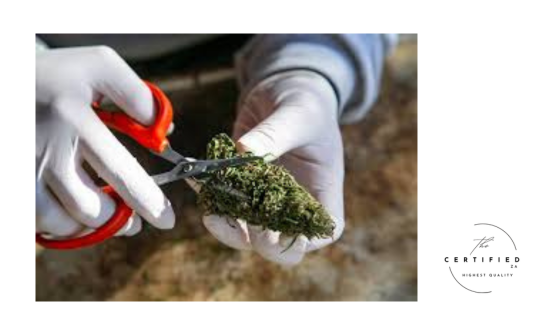
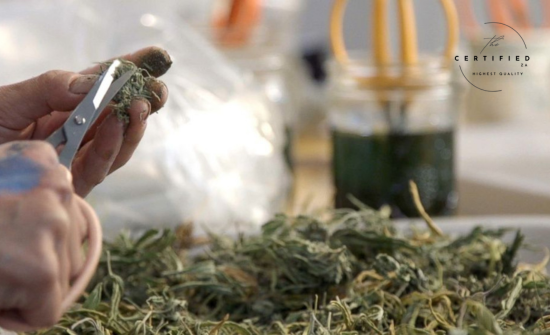
Handling Trichomes: Once the cannabis is dried, trichomes become more brittle and can easily detach from the buds during handling. Dry trimming requires extra care to avoid damaging or losing these resinous glands, which contain the plant’s active compounds. Proper tools and techniques, such as using sharp scissors and minimizing pressure on the buds, are essential to preserving trichome integrity.

Time and Labour Considerations: While dry trimming can enhance quality, it is generally more labour-intensive than wet trimming. The dried leaves can be harder to cut and may stick to tools, requiring frequent cleaning. However, this method is often preferred by growers who prioritize terpene preservation and bud aesthetics over time efficiency. Often referred to as ‘Trim Jail’ by many, dry trimming can either be extremely therapeutic or very painstaking. Personally, I have found it to be torture and I hate it. Yet, it is the method of choice for me too. 

Dry trimming is ideal for growers who want to emphasize the natural essence of their cannabis, creating a product with superior aroma, flavour, and visual appeal. However, it requires patience and a controlled drying environment to achieve the best results, making it a technique that rewards careful craftsmanship.

Studies reveal a trade-off between the two: wet trimming prioritizes cannabinoid preservation, while dry trimming emphasizes terpene retention. Growers must assess their goals to determine which method aligns best with their desired outcomes​.

Mastering Drying and Trimming: Essential Steps in Post-Harvest Cannabis Cultivation

Optimizing Drying Spaces:

Ensure adequate airflow using fans or dehumidifiers to avoid moisture buildup and uneven drying. Implement proper lighting controls to reduce exposure to UV rays, which can degrade cannabinoids and terpenes​. Read up more on our blog last week to understand the importance of all these things. 

Hang-Drying for Optimal Results

Hang-drying is the traditional and most widely used method for drying cannabis due to its simplicity and effectiveness. This technique involves suspending cannabis plants upside-down in a controlled environment, allowing airflow to naturally wick away moisture from the buds. 

For large plant sections, such as branches, it’s essential to remove excess fan leaves before hanging to improve airflow and reduce drying time. These sections should be trimmed evenly to avoid overly dense areas that could retain moisture and encourage microbial growth. For growers opting to hang entire plants, ensure adequate spacing between plants to allow air circulation around the canopy. This method slows the drying process slightly, which can enhance terpene preservation and improve the overall quality of the final product.

Microwave-Infrared Drying: A Modern Alternative

Microwave-infrared drying is an innovative technique gaining traction in cannabis production, especially among commercial growers. This method uses a combination of microwave energy and infrared radiation to remove moisture rapidly while preserving cannabinoids and terpenes. The microwaves heat the water molecules inside the plant material, causing them to evaporate, while the infrared radiation evenly distributes heat, preventing hot spots and maintaining the structural integrity of the buds.

This approach significantly reduces drying times—from days to mere hours—making it an attractive option for large-scale operations. However, the initial investment can be substantial. Microwave-infrared drying systems typically range from $10,000 to $50,000 or more, depending on capacity and features. While this cost may be prohibitive for small growers, the efficiency and scalability make it a viable solution for commercial enterprises looking to streamline their post-harvest processes.

Both traditional and modern drying techniques offer unique advantages, and growers must weigh their resources, goals, and scale to choose the method that best suits their needs.

Microbial Control

Recent studies highlight the importance of regulating yeast and mould levels during drying. Factors like genotype, humidity, and airflow play a significant role in reducing microbial growth and ensuring product safety. For dry trimmers, ensuring correct monitoring practices and checks are important. Microbial issues are more prone in this method than wet trimming, however, there are other things to watch out for in that regard. 

Mastering Drying and Trimming: Essential Steps in Post-Harvest Cannabis Cultivation

The Craftsmanship Behind Trimming

Whether you choose wet or dry trimming, attention to detail remains paramount. Hand-trimming allows for precision and minimizes damage to trichomes, but it’s labour-intensive. Without a doubt, if you take your time to develop technique and patience you to will have manicured flowers like in the movies. Mechanical trimmers provide efficiency but may compromise quality if not handled properly. Sometimes better suited for wet trimming methods, but recently many companies have adapted their rigs to handle both wet and dry trimming. Balancing these approaches with your operational scale and product goals is essential for success.

Mastering Drying and Trimming: Essential Steps in Post-Harvest Cannabis Cultivation

Drying and trimming are where the artistry of cultivation meets scientific precision. Whether you’re drying in a traditional hang-dry room exploring advanced microwave technologies, or trimming wet or dry, your choices will define your cannabis product’s final quality. By tailoring these processes to align with your goals—whether maximizing cannabinoids, terpenes, or aesthetic appeal—you set the stage for a premium end product that reflects your dedication and expertise.

Next week, we’ll delve deeper into advanced curing techniques, exploring how slow, controlled maturation unlocks the full potential of your cannabis. Until then, embrace the journey and celebrate each step as a testament to your craft.

Posted on

Drying and Curing Cannabis: The Art of Post-Harvest Perfection

Drying and Curing Cannabis: The Art of Post-Harvest Perfection
MInor issues with current audio file

As we turn the page to another chapter in our cannabis cultivation journey, it’s time to explore one of the most crucial post-harvest stages: drying and curing. These processes define the quality, potency, and overall experience of your final product. Last week, we reflected on the dynamic relationship between cannabis and hemp, bridging our understanding of its versatility. This week, we focus on how growers can harness the art and science of drying and curing to preserve the best of what cannabis has to offer.

Drying and Curing: Understanding the Differences

Though often mentioned in tandem, drying and curing serve distinct roles in post-harvest processing:

Drying: This initial step removes excess moisture from the harvested cannabis to prevent mould and decay. Proper drying stabilizes the plant material, preparing it for long-term storage and further processing. According to recent studies, factors like temperature, humidity, and airflow significantly influence the retention of cannabinoids and terpenes during drying​

Curing: Curing comes after drying and involves slow maturation of the cannabis in controlled conditions. This process enhances the chemical complexity of the cannabinoids and terpenes while improving flavour, aroma, and smoothness. It’s akin to ageing fine wine—patience is key for premium results​

Drying and Curing Cannabis: The Art of Post-Harvest Perfection As we turn the page to another chapter in our cannabis cultivation journey, it’s time to explore one of the most crucial post-harvest stages: drying and curing. These processes define the quality, potency, and overall experience of your final product. Last week, we reflected on the dynamic relationship between cannabis and hemp, bridging our understanding of its versatility. This week, we focus on how growers can harness the art and science of drying and curing to preserve the best of what cannabis has to offer. Drying and Curing: Understanding the Differences Though often mentioned in tandem, drying and curing serve distinct roles in post-harvest processing: Drying: This initial step removes excess moisture from the harvested cannabis to prevent mould and decay. Proper drying stabilizes the plant material, preparing it for long-term storage and further processing. According to recent studies, factors like temperature, humidity, and airflow significantly influence the retention of cannabinoids and terpenes during drying​ Curing: Curing comes after drying and involves slow maturation of the cannabis in controlled conditions. This process enhances the chemical complexity of the cannabinoids and terpenes while improving flavour, aroma, and smoothness. It’s akin to ageing fine wine—patience is key for premium results​ ​ Key Components for Success To master drying and curing, growers must carefully balance several critical factors. This can take many seasons to figure out and it is important to recognise that when you are just getting started being in control of all factors can be tricky. Try and get the following down. Harvest Timing Timing is everything. Trichome maturity dictates the peak potency and flavour profile. Harvesting too early or late can drastically affect the final quality​. There are many ways to determine harvest readiness. When looking at an overall bro-science approach, growers check trichomes on flowers with a jeweller loop. Looking at the concentration of trichomes and their maturity, some want to see a ratio of 10% amber to milky trichomes when looking at a selected area on the plant. Drying Environment Room Size: The space in which you decide to do your post-harvesting is crucial. The room needs to be clean, dry, and dark. You also need to consider the overall space of the room compared to your harvest. Cramming too much produce in a room can cause issues, as can having too much space for not that much produce. Temperature: Optimal ranges between 16–21°C to avoid terpene evaporation while ensuring moisture reduction. This too can be easier said than done. Most times growers select a space that they have the least control over and or is in too much direct sunlight. Your temps can be controlled by an A/C unit too, but consider what it would do to your electricity bill and if the size of the Aircon unit you can afford will work for your room. Humidity: Keeping relative humidity (RH) at 50–60% minimises mould risk and promotes even drying. This will also ensure that your curing process is more stable and consistent. When relative humidity fluctuates too much during drying, the problems it can cause, even in ideal temperatures, cannot be ignored. It's so important not to have drastic changes in these. Airflow: Gentle circulation prevents moisture buildup without damaging the trichomes, the tiny structures rich in cannabinoids and terpenes​. It also helps avoid mould, but if done incorrectly, it can aid in drying the cannabis too fast, which can cause flavour and effect imbalances. . Curing Process Use airtight containers like glass jars to retain the terpene profile and cannabinoids while controlling residual moisture. This process should take time. There is no need to rush the curing process as it is the last effort required to lock in all the goodness the flower has to offer. I always say, there are a thousand ways to skin a cat. And when I look at different growers doing different drying and curing techniques it's hard to just say this is wrong and this is best. What all growers are trying to achieve during the process is the same. As long as you have an understanding of what it is you are trying to achieve, your methods to your madness are your own. Some people burp jars in the first few weeks to let the last moisture out of the jars and to ensure no mould can fester on the inside. This slower release of moisture in the jars aids in the curing process resulting in a smoother smoke. Other growers will say if the flower is releasing moisture then you havent dried it correctly…You decide which is which. . Considerations for Growers Space Planning Whether cultivating indoors, outdoors, or in a greenhouse, drying and curing requires dedicated, controlled environments. Consider modular drying racks or customized climate chambers for efficiency​. Make sure you have enough space prior to you growing the cannabis. Know what the drying and curing capacity is of your space will also create less stress. There is nothing worse than not having enough space for all your cannabis. YOu will end up ruining all your cultivation efforts just due to lack of space or excitement to plant, whichever way you want to look at it. Cultivar-Specific Approaches Each strain or chemovar responds differently to drying conditions. Research suggests that controlled atmosphere chambers tailored to the cultivar’s chemical composition can optimize cannabinoid and terpene retention​. I don’t doubt that this is a bit more advanced know how and that not everyone will grasp this. But if you are learning from previous harvests then optimising your room from previous settings will only make your results better. . Scalability and Efficiency Large-scale growers may benefit from integrating innovative methods like vacuum-microwave drying or controlled nitrogen environments to reduce processing time while preserving quality​. On large scale operations it is important that things flow consistantly, and not having space is not an option, So for those that can afford this investment it really is a gam changer. The Role of Science in cannabis drying and curing Drying and curing cannabis is where science meets art, blending precise environmental controls with intuitive craftsmanship honed through experience. Each stage is a delicate balance of preserving the plant’s biochemical integrity while enhancing its sensory and medicinal qualities. The Foundation of Precision Scientific research provides invaluable insights into the optimal conditions for drying and curing cannabis. Key studies highlight how cannabinoids and terpenes—critical to the plant’s potency, flavour, and therapeutic effects—are highly sensitive to temperature, humidity, and oxygen exposure. For example: Cannabinoid Preservation: THC and CBD degrade under excessive heat or prolonged light exposure. Scientific studies recommend temperatures between 16–21°C to stabilize these compounds during drying. Terpene Retention: Terpenes, which are volatile organic compounds, evaporate easily if temperatures exceed 21°C or if the airflow is too strong. Controlled drying environments minimize this loss, ensuring the final product retains its distinctive aroma and effects. Curing Chemistry: During curing, residual moisture evaporates slowly, and cannabinoids continue to mature. This process enhances the smoothness and complexity of the smoke or vapour, with studies showing that extended curing can increase the conversion of inactive cannabinoid precursors into their active forms. Science also drives innovation. Techniques like vacuum-microwave drying and controlled-atmosphere curing chambers are emerging as tools to streamline these processes while preserving quality. These advancements ensure consistency, scalability, and efficiency—qualities essential for commercial cannabis production. Craftsmanship: The Art of Mastery While science provides the foundation, craftsmanship transforms cannabis drying and curing into an art form. Experienced growers develop an intuitive understanding of their plants, tailoring drying and curing methods to bring out the best in each cultivar. Cultivar-Specific Adjustments: Every cannabis strain has a unique chemical profile, and no two cultivars respond identically to drying and curing conditions. Skilled growers assess factors like bud density, terpene profiles, and resin production to adjust airflow, temperature, and humidity levels accordingly. Tactile Expertise: The ability to "read" a plant’s readiness for the next stage—whether it’s the snap of a stem during drying or the texture of buds during curing—is an invaluable skill honed through practice. This tactile approach ensures that the product is neither over-dried nor under-cured, preserving its optimal quality. The Element of Patience: Unlike the fast-paced nature of cultivation, curing requires patience. Master growers understand that rushing this process can compromise the flavour, potency, and overall experience. Their dedication to the craft ensures that every jar opened by a consumer delivers the intended quality. There are some growing cups that only permits flower that has been cured for a minimum of 6 months. So just think about that. Synergy of Science and Art The true magic of drying and curing lies in the synergy of science and craftsmanship. While scientific principles establish the parameters for success, it is the grower’s hands-on approach and experience that ensures the process achieves its full potential. As cannabis growers, the drying and curing stages are where your hard work truly transforms into a masterpiece. By understanding the nuances of these processes and tailoring them to your specific environment and strains, you can ensure top-tier quality in every harvest. Next week, we’ll delve deeper into the advanced techniques and technologies reshaping the drying and curing landscape. We will talk about wet trimming and dry trimming. Things like the box dryer and even the Curidor. Until then, remember: cannabis cultivation is a blend of science, craftsmanship, and passion—just like drying and curing, it’s all about finding the perfect balance.

Key Components for Success

To master drying and curing, growers must carefully balance several critical factors. This can take many seasons to figure out and it is important to recognise that when you are just getting started being in control of all factors can be tricky. Try and get the following down.

Harvest Timing

Timing is everything. Trichome maturity dictates the peak potency and flavour profile. Harvesting too early or late can drastically affect the final quality​. There are many ways to determine harvest readiness. When looking at an overall bro-science approach, growers check trichomes on flowers with a jeweller loop. Looking at the concentration of trichomes and their maturity, some want to see a ratio of 10% amber to milky trichomes when looking at a selected area on the plant. 

Drying Environment

Room Size: The space in which you decide to do your post-harvesting is crucial. The room needs to be clean, dry, and dark. You also need to consider the overall space of the room compared to your harvest. Cramming too much produce in a room can cause issues, as can having too much space for not that much produce. 

Temperature: Optimal ranges between 16–21°C to avoid terpene evaporation while ensuring moisture reduction. This too can be easier said than done. Most times growers select a space that they have the least control over and or is in too much direct sunlight. Your temps can be controlled by an A/C unit too, but consider what it would do to your electricity bill and if the size of the Aircon unit you can afford will work for your room. 

Humidity: Keeping relative humidity (RH) at 50–60% minimises mould risk and promotes even drying. This will also ensure that your curing process is more stable and consistent. When relative humidity fluctuates too much during drying, the problems it can cause, even in ideal temperatures, cannot be ignored. It’s so important not to have drastic changes in these. 

Airflow: Gentle circulation prevents moisture buildup without damaging the trichomes, the tiny structures rich in cannabinoids and terpenes. It also helps avoid mould, but if done incorrectly, it can aid in drying the cannabis too fast, which can cause flavour and effect imbalances.

Drying and Curing Cannabis: The Art of Post-Harvest Perfection As we turn the page to another chapter in our cannabis cultivation journey, it’s time to explore one of the most crucial post-harvest stages: drying and curing. These processes define the quality, potency, and overall experience of your final product. Last week, we reflected on the dynamic relationship between cannabis and hemp, bridging our understanding of its versatility. This week, we focus on how growers can harness the art and science of drying and curing to preserve the best of what cannabis has to offer. Drying and Curing: Understanding the Differences Though often mentioned in tandem, drying and curing serve distinct roles in post-harvest processing: Drying: This initial step removes excess moisture from the harvested cannabis to prevent mould and decay. Proper drying stabilizes the plant material, preparing it for long-term storage and further processing. According to recent studies, factors like temperature, humidity, and airflow significantly influence the retention of cannabinoids and terpenes during drying​ Curing: Curing comes after drying and involves slow maturation of the cannabis in controlled conditions. This process enhances the chemical complexity of the cannabinoids and terpenes while improving flavour, aroma, and smoothness. It’s akin to ageing fine wine—patience is key for premium results​ ​ Key Components for Success To master drying and curing, growers must carefully balance several critical factors. This can take many seasons to figure out and it is important to recognise that when you are just getting started being in control of all factors can be tricky. Try and get the following down. Harvest Timing Timing is everything. Trichome maturity dictates the peak potency and flavour profile. Harvesting too early or late can drastically affect the final quality​. There are many ways to determine harvest readiness. When looking at an overall bro-science approach, growers check trichomes on flowers with a jeweller loop. Looking at the concentration of trichomes and their maturity, some want to see a ratio of 10% amber to milky trichomes when looking at a selected area on the plant. Drying Environment Room Size: The space in which you decide to do your post-harvesting is crucial. The room needs to be clean, dry, and dark. You also need to consider the overall space of the room compared to your harvest. Cramming too much produce in a room can cause issues, as can having too much space for not that much produce. Temperature: Optimal ranges between 16–21°C to avoid terpene evaporation while ensuring moisture reduction. This too can be easier said than done. Most times growers select a space that they have the least control over and or is in too much direct sunlight. Your temps can be controlled by an A/C unit too, but consider what it would do to your electricity bill and if the size of the Aircon unit you can afford will work for your room. Humidity: Keeping relative humidity (RH) at 50–60% minimises mould risk and promotes even drying. This will also ensure that your curing process is more stable and consistent. When relative humidity fluctuates too much during drying, the problems it can cause, even in ideal temperatures, cannot be ignored. It's so important not to have drastic changes in these. Airflow: Gentle circulation prevents moisture buildup without damaging the trichomes, the tiny structures rich in cannabinoids and terpenes​. It also helps avoid mould, but if done incorrectly, it can aid in drying the cannabis too fast, which can cause flavour and effect imbalances. . Curing Process Use airtight containers like glass jars to retain the terpene profile and cannabinoids while controlling residual moisture. This process should take time. There is no need to rush the curing process as it is the last effort required to lock in all the goodness the flower has to offer. I always say, there are a thousand ways to skin a cat. And when I look at different growers doing different drying and curing techniques it's hard to just say this is wrong and this is best. What all growers are trying to achieve during the process is the same. As long as you have an understanding of what it is you are trying to achieve, your methods to your madness are your own. Some people burp jars in the first few weeks to let the last moisture out of the jars and to ensure no mould can fester on the inside. This slower release of moisture in the jars aids in the curing process resulting in a smoother smoke. Other growers will say if the flower is releasing moisture then you havent dried it correctly…You decide which is which. . Considerations for Growers Space Planning Whether cultivating indoors, outdoors, or in a greenhouse, drying and curing requires dedicated, controlled environments. Consider modular drying racks or customized climate chambers for efficiency​. Make sure you have enough space prior to you growing the cannabis. Know what the drying and curing capacity is of your space will also create less stress. There is nothing worse than not having enough space for all your cannabis. YOu will end up ruining all your cultivation efforts just due to lack of space or excitement to plant, whichever way you want to look at it. Cultivar-Specific Approaches Each strain or chemovar responds differently to drying conditions. Research suggests that controlled atmosphere chambers tailored to the cultivar’s chemical composition can optimize cannabinoid and terpene retention​. I don’t doubt that this is a bit more advanced know how and that not everyone will grasp this. But if you are learning from previous harvests then optimising your room from previous settings will only make your results better. . Scalability and Efficiency Large-scale growers may benefit from integrating innovative methods like vacuum-microwave drying or controlled nitrogen environments to reduce processing time while preserving quality​. On large scale operations it is important that things flow consistantly, and not having space is not an option, So for those that can afford this investment it really is a gam changer. The Role of Science in cannabis drying and curing Drying and curing cannabis is where science meets art, blending precise environmental controls with intuitive craftsmanship honed through experience. Each stage is a delicate balance of preserving the plant’s biochemical integrity while enhancing its sensory and medicinal qualities. The Foundation of Precision Scientific research provides invaluable insights into the optimal conditions for drying and curing cannabis. Key studies highlight how cannabinoids and terpenes—critical to the plant’s potency, flavour, and therapeutic effects—are highly sensitive to temperature, humidity, and oxygen exposure. For example: Cannabinoid Preservation: THC and CBD degrade under excessive heat or prolonged light exposure. Scientific studies recommend temperatures between 16–21°C to stabilize these compounds during drying. Terpene Retention: Terpenes, which are volatile organic compounds, evaporate easily if temperatures exceed 21°C or if the airflow is too strong. Controlled drying environments minimize this loss, ensuring the final product retains its distinctive aroma and effects. Curing Chemistry: During curing, residual moisture evaporates slowly, and cannabinoids continue to mature. This process enhances the smoothness and complexity of the smoke or vapour, with studies showing that extended curing can increase the conversion of inactive cannabinoid precursors into their active forms. Science also drives innovation. Techniques like vacuum-microwave drying and controlled-atmosphere curing chambers are emerging as tools to streamline these processes while preserving quality. These advancements ensure consistency, scalability, and efficiency—qualities essential for commercial cannabis production. Craftsmanship: The Art of Mastery While science provides the foundation, craftsmanship transforms cannabis drying and curing into an art form. Experienced growers develop an intuitive understanding of their plants, tailoring drying and curing methods to bring out the best in each cultivar. Cultivar-Specific Adjustments: Every cannabis strain has a unique chemical profile, and no two cultivars respond identically to drying and curing conditions. Skilled growers assess factors like bud density, terpene profiles, and resin production to adjust airflow, temperature, and humidity levels accordingly. Tactile Expertise: The ability to "read" a plant’s readiness for the next stage—whether it’s the snap of a stem during drying or the texture of buds during curing—is an invaluable skill honed through practice. This tactile approach ensures that the product is neither over-dried nor under-cured, preserving its optimal quality. The Element of Patience: Unlike the fast-paced nature of cultivation, curing requires patience. Master growers understand that rushing this process can compromise the flavour, potency, and overall experience. Their dedication to the craft ensures that every jar opened by a consumer delivers the intended quality. There are some growing cups that only permits flower that has been cured for a minimum of 6 months. So just think about that. Synergy of Science and Art The true magic of drying and curing lies in the synergy of science and craftsmanship. While scientific principles establish the parameters for success, it is the grower’s hands-on approach and experience that ensures the process achieves its full potential. As cannabis growers, the drying and curing stages are where your hard work truly transforms into a masterpiece. By understanding the nuances of these processes and tailoring them to your specific environment and strains, you can ensure top-tier quality in every harvest. Next week, we’ll delve deeper into the advanced techniques and technologies reshaping the drying and curing landscape. We will talk about wet trimming and dry trimming. Things like the box dryer and even the Curidor. Until then, remember: cannabis cultivation is a blend of science, craftsmanship, and passion—just like drying and curing, it’s all about finding the perfect balance.

Curing Process

Use airtight containers like glass jars to retain the terpene profile and cannabinoids while controlling residual moisture. This process should take time. There is no need to rush the curing process as it is the last effort required to lock in all the goodness the flower has to offer. I always say, there are a thousand ways to skin a cat. And when I look at different growers doing different drying and curing techniques it’s hard to just say this is wrong and this is best. What all growers are trying to achieve during the process is the same. 

As long as you have an understanding of what it is you are trying to achieve, your methods to your madness are your own. Some people burp jars in the first few weeks to let the last moisture out of the jars and to ensure no mould can fester on the inside. This slower release of moisture in the jars aids in the curing process resulting in a smoother smoke. Other growers will say if the flower is releasing moisture then you havent dried it correctly…You decide which is which.

Considerations for Growers

Space Planning

Whether cultivating indoors, outdoors, or in a greenhouse, drying and curing requires dedicated, controlled environments. Consider modular drying racks or customized climate chambers for efficiency. Make sure you have enough space prior to growing the cannabis. Knowing what the drying and curing capacity of your space will also create less stress. There is nothing worse than not having enough space for all your cannabis. YOu will end up ruining all your cultivation efforts just due to lack of space or excitement to plant, whichever way you want to look at it.

Cultivar-Specific Approaches

Each strain or chemovar responds differently to drying conditions. Research suggests that controlled atmosphere chambers tailored to the cultivar’s chemical composition can optimize cannabinoid and terpene retention. I don’t doubt that this is a bit more advanced know-how and that not everyone will grasp this. But if you are learning from previous harvests then optimising your room from previous settings will only make your results better.

Scalability and Efficiency

Large-scale growers may benefit from integrating innovative methods like vacuum-microwave drying or controlled nitrogen environments to reduce processing time while preserving quality. On large-scale operations ,it is important that things flow consistently, and not having space is not an option, So for those that can afford this investment, it really is a game changer. 

Drying and Curing Cannabis: The Art of Post-Harvest Perfection As we turn the page to another chapter in our cannabis cultivation journey, it’s time to explore one of the most crucial post-harvest stages: drying and curing. These processes define the quality, potency, and overall experience of your final product. Last week, we reflected on the dynamic relationship between cannabis and hemp, bridging our understanding of its versatility. This week, we focus on how growers can harness the art and science of drying and curing to preserve the best of what cannabis has to offer. Drying and Curing: Understanding the Differences Though often mentioned in tandem, drying and curing serve distinct roles in post-harvest processing: Drying: This initial step removes excess moisture from the harvested cannabis to prevent mould and decay. Proper drying stabilizes the plant material, preparing it for long-term storage and further processing. According to recent studies, factors like temperature, humidity, and airflow significantly influence the retention of cannabinoids and terpenes during drying​ Curing: Curing comes after drying and involves slow maturation of the cannabis in controlled conditions. This process enhances the chemical complexity of the cannabinoids and terpenes while improving flavour, aroma, and smoothness. It’s akin to ageing fine wine—patience is key for premium results​ ​ Key Components for Success To master drying and curing, growers must carefully balance several critical factors. This can take many seasons to figure out and it is important to recognise that when you are just getting started being in control of all factors can be tricky. Try and get the following down. Harvest Timing Timing is everything. Trichome maturity dictates the peak potency and flavour profile. Harvesting too early or late can drastically affect the final quality​. There are many ways to determine harvest readiness. When looking at an overall bro-science approach, growers check trichomes on flowers with a jeweller loop. Looking at the concentration of trichomes and their maturity, some want to see a ratio of 10% amber to milky trichomes when looking at a selected area on the plant. Drying Environment Room Size: The space in which you decide to do your post-harvesting is crucial. The room needs to be clean, dry, and dark. You also need to consider the overall space of the room compared to your harvest. Cramming too much produce in a room can cause issues, as can having too much space for not that much produce. Temperature: Optimal ranges between 16–21°C to avoid terpene evaporation while ensuring moisture reduction. This too can be easier said than done. Most times growers select a space that they have the least control over and or is in too much direct sunlight. Your temps can be controlled by an A/C unit too, but consider what it would do to your electricity bill and if the size of the Aircon unit you can afford will work for your room. Humidity: Keeping relative humidity (RH) at 50–60% minimises mould risk and promotes even drying. This will also ensure that your curing process is more stable and consistent. When relative humidity fluctuates too much during drying, the problems it can cause, even in ideal temperatures, cannot be ignored. It's so important not to have drastic changes in these. Airflow: Gentle circulation prevents moisture buildup without damaging the trichomes, the tiny structures rich in cannabinoids and terpenes​. It also helps avoid mould, but if done incorrectly, it can aid in drying the cannabis too fast, which can cause flavour and effect imbalances. . Curing Process Use airtight containers like glass jars to retain the terpene profile and cannabinoids while controlling residual moisture. This process should take time. There is no need to rush the curing process as it is the last effort required to lock in all the goodness the flower has to offer. I always say, there are a thousand ways to skin a cat. And when I look at different growers doing different drying and curing techniques it's hard to just say this is wrong and this is best. What all growers are trying to achieve during the process is the same. As long as you have an understanding of what it is you are trying to achieve, your methods to your madness are your own. Some people burp jars in the first few weeks to let the last moisture out of the jars and to ensure no mould can fester on the inside. This slower release of moisture in the jars aids in the curing process resulting in a smoother smoke. Other growers will say if the flower is releasing moisture then you havent dried it correctly…You decide which is which. . Considerations for Growers Space Planning Whether cultivating indoors, outdoors, or in a greenhouse, drying and curing requires dedicated, controlled environments. Consider modular drying racks or customized climate chambers for efficiency​. Make sure you have enough space prior to you growing the cannabis. Know what the drying and curing capacity is of your space will also create less stress. There is nothing worse than not having enough space for all your cannabis. YOu will end up ruining all your cultivation efforts just due to lack of space or excitement to plant, whichever way you want to look at it. Cultivar-Specific Approaches Each strain or chemovar responds differently to drying conditions. Research suggests that controlled atmosphere chambers tailored to the cultivar’s chemical composition can optimize cannabinoid and terpene retention​. I don’t doubt that this is a bit more advanced know how and that not everyone will grasp this. But if you are learning from previous harvests then optimising your room from previous settings will only make your results better. . Scalability and Efficiency Large-scale growers may benefit from integrating innovative methods like vacuum-microwave drying or controlled nitrogen environments to reduce processing time while preserving quality​. On large scale operations it is important that things flow consistantly, and not having space is not an option, So for those that can afford this investment it really is a gam changer. The Role of Science in cannabis drying and curing Drying and curing cannabis is where science meets art, blending precise environmental controls with intuitive craftsmanship honed through experience. Each stage is a delicate balance of preserving the plant’s biochemical integrity while enhancing its sensory and medicinal qualities. The Foundation of Precision Scientific research provides invaluable insights into the optimal conditions for drying and curing cannabis. Key studies highlight how cannabinoids and terpenes—critical to the plant’s potency, flavour, and therapeutic effects—are highly sensitive to temperature, humidity, and oxygen exposure. For example: Cannabinoid Preservation: THC and CBD degrade under excessive heat or prolonged light exposure. Scientific studies recommend temperatures between 16–21°C to stabilize these compounds during drying. Terpene Retention: Terpenes, which are volatile organic compounds, evaporate easily if temperatures exceed 21°C or if the airflow is too strong. Controlled drying environments minimize this loss, ensuring the final product retains its distinctive aroma and effects. Curing Chemistry: During curing, residual moisture evaporates slowly, and cannabinoids continue to mature. This process enhances the smoothness and complexity of the smoke or vapour, with studies showing that extended curing can increase the conversion of inactive cannabinoid precursors into their active forms. Science also drives innovation. Techniques like vacuum-microwave drying and controlled-atmosphere curing chambers are emerging as tools to streamline these processes while preserving quality. These advancements ensure consistency, scalability, and efficiency—qualities essential for commercial cannabis production. Craftsmanship: The Art of Mastery While science provides the foundation, craftsmanship transforms cannabis drying and curing into an art form. Experienced growers develop an intuitive understanding of their plants, tailoring drying and curing methods to bring out the best in each cultivar. Cultivar-Specific Adjustments: Every cannabis strain has a unique chemical profile, and no two cultivars respond identically to drying and curing conditions. Skilled growers assess factors like bud density, terpene profiles, and resin production to adjust airflow, temperature, and humidity levels accordingly. Tactile Expertise: The ability to "read" a plant’s readiness for the next stage—whether it’s the snap of a stem during drying or the texture of buds during curing—is an invaluable skill honed through practice. This tactile approach ensures that the product is neither over-dried nor under-cured, preserving its optimal quality. The Element of Patience: Unlike the fast-paced nature of cultivation, curing requires patience. Master growers understand that rushing this process can compromise the flavour, potency, and overall experience. Their dedication to the craft ensures that every jar opened by a consumer delivers the intended quality. There are some growing cups that only permits flower that has been cured for a minimum of 6 months. So just think about that. Synergy of Science and Art The true magic of drying and curing lies in the synergy of science and craftsmanship. While scientific principles establish the parameters for success, it is the grower’s hands-on approach and experience that ensures the process achieves its full potential. As cannabis growers, the drying and curing stages are where your hard work truly transforms into a masterpiece. By understanding the nuances of these processes and tailoring them to your specific environment and strains, you can ensure top-tier quality in every harvest. Next week, we’ll delve deeper into the advanced techniques and technologies reshaping the drying and curing landscape. We will talk about wet trimming and dry trimming. Things like the box dryer and even the Curidor. Until then, remember: cannabis cultivation is a blend of science, craftsmanship, and passion—just like drying and curing, it’s all about finding the perfect balance.

The Role of Science in cannabis drying and curing

Drying and curing cannabis is where science meets art, blending precise environmental controls with intuitive craftsmanship honed through experience. Each stage is a delicate balance of preserving the plant’s biochemical integrity while enhancing its sensory and medicinal qualities.

The Foundation of Precision

Scientific research provides invaluable insights into the optimal conditions for drying and curing cannabis. Key studies highlight how cannabinoids and terpenes—critical to the plant’s potency, flavour, and therapeutic effects—are highly sensitive to temperature, humidity, and oxygen exposure. For example:

Cannabinoid Preservation: THC and CBD degrade under excessive heat or prolonged light exposure. Scientific studies recommend temperatures between 16–21°C to stabilize these compounds during drying.

Terpene Retention: Terpenes, which are volatile organic compounds, evaporate easily if temperatures exceed 21°C or if the airflow is too strong. Controlled drying environments minimize this loss, ensuring the final product retains its distinctive aroma and effects.

Curing Chemistry: During curing, residual moisture evaporates slowly, and cannabinoids continue to mature. This process enhances the smoothness and complexity of the smoke or vapour, with studies showing that extended curing can increase the conversion of inactive cannabinoid precursors into their active forms.

Science also drives innovation. Techniques like vacuum-microwave drying and controlled-atmosphere curing chambers are emerging as tools to streamline these processes while preserving quality. These advancements ensure consistency, scalability, and efficiency—qualities essential for commercial cannabis production.

Drying and Curing Cannabis: The Art of Post-Harvest Perfection As we turn the page to another chapter in our cannabis cultivation journey, it’s time to explore one of the most crucial post-harvest stages: drying and curing. These processes define the quality, potency, and overall experience of your final product. Last week, we reflected on the dynamic relationship between cannabis and hemp, bridging our understanding of its versatility. This week, we focus on how growers can harness the art and science of drying and curing to preserve the best of what cannabis has to offer. Drying and Curing: Understanding the Differences Though often mentioned in tandem, drying and curing serve distinct roles in post-harvest processing: Drying: This initial step removes excess moisture from the harvested cannabis to prevent mould and decay. Proper drying stabilizes the plant material, preparing it for long-term storage and further processing. According to recent studies, factors like temperature, humidity, and airflow significantly influence the retention of cannabinoids and terpenes during drying​ Curing: Curing comes after drying and involves slow maturation of the cannabis in controlled conditions. This process enhances the chemical complexity of the cannabinoids and terpenes while improving flavour, aroma, and smoothness. It’s akin to ageing fine wine—patience is key for premium results​ ​ Key Components for Success To master drying and curing, growers must carefully balance several critical factors. This can take many seasons to figure out and it is important to recognise that when you are just getting started being in control of all factors can be tricky. Try and get the following down. Harvest Timing Timing is everything. Trichome maturity dictates the peak potency and flavour profile. Harvesting too early or late can drastically affect the final quality​. There are many ways to determine harvest readiness. When looking at an overall bro-science approach, growers check trichomes on flowers with a jeweller loop. Looking at the concentration of trichomes and their maturity, some want to see a ratio of 10% amber to milky trichomes when looking at a selected area on the plant. Drying Environment Room Size: The space in which you decide to do your post-harvesting is crucial. The room needs to be clean, dry, and dark. You also need to consider the overall space of the room compared to your harvest. Cramming too much produce in a room can cause issues, as can having too much space for not that much produce. Temperature: Optimal ranges between 16–21°C to avoid terpene evaporation while ensuring moisture reduction. This too can be easier said than done. Most times growers select a space that they have the least control over and or is in too much direct sunlight. Your temps can be controlled by an A/C unit too, but consider what it would do to your electricity bill and if the size of the Aircon unit you can afford will work for your room. Humidity: Keeping relative humidity (RH) at 50–60% minimises mould risk and promotes even drying. This will also ensure that your curing process is more stable and consistent. When relative humidity fluctuates too much during drying, the problems it can cause, even in ideal temperatures, cannot be ignored. It's so important not to have drastic changes in these. Airflow: Gentle circulation prevents moisture buildup without damaging the trichomes, the tiny structures rich in cannabinoids and terpenes​. It also helps avoid mould, but if done incorrectly, it can aid in drying the cannabis too fast, which can cause flavour and effect imbalances. . Curing Process Use airtight containers like glass jars to retain the terpene profile and cannabinoids while controlling residual moisture. This process should take time. There is no need to rush the curing process as it is the last effort required to lock in all the goodness the flower has to offer. I always say, there are a thousand ways to skin a cat. And when I look at different growers doing different drying and curing techniques it's hard to just say this is wrong and this is best. What all growers are trying to achieve during the process is the same. As long as you have an understanding of what it is you are trying to achieve, your methods to your madness are your own. Some people burp jars in the first few weeks to let the last moisture out of the jars and to ensure no mould can fester on the inside. This slower release of moisture in the jars aids in the curing process resulting in a smoother smoke. Other growers will say if the flower is releasing moisture then you havent dried it correctly…You decide which is which. . Considerations for Growers Space Planning Whether cultivating indoors, outdoors, or in a greenhouse, drying and curing requires dedicated, controlled environments. Consider modular drying racks or customized climate chambers for efficiency​. Make sure you have enough space prior to you growing the cannabis. Know what the drying and curing capacity is of your space will also create less stress. There is nothing worse than not having enough space for all your cannabis. YOu will end up ruining all your cultivation efforts just due to lack of space or excitement to plant, whichever way you want to look at it. Cultivar-Specific Approaches Each strain or chemovar responds differently to drying conditions. Research suggests that controlled atmosphere chambers tailored to the cultivar’s chemical composition can optimize cannabinoid and terpene retention​. I don’t doubt that this is a bit more advanced know how and that not everyone will grasp this. But if you are learning from previous harvests then optimising your room from previous settings will only make your results better. . Scalability and Efficiency Large-scale growers may benefit from integrating innovative methods like vacuum-microwave drying or controlled nitrogen environments to reduce processing time while preserving quality​. On large scale operations it is important that things flow consistantly, and not having space is not an option, So for those that can afford this investment it really is a gam changer. The Role of Science in cannabis drying and curing Drying and curing cannabis is where science meets art, blending precise environmental controls with intuitive craftsmanship honed through experience. Each stage is a delicate balance of preserving the plant’s biochemical integrity while enhancing its sensory and medicinal qualities. The Foundation of Precision Scientific research provides invaluable insights into the optimal conditions for drying and curing cannabis. Key studies highlight how cannabinoids and terpenes—critical to the plant’s potency, flavour, and therapeutic effects—are highly sensitive to temperature, humidity, and oxygen exposure. For example: Cannabinoid Preservation: THC and CBD degrade under excessive heat or prolonged light exposure. Scientific studies recommend temperatures between 16–21°C to stabilize these compounds during drying. Terpene Retention: Terpenes, which are volatile organic compounds, evaporate easily if temperatures exceed 21°C or if the airflow is too strong. Controlled drying environments minimize this loss, ensuring the final product retains its distinctive aroma and effects. Curing Chemistry: During curing, residual moisture evaporates slowly, and cannabinoids continue to mature. This process enhances the smoothness and complexity of the smoke or vapour, with studies showing that extended curing can increase the conversion of inactive cannabinoid precursors into their active forms. Science also drives innovation. Techniques like vacuum-microwave drying and controlled-atmosphere curing chambers are emerging as tools to streamline these processes while preserving quality. These advancements ensure consistency, scalability, and efficiency—qualities essential for commercial cannabis production. Craftsmanship: The Art of Mastery While science provides the foundation, craftsmanship transforms cannabis drying and curing into an art form. Experienced growers develop an intuitive understanding of their plants, tailoring drying and curing methods to bring out the best in each cultivar. Cultivar-Specific Adjustments: Every cannabis strain has a unique chemical profile, and no two cultivars respond identically to drying and curing conditions. Skilled growers assess factors like bud density, terpene profiles, and resin production to adjust airflow, temperature, and humidity levels accordingly. Tactile Expertise: The ability to "read" a plant’s readiness for the next stage—whether it’s the snap of a stem during drying or the texture of buds during curing—is an invaluable skill honed through practice. This tactile approach ensures that the product is neither over-dried nor under-cured, preserving its optimal quality. The Element of Patience: Unlike the fast-paced nature of cultivation, curing requires patience. Master growers understand that rushing this process can compromise the flavour, potency, and overall experience. Their dedication to the craft ensures that every jar opened by a consumer delivers the intended quality. There are some growing cups that only permits flower that has been cured for a minimum of 6 months. So just think about that. Synergy of Science and Art The true magic of drying and curing lies in the synergy of science and craftsmanship. While scientific principles establish the parameters for success, it is the grower’s hands-on approach and experience that ensures the process achieves its full potential. As cannabis growers, the drying and curing stages are where your hard work truly transforms into a masterpiece. By understanding the nuances of these processes and tailoring them to your specific environment and strains, you can ensure top-tier quality in every harvest. Next week, we’ll delve deeper into the advanced techniques and technologies reshaping the drying and curing landscape. We will talk about wet trimming and dry trimming. Things like the box dryer and even the Curidor. Until then, remember: cannabis cultivation is a blend of science, craftsmanship, and passion—just like drying and curing, it’s all about finding the perfect balance.

Craftsmanship: The Art of Mastery

While science provides the foundation, craftsmanship transforms cannabis drying and curing into an art form. Experienced growers develop an intuitive understanding of their plants, tailoring drying and curing methods to bring out the best in each cultivar.

Cultivar-Specific Adjustments:

Every cannabis strain has a unique chemical profile, and no two cultivars respond identically to drying and curing conditions. Skilled growers assess factors like bud density, terpene profiles, and resin production to adjust airflow, temperature, and humidity levels accordingly.

Tactile Expertise:

The ability to “read” a plant’s readiness for the next stage—whether it’s the snap of a stem during drying or the texture of buds during curing—is an invaluable skill honed through practice. This tactile approach ensures that the product is neither over-dried nor under-cured, preserving its optimal quality.

The Element of Patience:

Unlike the fast-paced nature of cultivation, curing requires patience. Master growers understand that rushing this process can compromise the flavour, potency, and overall experience. Their dedication to the craft ensures that every jar opened by a consumer delivers the intended quality. There are some growing cups that only permits flowers that has been cured for a minimum of 6 months. So just think about that. 

Synergy of Science and Art

The true magic of drying and curing lies in the synergy of science and craftsmanship. While scientific principles establish the parameters for success, it is the grower’s hands-on approach and experience that ensures the process achieves its full potential.

Drying and Curing Cannabis: The Art of Post-Harvest Perfection As we turn the page to another chapter in our cannabis cultivation journey, it’s time to explore one of the most crucial post-harvest stages: drying and curing. These processes define the quality, potency, and overall experience of your final product. Last week, we reflected on the dynamic relationship between cannabis and hemp, bridging our understanding of its versatility. This week, we focus on how growers can harness the art and science of drying and curing to preserve the best of what cannabis has to offer. Drying and Curing: Understanding the Differences Though often mentioned in tandem, drying and curing serve distinct roles in post-harvest processing: Drying: This initial step removes excess moisture from the harvested cannabis to prevent mould and decay. Proper drying stabilizes the plant material, preparing it for long-term storage and further processing. According to recent studies, factors like temperature, humidity, and airflow significantly influence the retention of cannabinoids and terpenes during drying​ Curing: Curing comes after drying and involves slow maturation of the cannabis in controlled conditions. This process enhances the chemical complexity of the cannabinoids and terpenes while improving flavour, aroma, and smoothness. It’s akin to ageing fine wine—patience is key for premium results​ ​ Key Components for Success To master drying and curing, growers must carefully balance several critical factors. This can take many seasons to figure out and it is important to recognise that when you are just getting started being in control of all factors can be tricky. Try and get the following down. Harvest Timing Timing is everything. Trichome maturity dictates the peak potency and flavour profile. Harvesting too early or late can drastically affect the final quality​. There are many ways to determine harvest readiness. When looking at an overall bro-science approach, growers check trichomes on flowers with a jeweller loop. Looking at the concentration of trichomes and their maturity, some want to see a ratio of 10% amber to milky trichomes when looking at a selected area on the plant. Drying Environment Room Size: The space in which you decide to do your post-harvesting is crucial. The room needs to be clean, dry, and dark. You also need to consider the overall space of the room compared to your harvest. Cramming too much produce in a room can cause issues, as can having too much space for not that much produce. Temperature: Optimal ranges between 16–21°C to avoid terpene evaporation while ensuring moisture reduction. This too can be easier said than done. Most times growers select a space that they have the least control over and or is in too much direct sunlight. Your temps can be controlled by an A/C unit too, but consider what it would do to your electricity bill and if the size of the Aircon unit you can afford will work for your room. Humidity: Keeping relative humidity (RH) at 50–60% minimises mould risk and promotes even drying. This will also ensure that your curing process is more stable and consistent. When relative humidity fluctuates too much during drying, the problems it can cause, even in ideal temperatures, cannot be ignored. It's so important not to have drastic changes in these. Airflow: Gentle circulation prevents moisture buildup without damaging the trichomes, the tiny structures rich in cannabinoids and terpenes​. It also helps avoid mould, but if done incorrectly, it can aid in drying the cannabis too fast, which can cause flavour and effect imbalances. . Curing Process Use airtight containers like glass jars to retain the terpene profile and cannabinoids while controlling residual moisture. This process should take time. There is no need to rush the curing process as it is the last effort required to lock in all the goodness the flower has to offer. I always say, there are a thousand ways to skin a cat. And when I look at different growers doing different drying and curing techniques it's hard to just say this is wrong and this is best. What all growers are trying to achieve during the process is the same. As long as you have an understanding of what it is you are trying to achieve, your methods to your madness are your own. Some people burp jars in the first few weeks to let the last moisture out of the jars and to ensure no mould can fester on the inside. This slower release of moisture in the jars aids in the curing process resulting in a smoother smoke. Other growers will say if the flower is releasing moisture then you havent dried it correctly…You decide which is which. . Considerations for Growers Space Planning Whether cultivating indoors, outdoors, or in a greenhouse, drying and curing requires dedicated, controlled environments. Consider modular drying racks or customized climate chambers for efficiency​. Make sure you have enough space prior to you growing the cannabis. Know what the drying and curing capacity is of your space will also create less stress. There is nothing worse than not having enough space for all your cannabis. YOu will end up ruining all your cultivation efforts just due to lack of space or excitement to plant, whichever way you want to look at it. Cultivar-Specific Approaches Each strain or chemovar responds differently to drying conditions. Research suggests that controlled atmosphere chambers tailored to the cultivar’s chemical composition can optimize cannabinoid and terpene retention​. I don’t doubt that this is a bit more advanced know how and that not everyone will grasp this. But if you are learning from previous harvests then optimising your room from previous settings will only make your results better. . Scalability and Efficiency Large-scale growers may benefit from integrating innovative methods like vacuum-microwave drying or controlled nitrogen environments to reduce processing time while preserving quality​. On large scale operations it is important that things flow consistantly, and not having space is not an option, So for those that can afford this investment it really is a gam changer. The Role of Science in cannabis drying and curing Drying and curing cannabis is where science meets art, blending precise environmental controls with intuitive craftsmanship honed through experience. Each stage is a delicate balance of preserving the plant’s biochemical integrity while enhancing its sensory and medicinal qualities. The Foundation of Precision Scientific research provides invaluable insights into the optimal conditions for drying and curing cannabis. Key studies highlight how cannabinoids and terpenes—critical to the plant’s potency, flavour, and therapeutic effects—are highly sensitive to temperature, humidity, and oxygen exposure. For example: Cannabinoid Preservation: THC and CBD degrade under excessive heat or prolonged light exposure. Scientific studies recommend temperatures between 16–21°C to stabilize these compounds during drying. Terpene Retention: Terpenes, which are volatile organic compounds, evaporate easily if temperatures exceed 21°C or if the airflow is too strong. Controlled drying environments minimize this loss, ensuring the final product retains its distinctive aroma and effects. Curing Chemistry: During curing, residual moisture evaporates slowly, and cannabinoids continue to mature. This process enhances the smoothness and complexity of the smoke or vapour, with studies showing that extended curing can increase the conversion of inactive cannabinoid precursors into their active forms. Science also drives innovation. Techniques like vacuum-microwave drying and controlled-atmosphere curing chambers are emerging as tools to streamline these processes while preserving quality. These advancements ensure consistency, scalability, and efficiency—qualities essential for commercial cannabis production. Craftsmanship: The Art of Mastery While science provides the foundation, craftsmanship transforms cannabis drying and curing into an art form. Experienced growers develop an intuitive understanding of their plants, tailoring drying and curing methods to bring out the best in each cultivar. Cultivar-Specific Adjustments: Every cannabis strain has a unique chemical profile, and no two cultivars respond identically to drying and curing conditions. Skilled growers assess factors like bud density, terpene profiles, and resin production to adjust airflow, temperature, and humidity levels accordingly. Tactile Expertise: The ability to "read" a plant’s readiness for the next stage—whether it’s the snap of a stem during drying or the texture of buds during curing—is an invaluable skill honed through practice. This tactile approach ensures that the product is neither over-dried nor under-cured, preserving its optimal quality. The Element of Patience: Unlike the fast-paced nature of cultivation, curing requires patience. Master growers understand that rushing this process can compromise the flavour, potency, and overall experience. Their dedication to the craft ensures that every jar opened by a consumer delivers the intended quality. There are some growing cups that only permits flower that has been cured for a minimum of 6 months. So just think about that. Synergy of Science and Art The true magic of drying and curing lies in the synergy of science and craftsmanship. While scientific principles establish the parameters for success, it is the grower’s hands-on approach and experience that ensures the process achieves its full potential. As cannabis growers, the drying and curing stages are where your hard work truly transforms into a masterpiece. By understanding the nuances of these processes and tailoring them to your specific environment and strains, you can ensure top-tier quality in every harvest. Next week, we’ll delve deeper into the advanced techniques and technologies reshaping the drying and curing landscape. We will talk about wet trimming and dry trimming. Things like the box dryer and even the Curidor. Until then, remember: cannabis cultivation is a blend of science, craftsmanship, and passion—just like drying and curing, it’s all about finding the perfect balance.
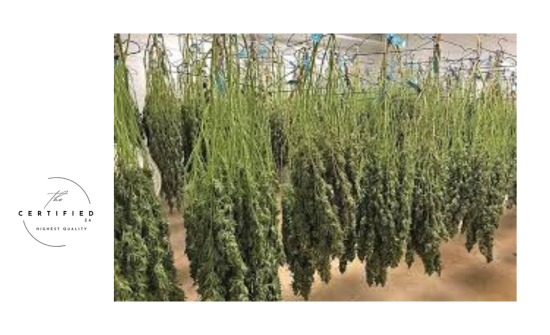
As cannabis growers, the drying and curing stages are where your hard work truly transforms into a masterpiece. By understanding the nuances of these processes and tailoring them to your specific environment and strains, you can ensure top-tier quality in every harvest.

Next week, we’ll delve deeper into the advanced techniques and technologies reshaping the drying and curing landscape. We will talk about wet trimming and dry trimming. Things like the box dryer and even the Curidor. Until then, remember: cannabis cultivation is a blend of science, craftsmanship, and passion—just like drying and curing, it’s all about finding the perfect balance.

Posted on

Environmental Control for Cannabis Cultivation

Environmental Control for Cannabis Cultivation

Successful cannabis cultivation is rooted in a delicate balance of environmental factors. While soil quality and nutrients often take centre stage, environmental controls such as light, temperature, humidity, and airflow are equally vital to the health and productivity of your plants. These factors do not just influence plant growth; they define the boundaries within which cannabis can thrive.

Environmental control is the cornerstone of creating optimal growing conditions, whether indoors, outdoors, or in a greenhouse. By managing these elements effectively, growers can maximise yields, reduce or increase plant stress, and ensure consistent cannabinoid and terpene profiles.

Last week we discussed micronutrients. I will in the future go more in-depth on micronutrients and their importance, but This week. I wanted to shift focus as I mentioned, to the environment. How we control it and how this affects our overall outcomes. The seasons are without a doubt intensifying. The summers are hotter, the winters are colder and the rains are just not like they were. Let’s talk about what you should consider when cultivating cannabis and how you can go about controlling as much as possible to maximise your output.

environmental controls for cannabis

Light: The Driving Force of Growth

Light is the foundation of photosynthesis, the process through which cannabis and all plants convert light energy into the sugars necessary for growth. The intensity, duration, and spectrum of light all play critical roles in determining plant health and yield.

Indoor growers rely on artificial lighting systems such as LEDs and HPS lamps, which allow precise control over light cycles and intensity. LEDs, in particular, have gained popularity due to their energy efficiency and ability to provide targeted light spectrums. Technology can be misleading however due to the misconceptions of Watts and Micromole outputs etc. But we will get to the lights conversation in the near future. Regardless, indoor lighting provides various considerations for the overall environment. From heat output, reflective light, light intensity and overall spectrum these factors will result in growers having to invest in other inputs to control or compensate for the lights’ input in the environment.

Greenhouse cultivators have the advantage of natural sunlight, supplemented with artificial lighting during shorter days. Light deprivation systems are often employed to control flowering times, enabling multiple harvests in a single year. This is the ideal situation for greenhouse cultivators but is also the most costly. Outdoor growers, fully dependent on natural sunlight, must plan planting schedules around seasonal light cycles to maximize exposure and growth. Some growers will put up some extra lights in the outdoor patches to lengthen the veg cycle slightly but with the disadvantage of the greenhouse plastic that helps the light bounce and reflect. It can sometimes end up being counterproductive if done incorrectly.

Environmental Control for Cannabis Cultivation

Temperature: The Silent Regulator

Temperature regulation is critical for maintaining optimal metabolic activity in cannabis plants. Cannabis thrives within a temperature range of 20–30°C  during the day, with a slight drop at night. Deviations from this range can lead to stress, reduced photosynthetic efficiency, and stunted growth.

Indoor growers use HVAC systems, and A/C units to maintain consistent temperatures, while greenhouse growers rely on ventilation and shading to moderate temperature fluctuations. This can prove to be extremely difficult if not set up correctly or if the location is not ideal. In certain parts of our country, a greenhouse is just not an option while in other parts using shade cloth doesn’t do much. Outdoors, and growers often mitigate extreme temperatures with shade cloths, frost covers, or site selection to protect plants from harsh conditions. 
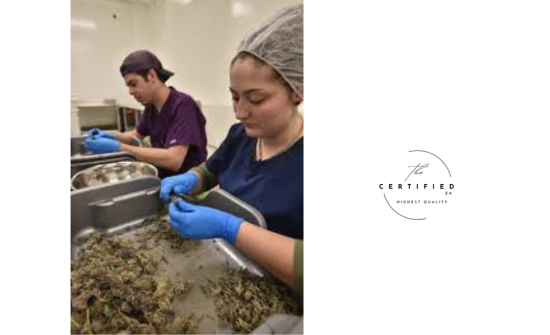
The impact of temperature on cannabis extends beyond growth. Cooler nighttime temperatures during flowering can enhance the expression of anthocyanins, resulting in colourful buds, while heat stress can degrade terpenes, reducing flavour and aroma. Some growers in the indoor setting will purposefully keep the rooms cooler or even pack ice on the base of plants to enhance this expression.

Humidity: The Balancing Act

Humidity plays a vital role in cannabis cultivation, influencing water uptake, nutrient transport, and pest management. During the seedling and vegetative stages, higher humidity levels (60–70%) promote healthy growth. However, as plants enter the flowering stage, reducing humidity to 40–50% minimizes the risk of mould and mildew on dense buds.

Indoor growers use humidifiers, dehumidifiers, and hygrometers to maintain precise control over humidity levels. With awesome technology available, today, there are even quantum sensors… More on that in a bit. In greenhouses, natural ventilation and exhaust fans help regulate moisture, while outdoor growers depend on proper plant spacing and pruning to encourage airflow and reduce localized humidity.

Environmental Controls for cannabis

Airflow and CO₂ Management

Airflow ensures the exchange of gases, preventing stagnation and creating a stable microclimate around cannabis plants. Proper air circulation reduces the risk of fungal diseases and helps strengthen plant stems, preparing them to support heavy flowers during the later stages of growth.

Indoor growers use oscillating fans and exhaust systems to circulate air, while greenhouse setups often employ automated vents and fan systems. Outdoor growers rely on natural breezes but can enhance airflow by strategically pruning plants and avoiding overcrowding.

Supplementing CO₂ can further enhance photosynthesis and yield. Greenhouses and indoor growers often introduce CO₂ enrichment during the vegetative and early flowering stages, boosting plant growth by up to 20%.

If at some point you wanted me to mention VPD(vapour pressure deficit) then I apologise. I will go in-depth on all topics very soon. But for now, this is how we will keep things.

Environmental Conrtols for Cannabis

Integrating Environmental Controls Across Cultivation Settings

Indoor cultivation offers the highest degree of environmental control, allowing growers to manipulate every factor to suit the specific needs of their cannabis plants. From programmable lighting systems to automated HVAC units, technology provides precision and consistency. All at a cost. This has never been a cheap effort so please consider this.

Greenhouses offer a hybrid approach, combining natural light and airflow with controlled systems to stabilize temperature, humidity, and light cycles. This balance reduces energy costs while providing a productive environment for year-round cultivation.

Outdoor cultivation, while more exposed to environmental variables, benefits from careful planning and site selection. By leveraging natural elements and mitigating extremes, outdoor growers can produce high-quality cannabis with minimal environmental impact.

Challenges and Solutions in Environmental Control

Maintaining optimal environmental conditions is not without challenges. Indoor growers face high energy costs, particularly for lighting and climate control. Greenhouses require regular maintenance of ventilation and shading systems, while outdoor growers must contend with unpredictable weather.

Technological advancements, such as automated monitoring systems and precision agriculture tools, are transforming how growers approach these challenges. Sensors for temperature, humidity, and light intensity provide real-time data, enabling growers to adjust conditions proactively. Even in the outdoor setting, we have seen precision agricultural tools being used to the benefit of the grower.

Environmental control is the linchpin of cannabis cultivation, bridging the gap between potential and performance. By understanding and managing factors like light, temperature, humidity, and airflow, growers create a stable environment that supports vigorous growth, high yields, and consistent quality.

Whether you are cultivating indoors, in a greenhouse, or outdoors, the principles of environmental control remain the same. Mastering these elements not only enhances your harvest but also elevates the entire growing experience, connecting you to the dynamic interplay between plants and their environment.

Posted on

Composting, How it works

Composting, how it works

In the past weeks, we’ve delved into everything from propagation techniques to plant training strategies. This week, as your cannabis plants continue to grow, it’s time to focus on one of the foundational practices that can significantly enhance their health and yield: composting. Composting is a simple, natural way to enrich your soil, and it’s an investment that pays off over time. With methods like hot composting, Hugelkultur, and bokashi, you have several options to suit your needs, each bringing unique benefits to your cannabis cultivation.

While creating compost may seem straightforward, it can become time-consuming on a larger scale without efficient tools. Let’s explore how to get started with composting, the different techniques available, and the best ways to manage raw materials for a successful composting process that supports your cannabis garden.

composting, how it works

The Basics of Composting: Transforming Waste into Vital Nutrients

Composting is a natural process where organic materials decompose to form a nutrient-rich substance that resembles humus. Through aerobic decomposition, microorganisms break down green (nitrogen-rich) and brown (carbon-rich) materials, turning waste into compost. This final product, packed with microbes and essential nutrients, enhances soil structure, aids water retention, and stimulates root growth—perfect for cannabis cultivation.

Hot composting is a highly efficient way to create compost. This method relies on maintaining a high temperature within the compost pile to speed up decomposition. Hot composting, as described in your resources, can yield garden-ready compost in as little as three months if managed well. This quick turnaround makes it ideal for cannabis growers who need a steady supply of compost.

Hot Composting: Quick, Effective, and Full of Nutrients

Though labour-intensive, hot composting is one of the fastest and most effective methods. Here’s how to get started:

Layer materials: Begin with a foundation of brown materials (like straw or dried leaves), alternating layers of greens (like vegetable scraps or fresh grass clippings) with browns to maintain a balanced carbon-to-nitrogen ratio. Make sure to keep the Browns material to a small size. Having large wood pieces will slow the quick composting down. So do your best to have twigs and sticks as small as possible. 

Maintain moisture: The pile should be moist but not soaking; aim for the feel of a wrung-out sponge. I always say, to start by adding water to the piles as you build them. Not too much but wet everything as you build your brown layers.

Incorporate some dirt or Soil: Adding in a small amount of dirt with your brown layers will help with moisture but also beef up your compost pile. Make sure that the dirt does not exceed 10% of the total browns. 

Monitor temperature: Use a compost thermometer to ensure the pile reaches around 55–60°C. When it hits this range, turn the pile to aerate it and regulate heat.

Turn regularly: Flip the pile each time it hits the ideal temperature range, usually every few days.

By following these steps, you’ll have nutrient-rich compost in 2–3 weeks, perfect for the soil. Or even as a top dress for your growing plants. More advanced growers will use this compost in their compost teas, ensuring the bioavailability of the nutrients. 

composting, how it works

Hugelkultur: Long-Lasting Nutrients and Moisture Retention

Hugelkultur is a unique form of composting that’s perfect for cannabis gardens requiring long-lasting, slow-releasing nutrients. Originating from German permaculture, Hugelkultur involves burying large logs or branches at the base of a planting bed, which slowly decomposes over time. This decomposition provides a continuous source of nutrients and helps retain moisture, reducing the need for frequent watering.

Over the years, the sophistication of Hugelkultur’s have gotten better. Consider not only adding large wood pieces at the bottom but also some stones too. Over time this will also provide minerals to the soil as it breaks down slowly over time. The higher up the Hugelkultur is built the smaller the materials are that make up each layer. In the end, it will be a little mound that will be able to sustain life perpetually over time with very minimal inputs. 

Composting, how it works

This method is ideal for outdoor cannabis growers who want a sustainable, low-maintenance approach to soil enrichment. As the wood breaks down, it becomes a natural sponge, holding water and releasing nutrients slowly—making it an excellent foundation for cannabis plants that require consistent moisture and nutrient availability.

Bokashi: A Fermentation-Based Approach

Bokashi composting is an anaerobic (oxygen-free) fermentation process, perfect for indoor composting or small spaces. By adding a microbial inoculant, typically a mixture of lactic acid bacteria, yeast, and other beneficial microbes, bokashi breaks down organic material without odour. This method is ideal for home growers who need a compact solution for composting kitchen scraps.

The fermented material from bokashi can be added to your compost pile or buried directly in the soil. It speeds up the composting process and enriches the soil, especially beneficial for cannabis roots that thrive in a microbe-rich environment. Bokashi’s compact process also makes it accessible for those with limited space. You can find various types of Bokashi compost bins for home use online. Building one can be simple too. The main thing is to use an effective microbial solution to break down your scraps. Also, make sure that you can drain liquid strain from the Bin. this will be gold for Compost teas too.

Composting, how it works

Fish Hydrolysate: A Nutrient-Rich Boost for Your Cannabis

Fish hydrolysate, a liquid fertilizer made from whole fish or fish waste, is another excellent compost addition. It’s rich in nitrogen, amino acids, and minerals that support robust growth and flowering in cannabis plants. Unlike traditional fish emulsion, fish hydrolysate is cold-processed, retaining more nutrients.

However, making this is not really ideal for your neighbours and the smell can be overwhelming. So please be mindful if you are going to attempt this. Whole fish with a little bit of water crushed, mixed with unsulphured molasses. Good luck.

For cannabis growers, adding fish hydrolysate to compost or directly to soil can enhance microbial activity and enrich nutrient levels. Just remember that fish products can attract pests, so take care when applying them outdoors. You can also look at buying quality fish hydrolysate from reputable brands already established in our country.

Handling Raw Manure: High in Nutrients, But Use with Care

Raw manure is a powerful nitrogen source but requires careful handling due to potential pathogens and its tendency to burn plants if applied fresh. When composted properly, manure can be transformed into a safe, effective fertilizer that’s perfect for cannabis.

If this is the route you are going. Ensure that you pile up all the manure together in a big enough pile for it to generate heat. At least a cubic meter in height. Make sure, just like with the quick hot compost that the manure is not too wet, if it is add some dirty, straw or dry leaves to it. Monitoring the pile will be important so having the tools to measure the temperature. Unlike with the Hot compost pile, you need to kill pathogens so avoid touching it with your hands and have a thermometer at hand. Once the pile reaches the ideal temperature, start turning it. Once the entire pile has been turned and left to reach the temperature, has no odor and is blackish in colour it will be ready to use in your gardens.

Composting, How it works

Making Compost Work for Your Cannabis Garden

From hot composting to the innovative Hugelkultur and bokashi methods, composting offers cannabis growers a sustainable, effective way to boost soil health. Creating your own compost is simple, but as your scale increases, it can become time-consuming without efficient tools or systems. However, the results— richer soil, healthier roots, and more robust plants—are well worth the investment.

Taking the time to understand and implement these composting methods is a gift to your cannabis garden. Not only will it enhance the growth of your plants, but it also brings a deep sense of connection to the natural processes that sustain them.

Posted on

Why Transplanting Matters for Cannabis Plants

why transplanting matters for cannabis plants

In last week’s blog, we explored the importance of male cannabis plants and their role in breeding and genetic preservation. This week, we’re shifting our focus to a critical practice that can make or break your harvest—transplanting. Knowing when and how to transplant your cannabis plants can significantly affect their overall size and yield. After all, the saying goes, “The size of the roots equals the size of the fruits.”

Healthy roots lead to stronger plants, bigger flowers, and, ultimately, a more successful harvest. Whether you’re growing cannabis in soil, coco, or even a single-size rockwool cube, understanding the transplanting process can help you maximize the potential of your crop.

why transplanting matters for cannabis plants

Why Is Transplanting Cannabis Plants So Important?

Transplanting is essential for giving your plants the room they need to develop healthy and expansive root systems. In solid mediums like soil or coco, cannabis roots can become root-bound—when roots have grown to the point of encircling the inside of the pot, limiting further growth. Root-bound plants will slow down in vegetative growth, which in turn limits their ability to produce large, resinous buds. 

By transplanting your cannabis plants into larger containers at key points in their growth, you allow the roots to spread out, absorb more nutrients, and support bigger plants with more abundant yields.

How Often Should You Transplant Cannabis Plants?

Generally, you’ll want to transplant your cannabis plants 2–3 times during their life cycle. While some growers prefer to plant directly into larger pots, this can lead to waterlogging and overwatering issues, especially early on. Smaller pots allow for faster root development, but eventually, your plants will need more space. Its important to increase the size of the pot relative to the growth expected of the plant too. To transplant into a slightly bigger pot will not help and will be counter productive to the growth of your plant. 

Seedlings and Early Vegging: Start in small seedling pots or solo cups. Transplant when your plants develop at least three nodes. Some growers will even top their young vegging plants in these smaller pots to ensure they get the growing structure they want. 

Vegetative Growth: Move your plants into larger pots, around 11–19 litres (25–30 cm in diameter). Keep them in this pot until they’ve roughly doubled in size. To avoid root-bound in this phase of the plant’s life is crucial. So ensuring that you monitor your plant’s growth patterns is important. Once growth stagnates, consider your last transplant. 

Final Pot: Before flowering begins, transfer your plants to their final pots, typically around 38–60 litres, depending on how large you want your plants to grow. Remember that your plants will rapidly expand in growth again during this transition period, so it is important to maximise your efforts at this point. You can even plant your cannabis into the ground if this will give you better-maximising potential towards the end. When doing this, consider all the other things we discussed with the soil food web, soil conditioning and soil preparation as a whole.

For photoperiod strains, this transplanting schedule ensures that the roots have enough room to develop without becoming constrained, while also minimizing the risk of transplant shock.

Here is a table to help you figure out some basics around pot sizes.

Why transplanting matters for cannabis plants

Can You Grow Cannabis in a Single-Size Rockwool Cube?

Interestingly, cannabis can be grown in a single-size rockwool cube without the need for multiple transplants. Rockwool provides an optimal air-to-water ratio for root growth, allowing plants to thrive even when the cube remains the same size throughout the growth cycle. However, rockwool’s porous nature means that precise control of watering and nutrient levels is critical. In commercial growing operations, Rockwool is often the ideal medium selected due to its size. Allowing for high production, less cost and little to no dirt. 

While this method is convenient and reduces the need for re-potting, it’s important to monitor your plants closely. Make sure that the roots don’t become too constricted within the cube, and adjust your watering to avoid issues like waterlogging or root rot.

Why transplanting matters for cannabis plants

How to Transplant Cannabis: Step-by-Step Guide

Transplanting cannabis is a delicate process, and taking extra care during the transition will minimise transplant shock. 

Prepare your new pot: Fill it with fresh, high-quality soil, leaving enough room to fit the plant’s current root ball. What I normally do is, I will take the current pot the plant is in and place it inside the bigger pot I am transplanting in. Filling the soil around it. This ensures that you have enough room for the plant exactly. Just make sure you don’t plant it too deep in the new pot. 

Water your plant: A day or two before transplanting, water the plant to make it easier to slide out of its current pot. You don’t want completely moist soil. This will break more easily and cause more harm. You do not want the soil dry Either. So consider your watering schedule and transplanting.

Remove the plant: Gently tip the plant and pot upside down, supporting the root ball with your hand. Avoid pulling on the stem to prevent root damage. You can try squeezing gently onto the pot first to loosen the root ball from the pot too 

Transplant carefully: Place the plant into the new pot, and fill in the remaining space with soil. Lightly press down to secure the plant. When doing this step. It’s important to inspect the roots of the plant. It’s not often that you get to do this so it’s important to have a look. Are they nice and white, are they dark brown and dead?
You might want to consider pruning some dead roots off if you see some. This will also help promote and stimulate newer growth. What I personally like to do is gently break the bottom of the root ball open to help the roots grow into the new soil or pot. Just a tip I learnt from an old farmer. 

Water again: Water the plant lightly to help it settle into its new environment.

why transplanting matters for cannabis plants

What About Autoflowering Cannabis?

While photoperiod cannabis strains benefit from multiple transplants, auto-flowering cannabis should ideally be planted directly into its final pot. Autoflower strains flower based on age, not light cycles, so the stress from transplanting can slow their growth and reduce yields. To a point that the entire grow will flop. There is very little room for error with auto-flowering cannabis. Their cycles are so short that the risk of transplanting is not something growers are urged to take.  If you must transplant an auto-flower, do so early, and be extremely careful to minimize stress on the roots.

Transplanting for Bigger Yields

In cannabis cultivation, the size of the roots truly does determine the size of the fruits. Healthy, expansive roots allow your plants to absorb more nutrients, grow larger, and ultimately produce bigger flowers. Whether you’re growing in traditional pots or a single-size rockwool cube, understanding how and when to transplant your cannabis plants is key to maximising your yields.

When you get into the flow of cultivating transplanting becomes a fun activity you look forward to. It is that little bit of time you get to fully get your hands dirty again during all the monitoring and oversight periods of cultivation.

why transplanting matters for cannabis plants