Posted on

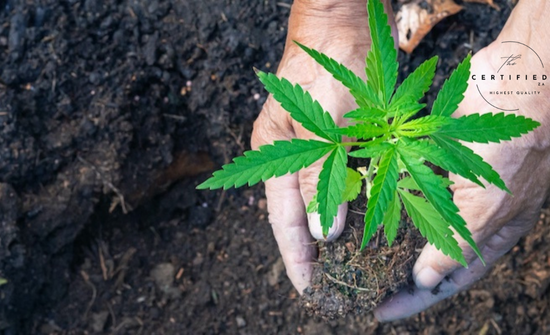
Cannabis Plant propagation

Cannabis Plant propagation

This grow series has started to take shape. We have discussed the most basic concepts and have transitioned into an organic look and approach. Today I want to focus on something else. In previous blogs, I have touched on the topic slightly but never really dedicated time to discussing the concepts you need to consider. 

If you’re looking to grow a consistent, high-quality cannabis crop, mastering the art of plant propagation is essential. Plant propagation, specifically cloning, is a popular and rewarding method for maintaining genetic consistency and keeping your favourite strains alive. I believe it is a skill set that comes with passionate growers and those who truly want the best cannabis. Because you will make a plan to keep what is considered a ‘Cash Crop.’

What is Cannabis Plant Propagation?

In essence, the most common plant propagation technique used is cloning. A simple yet effective way to create ‘new’ cannabis plants from the existing plant. Referred to as the Mother plant. Cloning allows growers to make an identical copy of the mother plant, allowing for the expansion of the same genetics to either increase yields – growing more of the exact same plant, preserve the genetics of the plant or even start up a nursery of dank you know others would love. 

For cannabis growers, propagation through cloning offers several advantages:

Consistency: Each clone will produce similar yields and quality, as they are genetic replicas. When the cuttings are taken at the optimal time the genetic preservation is kept. Clones give those who need consistency in their yields that the market appreciates more than anything.

Cost-Effective: Most home growers really benefit from this. Because budget and funds are usually tight for growing cannabis. Clones offer home growers the chance to know what they will get as well as provide them with a continuous growing cycle if the propagation is done consistently within the right timeframes. Yes, you won’t have variety but it is also cheaper to buy a clone than to purchase seed.

Speed: Clones root faster than seeds germinate, allowing for quicker harvests. This cannot be underestimated. Some growing methodologies like the indoor Sea of Green. Allows growers to take harden-off clones, give them a week of veg light and then flip them straight into flower. This can cut down grow time by many many weeks.

Cannabis plant propagation

Best Methods for Cannabis Plant Propagation

There are two primary methods of cannabis propagation: Vegetative Propagation (Cloning) and Tissue Culture.

Cloning

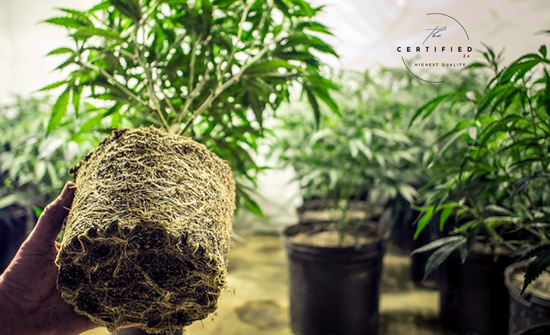
The most common method for cannabis propagation is vegetative cloning. This involves taking a cutting from a healthy mother plant and encouraging it to grow roots. You want to ensure that your mother plant is in a matured vegetative phase. Cutting from young vegging plants will work too, but your chances of stunting the growth of the plant will be higher. Or at least the amount of clones you can take will be less. Be mindful of where on the plant you select to cut. Not all Clones are cut equally. The higher up on the plant the more supple the stems will be as well as the concentration of growth hormones. While cutting from lower down on the plant might give a slower rooting clone, it will be harder in the stem which can produce a more robust plant from the get-go. Great for clones going outdoors.

Steps for Successful Cloning:

Select a healthy mother plant: Ensure the plant is disease-free and has strong genetics.

Prepare your cutting: Choose a healthy branch with strong growth tips. Cut at a 45-degree angle just below a node.

Apply rooting gel: Dip the cutting in the rooting gel to seal the cut area and encourage root growth.

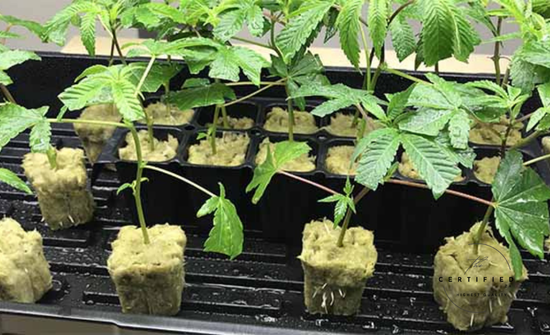
Plant the cutting: Place the cutting into a moist, pH-balanced starter cube and keep it in a propagation tray with high humidity.

Monitor and mist: Spray the cuttings daily to keep them hydrated. Rooting typically occurs within 7–10 days.

Cloning is a simple and reliable way to propagate cannabis, but maintaining the right environmental conditions—consistent humidity, temperature, and lighting—is critical for success. Many growers fail to keep things in check which causes the attempts at cloning to fail. 

Today, our markets are so sophisticated that we need not look further than our local grow shop to get all the supplies we need. But things like cloning gels are also not really a need. You can use Aloe vera, honey, Cinnamon or even just nothing. It’s more important to ensure that once you have cut the clone you do not let air into the bottom of the cut. So to stick it in the water is much better. Then thereafter, put it in rooting gel etc…

Tissue Culture Propagation

Tissue culture is a more advanced method of cannabis propagation. Instead of taking cuttings, this method involves culturing cells or tissue in a sterile environment. Tissue culture allows for the rapid production of many clones from a single plant in a small area, which is especially beneficial for large-scale growers. The protocols around Tissue Culture can vary from strain to strain which has made it challenging to create an effective home use out of this technology for now. So it is no surprise that only high-tech medical facilities consider this technique. You can propagate thousands of plants from some small pieces of tissue. It’s rather crazy science.

Cannabis Plant propagation

Best Time to Plant Clones

The timing of planting cannabis clones is critical for successful growth. It’s best to plant your clones once they’ve developed a strong root system, which typically happens after 7–14 days in the propagation tray. The ideal time to plant is during the vegetative growth phase when your environmental conditions are optimized for root and stem development.

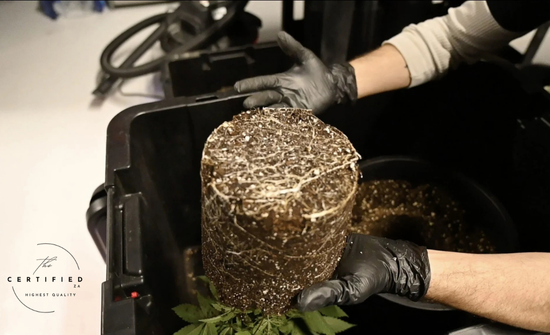
Avoid planting clones too early, as they may not have strong enough roots to survive the transplant process. Ensure that temperatures are stable, and your lighting and humidity levels are well-regulated to avoid transplant shock. You can also start by transplanting into smaller containers and allow for the roots to be established in this fashion.  Sticking a tiny clone directly into the soil outside will not be the way to go. Be mindful of that.

Common Mistakes to Avoid in Cannabis Plant Propagation

Overhandling cuttings: Once your cuttings are placed in their propagation cubes, avoid touching or moving them frequently, as this can damage delicate root systems. The process needs to be done effectively and swiftly. When you take your cuttings make sure all your tools are in the right place. Ready to go. The French would say, “Mise en place”

Poor sanitation: Always sterilize your tools and work area to prevent the spread of disease. Clones are so vulnerable to dying that this cannot be overlooked. Keep everything clean.

Inconsistent environmental conditions: Clones need stable humidity, light, and temperature. Fluctuations can hinder root development. Causing clones to be yellow and look thin.

Clone Count: Don’t overcrowd your propagation trays. Often growers take too many clones and try and fill the propagation trays to the brim. This causes issues when the cuttings are moist from mist and are touching one another.

cannabis plant propagation

Why Clones Can Be an Easier and More Rewarding Approach

Cloning is often considered easier than growing cannabis from seeds, especially for cultivators aiming for consistency. It’s hard sometimes to nurture something from the start during its most delicate times. Let’s also be realistic. Not everyone has the time to germinate and care for young seedlings. So investing in some sound genetics and clones can take the headache away. You know the quality to be expected as the genetic is a copy of the mother. 

When growing from seed there are many surprises that can easily challenge your skills. Although, there are challenges they are not as difficult with clones. Making the reward for the cannabis flowers so much better. When home growers invest in clones from sound nurseries. It’s almost a guarantee they will stick to it because of the ease into the growing transition it provides.

Cannabis Plant propagation

Mastering Cannabis Plant Propagation

All growers in my opinion must learn this skill. There will come a time in your growing cycle when you find a plant that is just so exceptional that you cannot just let it go. To have this skill set in our tool kit as a grower has allowed us to keep genetics alive for a very long time.  

I hope this encourages you this season to try to take your own clones and or invest in them this season to make things a bit easier and more rewarding.

Posted on

Growing From Seed or Clone?

Growing from seed or clone

As the cannabis industry continues to flourish, many enthusiasts and cultivators are diving into the art of growing their own plants. It’s truly remarkable. The amount of new growers every season grows exponentially. 

One of the most crucial decisions they face is whether to grow from seeds or clones. Both methods have their unique advantages and disadvantages, and understanding these can help growers make informed choices. Today, we will delve into the pros and cons of growing cannabis from seeds and clones, providing detailed insights to help you determine the best approach for your cultivation goals. For the sake of it all, when we mention “seeds” or “seed” we refer to regular cannabis seeds. Not feminized seeds, nor autoflowering cannabis seeds. This is a topic for a different day.

Understanding Cannabis Seeds

Genetic Diversity

One of the primary benefits of using seeds is the genetic diversity they offer. Each seed results from pollination between a male and a female plant, creating a unique genetic combination. This diversity allows growers to explore various strains and phenotypes, potentially discovering new and exciting characteristics. Something most experienced growers are looking for. Some growers grow hundreds , thousands of regular plants at a time to find only 1 or 2 very unique cannabis plants. These are the plants that we the consumers are enjoying on the streets. For every strain, Girl Scout Cookies to make it to market, thousands of cannabis plants went through a genetic selection. And this is truly the beauty of regular cannabis seeds.

growing from seed or clone

Stronger Root Systems and Higher Yield

Plants grown from seeds typically develop stronger root systems. This robust root structure supports vigorous growth and can lead to higher yields compared to clones. The extensive root network allows the plant to absorb more nutrients and water, fostering healthier and more productive growth. It is not to say that it will always produce stronger and higher yields. Just bare this in mind.

Pest and Disease Resistance

Seeds generally exhibit greater pest and disease resistance. Since they are not direct clones of another plant, they do not inherit any genetic weaknesses or susceptibilities. This resilience can result in a healthier garden with fewer pest and disease issues. Local cultivators have used cannabis breeding to their utmost benefit. They are purposefully breeding more and more mould-resistant genetics, for local markets. Allowing for more superior terra-flowers to grow

Longer Growing Time

However, growing from seeds involves a longer growing time. Seeds need to germinate, and the seedlings must establish themselves before they start to grow vigorously. This initial phase can take several weeks, extending the overall cultivation period. This generally doesn’t bother the organic grower that grows with the season in a greenhouse or outside. An indoor grower should consider their cultivation time much more, as this will directly implicate in electricity bills for longer light running time. During this grow phase of the plant your lights will run at an average 18 hours on 6 hours off.

growing from seed or clone

Gender Identification

Another challenge with seeds is gender identification. Cannabis plants can be male, female, or hermaphroditic. Male plants must be identified and removed to prevent pollination, which can lead to seedy buds and reduced potency in the female plants. This process requires careful monitoring and early identification of male plants. Spending time to grow from seed just to find a male plant that won’t produce flowers is not ideal either. Hence why there are some transplanting and stages that growers set up for themselves during the vegetative phases of the plant in order to streamline and cut costs on the grows. 

Variable Quality

Not all seeds will grow into healthy plants, leading to variable quality. Some seeds may fail to germinate or produce weak plants, which can be frustrating and costly. It is essential to source high-quality seeds from reputable breeders to minimize these risks. Thankfully our market is becoming more and more sophisticated by the year, and finding a reputable online source has become easier. Some grow stores even sell seeds too.

Exploring Cannabis Clones

Consistent Quality

Clones offer consistent quality because they are genetically identical to the parent plant. This uniformity ensures that the desired traits, such as potency, flavour, and growth characteristics, are preserved in each new plant. For commercial growers, this predictability is invaluable. But more and more home growers are finding that this is much easier for them to manage, saving them time and money. You know what you will get and that is also not a bad thing for cultivators.

Faster Growing Time

Clones can be planted directly into the growing medium and begin developing immediately, leading to a faster growing time. This accelerated growth cycle allows growers to harvest more frequently, increasing overall productivity. When sourcing clones from a grower or entity, they should come ready to plant. A sign of a good nursery is the state of health the plants arrive in. You skip 4-6 weeks out of your cultivation and depending on your method of cultivation some can go straight into the flower phase from a 20cm clone. Cutting down Cultivation to 8 – 10 weeks.

growing from seed or clone

No Gender Identification Needed

With clones, there is no need for gender identification. Since clones are taken from a female plant, all the new plants will also be female. This eliminates the risk of accidental pollination and ensures that all plants produce high-quality, seedless buds. The only risk you might run into is hermaphrodism, as plants that come under high-stress seed themselves, called Selfing. 


Limited Genetic Diversity

However, clones come with their own set of limitations. One significant drawback is the limited genetic diversity. Using clones restricts growers to the genetics of the parent plant, which can be a disadvantage if those genetics are not ideal for certain growing conditions or if they lack desirable traits. Growers should always be mindful of the strains they are selecting and in which environment their clones come from.

Increased Risk of Pests and Diseases

Clones can also carry over pests and diseases from the parent plant. Any genetic weaknesses or susceptibilities present in the parent will be passed on to the clones. This can result in increased vulnerability to infestations and infections, requiring vigilant pest management practices. If the clones come dirty to you and you don’t have any protocol in place, you will infect the entire grow space. So another trick when getting clones from anyone would be to isolate and treat them first for any mould and bacteria before introducing them to the space. Pathogens can latch on during the transportation process, insect vectors and many other things. So just because you getting them from a clean nursery doesn’t mean when they arrive by your doorstep they will be clean.

Making the Right Choice

Choosing between seeds and clones ultimately depends on your specific needs and preferences. Here are some factors to consider when making your decision:

If you value genetic diversity and enjoy experimenting with different strains, growing from seeds might be the better option. Seeds offer the opportunity to discover unique phenotypes and tailor your garden to specific preferences. However, if you prioritize consistent quality and uniformity in your harvests, clones are likely the way to go. The predictable nature of clones ensures reliable results with every crop.

Assess the time and effort you are willing to invest in your cultivation process. Growing from seeds involves a longer initial phase and the need for gender identification, which can be labour-intensive. Clones, on the other hand, streamline the process by eliminating the need for these steps and speeding up the growth cycle.

growing from seed or clone

Conclusion

Both seeds and clones have their distinct advantages and drawbacks. Understanding these can help you make an informed decision that aligns with your cultivation goals. Whether you choose the genetic diversity and higher yield potential of seeds or the consistent quality and faster growth of clones, it is crucial to source your seeds or clones from reputable suppliers. High-quality genetics are the foundation of a successful cannabis garden, ensuring healthy plants and bountiful harvests.

Posted on

Weed is Stronger Than Ever: Is this a good thing?

Weed is stronger than ever

As a seasoned vet in the industry, it’s evident that the landscape of cannabis consumption has undergone profound changes in recent years. From the evolving potency of cannabis products to groundbreaking research shedding light on its effects, there’s a wealth of information to explore.

The Potency Paradox

One of the most notable shifts in the cannabis industry is the remarkable increase in potency. Gone are the days of mild strains with THC levels hovering around 5-6%. Today’s cannabis products boast THC concentrations reaching as high as 25% or even 90% in concentrated forms like oils and edibles. This surge in potency has been fueled by advancements in cultivation techniques and selective breeding aimed at maximising THC content.

While some may view this increase in potency with apprehension, it’s essential to understand that potency alone does not dictate the effects of cannabis. Recent research has challenged the notion that higher potency equates to increased impairment. 

In fact, studies have shown that for regular, near-daily cannabis users in familiar environments, there may be little to no difference in cognition between being sober and being under the influence of cannabis. This finding challenges long-standing stereotypes about the cognitive effects of marijuana use and underscores the importance of considering factors such as frequency of use and environmental context.

How strong was the weed?

Back in the early 2000s late 90s. Cannabis potency was topping out at about 15% with outliers coming in at 19%. Strong cannabis that used to sit us all down. Strains like Chronic and Skunk. 

Known to have gotten the job done, today will be considered not potent at all. A remarkable achievement in cultivation techniques and methodologies is to blame. People are getting more talented every year and their skills increase. They are allowing for more and more specialised cannabis strains. Bred for specific levels of potency and effects. In the past, it was about completing the grow with little to no hick ups and moving it. The discussion on how strong the weed was, wasn’t an actual conversation that was had. It was something merely appreciated about the cannabis.

How strong is the weed today?

Well in today’s market. Everyone wants to know how strong the weed is. The market is sophisticated enough to provide the answers too. Something we should all be thankful for. But even so, the average percentage of THC levels is roughly 19% these days. With cannabis strains breaking records on THC % every year. In 2023 the highest THC levels were at 36% in cannabis flower. Ridiculous. Makes you wonder to what end it has to be that potent. 

A Rich History

Despite its modern resurgence, cannabis has a rich and storied history dating back thousands of years. First domesticated in East Asia, cannabis has been utilized for a myriad of purposes, from making hemp rope and clothing to serving as a source of food through its oily seeds. Evidence of cannabis use can be traced back to ancient civilizations, with archaeological finds revealing its presence in burial sites dating back thousands of years. This long history underscores the enduring relationship between humans and cannabis, spanning cultures and continents.

The Science Behind Cannabis

Advancements in scientific research have also played a pivotal role in shaping our understanding of cannabis. With over 100 active cannabinoids, including well-known compounds like THC and CBD, researchers are continually exploring the therapeutic potential of these compounds. While cannabinoids have become widespread in various products, their full effects are still being determined. The illegality of cannabis for much of modern history has posed challenges to research efforts, but recent strides have been made in unravelling the mysteries of cannabis and its compounds. Making it easier for us to understand all the benefits that the plant has for us.

One notable example is the groundbreaking research conducted by UBC doctoral candidate Michelle St. Pierre. Through her studies, St. Pierre sought to investigate how cannabis impacts cognition, particularly in familiar environments. Contrary to stereotypes, her findings revealed little to no impairment in cognitive function for regular cannabis users in familiar settings. This research challenges preconceived notions about the cognitive effects of cannabis use and highlights the importance of conducting studies in real-world contexts.

Kicking the Idea that a person stoned cannot function and that they are lazier. A type of stigma that needs to be broken. The question I have is, How do we break this stigma if one research is still lacking and 2 the weed is becoming so potent? We as users need to take more responsibility for what is happening in the market and learn to say “No” to certain things that will give us a bad rep. 

Looking Ahead

As the cannabis industry continues to evolve, it’s crucial to separate fact from fiction and dispel long-standing myths surrounding cannabis. From its ancient origins to its modern resurgence, cannabis has played a significant role in human history, with its potential for therapeutic use being increasingly recognized. As researchers delve deeper into the science of cannabis, we can expect to uncover new insights and unlock the full potential of this remarkable plant.

And while weed may indeed be stronger than ever, it’s essential to approach the topic with nuance and an understanding of the complex interplay between potency, usage patterns, and environmental factors. By staying informed and embracing evidence-based research, we can navigate the ever-changing landscape of cannabis with clarity and insight.

We know already that potency isn’t everything, yet the push for stronger bud continues. It is only by wanting to accept this that we can look to more healing and overall better cannabis for our well-being.

Leave your thoughts on the matter below.

Posted on

Cannabis Pricing: Why Is It So High?

Cannabis Pricing Feature image

The pricing of cannabis products has always been a subject of curiosity and, often, frustration among consumers. From the surprisingly affordable to the outrageously expensive, the range of prices in the cannabis market can be bewildering. In this article, we’ll delve into the reasons behind the high prices of cannabis and explore the dynamics that shape pricing strategies within the industry. From R3 a gram to R300 a gram. Where does madness meet affordability?

Understanding the Cannabis Market

The cannabis market is diverse, catering to various segments of consumers with differing preferences and purchasing power. Understanding this market segmentation is crucial in deciphering the wide range of prices. Factors such as product type, quality, and brand reputation play significant roles in determining pricing. For others, it’s a matter of feelings and set prices according to their mood.

Different Segments of the Market

The cannabis market can be broadly divided into categories such as medicinal cannabis, recreational cannabis, and artisanal or craft cannabis. Each segment targets a specific demographic with distinct preferences and budgets.

Several factors influence cannabis pricing, including production costs, regulatory compliance, taxation, and market demand. Additionally, branding, packaging, and perceived quality contribute to the perceived value of a product, influencing pricing decisions. I would argue, however, that most growers and cannabis outlets do not have their costing correctly. As most cannabis enthusiasts are not all that business savvy, it can cause a major discrepancy in pricing even when the quality of the weed does not differ overall. 

The Role of Quality in Cannabis Pricing

Quality is a primary determinant of cannabis pricing, with consumers willing to pay more for superior products. However, assessing the quality of cannabis can be subjective, leading to disparities in pricing across brands and products. As we mentioned prior what you consider Triple A cannabis doesn’t mean everyone will agree. Regardless of this, there has been over the years a standard pricing for cannabis grown in Outdoor, greenhouse or indoor settings. Ranging from R3 – R30 for outdoor-grown cannabis, R30 – R80 for greenhouse-grown flowers and up to R300 for indoor cultivated cannabis. 

These days however people are understanding what quality is and what they are looking for.

Quality indicators in cannabis include cannabinoid potency, terpene profile, appearance, aroma, and taste. Higher potency, unique terpene profiles, and visually appealing buds command higher prices in the market. However, consumers are waking up to the fact that they need to find a balance in these indicators. Not all cannabis is the same and having a single price point for all weed in a category won’t do the flowers justice. 

Impact on Pricing

Products that meet or exceed consumer expectations in terms of quality often justify higher price points. Premium strains, organic cultivation methods, and meticulous curing and packaging processes contribute to elevated pricing.

The production of cannabis involves various inputs and expenses, which directly impact pricing decisions. Cultivators must consider factors such as cultivation methods, labour costs, utilities, compliance fees, and packaging expenses when determining the cost of production. 

Key inputs in cannabis cultivation include seeds or clones, nutrients, water, lighting, and pest control measures. Indoor cultivation methods incur higher expenses compared to outdoor or greenhouse cultivation due to the need for climate control and artificial lighting. It can be the opposite as an indoor space over time will produce more efficient results whereas outside settings will remain challenging and hard work year-round for the farmers. This too can affect the pricing. Something we see reflected in bigger indoor growing facilities. Because of the automation and dialled-in regiments, things cost less and things are streamlined. This lowers production costs and we hope that in the future. The price will be too. 

Yield per plant, cultivation cycle duration, and crop quality influence the profitability of cannabis cultivation. Growers must optimize production processes to maximize yield while minimizing costs to remain competitive in the market. The biggest game to play when you are a grower.

Pricing Strategies in the Cannabis Industry

Pricing strategies in the cannabis industry vary, with some businesses relying on emotional pricing tactics while others adopt data-driven approaches.

Emotional Pricing vs. Data-Driven Pricing

Emotional pricing involves setting prices based on intuition, market trends, or perceived value without rigorous analysis. In contrast, data-driven pricing relies on market research, cost analysis, and competitive benchmarking to establish optimal price points.

Competitive Pricing Dynamics

Competition among cannabis businesses influences pricing dynamics, with companies adjusting prices to gain market share or maintain profitability. Price wars may occur in saturated markets, leading to temporary price reductions to attract customers.

Despite the availability of a wide range of cannabis products, affordability remains a significant challenge for many consumers.

High prices limit access to cannabis for medical patients and recreational users with limited disposable income. Affordability barriers contribute to disparities in access to cannabis-based therapies and products. Improving access to affordable cannabis requires industry-wide efforts to streamline production processes, reduce regulatory burdens, and promote price transparency. Collaborative initiatives between stakeholders can help address affordability issues and ensure equitable access to cannabis.

The Need for Transparent Pricing

Transparent pricing practices benefit both consumers and businesses, fostering trust and loyalty within the cannabis community. This builds credibility and enhances consumer confidence by providing clarity on product costs and value. It fosters long-term relationships with customers and encourages repeat purchases. Cannabis businesses can differentiate themselves by prioritizing transparency and ethical pricing practices. Clear communication regarding pricing methodologies, production standards, and product quality fosters trust and loyalty among consumers.

In conclusion, the high prices of cannabis products stem from a combination of factors, including production costs, quality considerations, and pricing strategies. While premium products may command higher prices, affordability remains a concern for many consumers. Adopting transparent pricing practices and prioritizing affordability can help address these challenges and ensure equitable access to cannabis for all. After all, this is a holy sacrament to so many and having to see those people struggle to obtain their herb is frustrating to me. I hope this changes shortly. 

What is the most you have paid for cannabis? Is it fair? And why would anyone pay such a premium price for something that can only be so good? Let us know below.

Posted on

Indoor, Outdoor, and Greenhouse Cannabis: Which is Better?

indoor outdoor and greenhouse cannabis cultivation. Which is better?

Cannabis cultivation has evolved significantly over the years, with growers experimenting with various methods to produce high-quality flowers. The growing environments however has stayed the same. Indoor, Outdoor or Greenhouse cultivation. Each method has its advantages and drawbacks, catering to different preferences and needs within the cannabis community. I hope that one day we will move away from labels and recognise just one thing. Quality and less than. This is my 2 cents on the matter. 

Indoor Cultivation

Indoor cultivation involves growing cannabis plants in controlled environments, typically within grow rooms or tents. Growers can regulate factors such as light, temperature, humidity, and nutrient levels, allowing for precise control over the growth process. This method is popular in regions with limited sunlight or where cannabis cultivation is restricted. It also provides year-round growing capabilities. 

Outdoor Cultivation

Outdoor cultivation takes advantage of natural sunlight and environmental conditions to grow cannabis plants. Plants are typically grown in open fields or gardens, relying on sunlight, rainwater, and natural airflow for growth. While outdoor cultivation is more reliant on environmental factors, it can produce unique flavour profiles and a distinct entourage effect due to the natural growing conditions. Something that seriously cannot be ignored. After all, indoor cultivators mimic the outside rhythms as best they can. 

Greenhouse Cultivation

Greenhouse cultivation combines elements of indoor and outdoor growing. Greenhouses provide shelter from harsh weather conditions while still allowing sunlight to penetrate through the glass or plastic panels. Growers can control factors such as temperature, humidity, and airflow to create an optimal growing environment. This method offers a balance between the controlled conditions of indoor cultivation and the natural elements of outdoor cultivation.

Quality Factors in Cannabis Cultivation

When it comes to determining the quality of cannabis flowers, several factors come into play. These include the entourage effect, potency, and flavour profile, all of which can be influenced by the cultivation method used. 

Entourage Effect

The entourage effect refers to the synergistic interaction between cannabinoids, terpenes, and other compounds found in cannabis. Outdoor-grown cannabis often exhibits a richer entourage effect due to the natural growing conditions and exposure to various environmental factors. This results in a more complex flavour profile and potentially enhanced therapeutic effects. Most cannabis users are holistic in their cannabis use, and thus the entourage effect is something desired.

Potency

Indoor cultivation tends to produce cannabis flowers with higher potency levels. This is because growers have precise control over environmental factors and can optimize conditions to maximize cannabinoid production. As a result, indoor-grown cannabis may contain higher concentrations of THC or other cannabinoids compared to outdoor-grown varieties.

Flavour Profile

The flavour profile of cannabis can vary depending on the cultivation method used. Outdoor-grown cannabis often exhibits a more robust and natural flavour profile, reflecting the terroir of the region where it was cultivated. In contrast, indoor-grown cannabis may have a more consistent but potentially less nuanced flavour profile due to the controlled growing conditions. Greenhouse aims to meet in the middle of this. The ability for the plants to be planted on the earth and still be supplemented with artificial inputs makes for a unique cannabis experience too.

Benefits and Drawbacks of Each Cultivation Method

Each cannabis cultivation method has its unique benefits and drawbacks, which cater to different preferences and priorities among growers and consumers.

Indoor Cultivation

Benefits:

Precise control over environmental factors

Ability to grow year-round regardless of external conditions

Consistent quality and potency

Drawbacks:

Higher energy costs associated with artificial lighting and climate control systems

Increased risk of pests and diseases in enclosed spaces

Environmental impact of indoor cultivation practices

Outdoor Cultivation

Benefits:

Reliance on natural sunlight and environmental factors

Potential for unique flavor profiles and entourage effects

Lower operational costs compared to indoor cultivation

Drawbacks:

Vulnerability to weather-related challenges such as pests, diseases, and extreme temperatures

Limited growing seasons in certain climates

Regulatory restrictions in some regions

Greenhouse Cultivation

Benefits:

Protection from harsh weather conditions while still harnessing natural sunlight

Enhanced control over environmental factors compared to outdoor cultivation

Potential for higher yields and quality compared to traditional outdoor cultivation

Drawbacks:

Higher upfront costs associated with greenhouse construction and maintenance

Need for ongoing monitoring and management of environmental conditions

Potential for fluctuations in quality due to environmental factors

Market Dynamics

The cannabis market is influenced by various factors, including cultivation methods, consumer preferences, and regulatory frameworks. These dynamics play a significant role in determining the price and availability of cannabis products. There is a trend and we would like to believe that we are here to be the difference. 

Price Variation

The price of cannabis can vary depending on the cultivation method used. Indoor and greenhouse cultivation often result in higher production costs due to the need for equipment, energy, and labour. As a result, indoor and greenhouse-grown cannabis typically commands higher prices compared to outdoor-grown varieties. However, outdoor-grown cannabis, especially in regions known for its unique terroir and growing conditions, may also fetch premium prices due to its terroir quality. It is important to understand, that if growers and industry kept the consumer in mind the price would only reflect the quality of the flowers produced. Understanding the inputs towards indoor cultivation is higher, but it is also predictable and scalable. A well-run indoor setup will become more efficient and less expensive over time. Outdoor cultivation has more unpredictability due to the nature of the environment even if the quality of the flower is achieved, the quantities often won’t be. Leaving the outdoor farmer with less room to negotiate. We need to consider this. 

Consumer Preferences

Consumer preferences play a crucial role in shaping the cannabis market. Some consumers prioritize potency and consistency, making indoor-grown cannabis their preferred choice. Others value the natural attributes and unique flavours associated with outdoor-grown cannabis. Greenhouse-grown cannabis appeals to those seeking a balance between controlled environments and natural growing conditions. Some only have access to a certain type of weed due to budget

Factors Influencing Choice of Cultivation Method

Several factors influence the choice of cannabis cultivation method, including environmental considerations, market demand, and grower preferences. Understanding these factors is essential for growers seeking to optimize their cultivation practices and meet consumer expectations.

Climate plays a significant role in determining the feasibility of different cultivation methods. Regions with limited sunlight or harsh weather conditions may favour indoor or greenhouse cultivation to ensure consistent yields and quality year-round. In contrast, regions with ample sunlight and favourable growing conditions may be ideal for outdoor cultivation.

Market demand for cannabis products can also influence the choice of cultivation method. In regions where consumers prioritize potency and consistency, indoor cultivation may be preferred. However, in markets where consumers value natural and organic products, outdoor or greenhouse cultivation methods may be more popular.

Grower Preferences

Grower preferences and expertise also play a crucial role in determining the cultivation method used. Some growers may have experience and infrastructure in place for indoor cultivation, while others may prefer the hands-on approach of outdoor or greenhouse cultivation. Ultimately, the choice of cultivation method depends on factors such as cost, efficiency, and desired product attributes. If you are a grower reading this. Know that there is no point in doing something you cannot afford to sustain. The market is unforgiving in 2024… everyone has a preference. We only have our skills. 

Conclusion

Indoor, outdoor, and greenhouse cannabis cultivation each offer unique advantages and drawbacks. Indoor cultivation provides precise control over environmental factors but comes with higher production costs. Something we hope to see change. Outdoor cultivation relies on natural sunlight and environmental conditions, resulting in unique flavor profiles but may be vulnerable to weather-related challenges. I hope, that one day terroir will be valued as highly in outdoor cannabis produce as it is in wine. The uniqueness of the natural environment to produce crops within season only… It’s just something else. Greenhouse cultivation offers a balance between controlled environments and natural conditions, making it an attractive option for growers seeking optimal yields and quality. 

We do not believe that there is anyone better than the other. We believe that all cannabis cultivation has its purpose. People will always want what they want, but we have to ensure that we are charging them fairly. According to our growing cost yes, but also the overall quality of the product

FAQs

Which cultivation method produces the highest quality cannabis?

The quality of cannabis can vary depending on factors such as genetics, cultivation practices, and environmental conditions. While indoor cultivation often produces potent and consistent flowers, outdoor and greenhouse cultivation methods can also yield high-quality cannabis with unique flavour profiles.

Is outdoor-grown cannabis always better than indoor-grown?

Not necessarily. Outdoor-grown cannabis may have a more natural flavour profile and entourage effect due to exposure to environmental factors, but indoor-grown cannabis can also produce potent and consistent flowers with precise control over growing conditions.

Why do some consumers prefer greenhouse-grown cannabis?

Greenhouse-grown cannabis offers a balance between controlled environments and natural conditions, resulting in high-quality flowers with consistent yields. Consumers may prefer greenhouse-grown cannabis for its optimal growing conditions and unique flavour profiles.

How do market dynamics affect the price of cannabis?

The price of cannabis is influenced by factors such as cultivation method, quality, and market demand. Indoor and greenhouse-grown cannabis often command higher prices due to higher production costs, while outdoor-grown cannabis may also fetch premium prices in regions known for their unique growing conditions.

What are the main factors growers consider when choosing a cultivation method?

Growers consider factors such as climate, market demand, and personal preferences when choosing a cultivation method. Climate plays a significant role in determining the feasibility of different methods, while market demand and grower expertise also influence the decision-making process.

Let us know your thoughts below.

Posted on

Indica and Sativa: The Effects

Indica and Sativa Image

The terms Indica and Sativa have been the pillars of categorising cannabis strains. However, the reality is more nuanced. The indica plant typically exhibits relaxing effects, often associated with a “couch-lock” sensation, while sativa strains offer more uplifting and energetic effects. But it’s not a strict rule, and hybrid strains bring a blend of both worlds.

The Distinct Features: Indica’s Relaxation vs. Sativa’s Uplifting Effects

Indica-dominant strains, like OG Kush and Girl Scout Cookies, are known for their relaxing properties. On the other hand, Sativa-dominant strains, such as Haze Berry and Blue Dream, offer a more uplifting and creative experience. Understanding these distinctions is crucial for choosing a strain that aligns with your desired effects.

Terpenes: Aromas and Effects

Various cannabis terpenes contribute not only to the distinctive aromas and flavours of different strains but also play a crucial role in shaping the effects and potential health benefits of the plant.

Myrcene, prevalent in many strains, is associated with sedative effects and is often chosen for pain relief and sleep.

Limonene, with its citrusy notes, offers anti-inflammatory and antioxidant properties, providing stress relief and potential therapeutic benefits.

Linalool, recognized for its spicy and floral tones, induces relaxation and has analgesic and anxiolytic effects.

Caryophyllene, known for its spicy and peppery profile, acts as a cannabinoid, offering anti-inflammatory benefits.

Alpha-pinene and beta-pinene, reminiscent of pine, provide anti-inflammatory effects and are useful in treating respiratory conditions.

Alpha-bisabolol, with its floral aroma, enhances compound absorption and exhibits antibacterial properties.

Eucalyptol offers a minty freshness, relieves pain, inhibits bacterial and fungal growth, and shows potential cognitive benefits.

Continuing with lesser-known terpenes, trans-nerolidol, found in jasmine and lemongrass, displays antiparasitic, antioxidant, and anticancer properties. Humulene, with earthy notes, may prevent cancer cell growth and act as an appetite suppressant. Delta 3 Carene, offering a sweet and earthy aroma, is associated with bone-healing properties and potential cognitive improvements. Camphene, often mistaken for myrcene, has herbal and floral notes, contributing to potential cholesterol-lowering effects. Borneol, common in rosemary and mint, acts as an insect repellent and has shown promise in combating breast cancer cells. Terpineol, with its floral aromas, induces relaxation and has antidepressant and neuroprotective properties. Geraniol, with its sweet and floral scent, exhibits neuroprotectant and antioxidant potential. Valencene, offering a sweet, citrusy aroma, has anti-inflammatory and anti-allergic properties, making it an ideal choice for those with skin-related conditions.

Indica Dominant Strains: OG Kush, Girl Scout Cookies, Grape Ape

Exploring Indica-dominant strains reveals a world of relaxation. OG Kush, with its earthy flavour, is celebrated for its calming effects. Girl Scout Cookies, a sweet and fruity strain, delivers a perfect balance of relaxation and euphoria. Grape Ape, with its musky notes, embodies the quintessential indica experience.

Sativa Dominant Strains: Haze Berry, Blue Dream, Quantum Kush

For those seeking an energetic and uplifting journey, Sativa-dominant strains are the go-to. Haze Berry, with its sweet and spicy aroma, provides a burst of creativity. Blue Dream, a fruity delight, is praised for its euphoric effects. Quantum Kush, with its earthy tones, delivers a potent sativa experience.

Hybrid Strains: The Best of Both Worlds: Gelato, Wedding Cake, Sour Diesel

In the realm of hybrids, Gelato stands out with its sweet and dessert-like flavour, offering a balanced experience. Wedding Cake, a hybrid masterpiece, combines relaxation with euphoria. Sour Diesel, a pungent and fuel-scented strain, brings together the best of sativa and indica characteristics.

Harvesting at the Right Time: Achieving Optimal Effects through Timely Harvesting

The timing of cannabis harvesting significantly influences its effects. Whether indica or sativa dominant, harvesting at the optimum time ensures the concentration of desired oils. Early harvesting may result in immature oils, diminishing the intended effects. Understanding the harvest window is key to unlocking the full potential of your cannabis strain.

The Role of Cannabinoids: Exploring THC and CBD

Cannabinoids like THC and CBD contribute to the therapeutic and psychoactive effects of cannabis. While THC induces the “high” and relaxation, CBD offers anti-inflammatory and anxiety-relieving properties. The balance of these cannabinoids varies among strains, influencing the overall experience.

The Impact of Terroir on Strain Profiles: How Growing Conditions Shape Cannabis Characteristics

Terroir, the environmental factors influencing plant growth, profoundly impact strain profiles. Factors like soil composition, climate, and cultivation methods contribute to the unique characteristics of each strain. Appreciating the influence of terroir adds another layer to the rich tapestry of cannabis varieties. It also will give you an appreciation of the efforts required to produce premium cannabis with amazing effects and flavours.

Indica and Sativa Cultivars: Navigating the Hybridization Landscape

In today’s cannabis landscape, the lines between indica and sativa blur as hybridisation takes centre stage. While a plant may exhibit indica-like physical features, its terpenes and effects might lean towards sativa. Navigating the hybridization landscape requires understanding the cultivar’s genetic makeup and intended effects.

Personal Insights: A Glimpse into My Cannabis Journey

As a cannabis enthusiast, my journey has been a tapestry of exploration. Each strain tells a unique story, from the calming embrace of indica strains during serene evenings to the invigorating experiences with sativa-dominant cultivars. It’s a journey of self-discovery and understanding the nuances that make each cannabis variety special. No one strain fits all. Even after growing the same cultivar many times over the Ideal terpene profile sometimes can change even when things remain constant. Cannabis can develop a mind of its own I feel.

FAQs: Common Questions About Indica and Sativa

Q: What defines an indica or sativa strain?

A: Indica strains are known for relaxation, while sativa strains offer more uplifting effects. The distinction is not absolute, and many strains are hybrids, combining characteristics of both.

Q: How does the terpene profile affect the cannabis experience?

A: Terpenes contribute to aroma and effects. For example, pinene has anti-inflammatory properties, while limonene provides uplifting and anti-anxiety effects.

Q: Can Indica strains be energising?

A: While Indica strains are generally relaxing, factors like harvest time and growing conditions can influence the final effects, making some indica strains more energizing.

Q: What role do cannabinoids play in cannabis effects?

A: THC induces psychoactive effects and relaxation, while CBD offers therapeutic benefits such as anti-inflammatory and anti-anxiety properties.

Q: How does terroir impact cannabis strains?

A: Terroir, including soil, climate, and cultivation, shapes the unique characteristics of cannabis strains, influencing their flavour and effects.

Q: Are hybrid strains better than pure indica or sativa?

A: It depends on personal preference. Hybrids offer a blend of effects, combining relaxation and energy, providing a more versatile experience.

Embracing the Diversity of Cannabis Varieties

In the diverse world of indica, sativa, and cannabis hybrids, every strain unfolds a unique experience. From the relaxing embrace of Indica to the invigorating lift of Sativa, each variety contributes to the rich tapestry of cannabis culture. Whether you seek relaxation, creativity, or a balanced blend, the world of cannabis offers a plethora of choices to explore. Understanding what works for you as a user can often be difficult because of the ever-evolving market. My suggestion would be to start with Hybrid strains before moving over to something cultivated for sativa or indica dominance.

Comment below with your thoughts on the matter. We would like to know which effect you prefer and why.

Posted on

Pre-Rolls: Lazy Smokers or Convenient Brilliance?

Pre-roll blog post

In the ever-evolving landscape of cannabis consumption, one trend has taken the industry by storm – pre-rolls. These neatly rolled joints have become the nuance of cannabis, captivating both seasoned enthusiasts and newcomers alike. But why have pre-rolls become so prevalent? Is it sheer convenience, or is there something more profound at play? Let’s explore.

The Evolution of Cannabis Consumption

Before the decriminalization of cannabis in South Africa, the ritual of consuming this herb was a hands-on process. Joint smoking, bong hits, and pipe sessions were the norm. In those early days, concentrates were a distant concept. Rolling a joint was an art, a meditative act that went beyond merely getting high. It was a journey – from visiting the dealer to setting up the station and meticulously preparing the cannabis. The act of rolling, in itself, became a form of relaxation and stress relief.

The Therapeutic Act of Rolling

Rolling a joint wasn’t just about the end product; it was an at-ease ritual. Even today, for those who have been part of the cannabis culture for years, the act of rolling remains a therapeutic way to decompress and de-stress. The rhythmic motion of crafting a joint induces a sense of calmness, a prelude to the enjoyment that follows. It’s a moment of meditation that goes hand in hand with the cannabis experience.

The Rise of Pre-Rolls

However, as society shifted towards convenience and a new wave of smokers emerged, the era of pre-rolls began. While pre-rolls had been available for some time, initially serving as a quick solution for on-the-go toking, the landscape changed. Some unscrupulous players started using trimmings and sub-graded flower trim to fill pre-rolls, casting a shadow of skepticism over the market. Trust became a critical factor – consumers needed assurance that what was inside the pre-roll matched the promised quality.

Navigating Trust in the Pre-Roll Market

In a market tainted by uncertainty, brands like Hi-Plug emerged as pioneers, growing indoor flowers specifically for pre-rolls. Despite the initial distrust, they have established themselves through transparency and a commitment to high-quality products. Yet, the challenge persists – consumers must trust that the pre-roll’s contents align with the label, be it premium flower or a specific strain.

The Learning Curve: Rolling Your Own Joint

In a world where new smokers enter the scene, the art of rolling a joint is fading. It’s not solely due to laziness or convenience; many have never learned the skill. Herein lies a subtle encouragement for pre-roll enthusiasts – take the time to learn the craft. Grab a packet of Raw or OCBs, buy some weed, and embark on a journey of self-discovery. Learning to roll not only enhances your connection with cannabis but also diminishes the reliance on pre-rolls.

The Market Dynamics

Despite the push for self-reliance, the demand for pre-rolls remains robust. Brands like Hi-Plug thrive by delivering a premium, ready-to-go experience. For those seeking a hassle-free indulgence, pre-rolls are an enticing option, offering a taste of quality without the need for rolling skills.

Conclusion

In the ever-shifting landscape of cannabis culture, pre-rolls have carved a niche, providing both convenience and controversy. The question of whether new smokers will embrace the art of rolling remains open. As we navigate this evolving terrain, one thing is clear – the allure of pre-rolls is here to stay. Like it or not….

Leave your thoughts on the matter below.

Posted on

pH doesn’t matter

pH doesnt matter

The harmless statement that “pH doesn’t matter” in cannabis cultivation has become a point of contention within the growing community. This blog aims to take a deep dive into the world of pH levels, scrutinizing why some growers dismiss its importance while others staunchly advocate for meticulous monitoring. By exploring the nuances of pH and its role in different cultivation methods, we hope to provide a comprehensive understanding of this critical factor in cannabis growth.

Understanding pH and Its Role in Cannabis Cultivation:

At its core, pH, or potential hydrogen, measures the acidity or alkalinity of a solution. In the context of cannabis cultivation, maintaining the right pH level is paramount for proper nutrient absorption. When levels are off-kilter, the plant’s ability to take in essential nutrients is compromised. This leading to potential health issues and stunted growth. However, the degree of significance assigned to pH varies depending on the cultivation method employed.

Hydroponic Precision:

In hydroponic setups, where plants grow in a controlled, soilless environment, pH monitoring becomes a non-negotiable practice. The absence of soil microorganisms means there’s no natural buffer for fluctuations. Precision is key in ensuring that nutrients are readily available to the plant, directly influencing growth, flowering, and overall production. The molecular scale of hydroponic systems requires growers to meticulously manage pH levels to avoid any hindrance to plant development.

Organic Dynamics:

Contrastingly, organic settings boast a rich tapestry of microbial and bacterial life within the soil. Proponents of organic cultivation argue that this diversity of life helps maintaining a balance, reducing the need for meticulous monitoring. In such settings, there is a tendency to coin the phrase “pH doesn’t matter,” as the intricate web of microorganisms works harmoniously to buffer pH levels and facilitate nutrient absorption. However, it’s crucial to recognize that even in organic setups, a significant pH imbalance can have adverse effects on plant health and productivity.

The Debate Unveiled:

The contention surrounding the importance stems from the spatial specificity of its relevance. While pH readings in the soil may vary, it is the precise location where nutrient exchange occurs—the rhizosphere—that holds the key. This nuance becomes particularly pertinent in hydroponic systems, where a uniform medium eliminates spatial complexity, making pH control even more critical.

Growers’ Perspectives and Diverse Approaches:

The debate is a spectrum, and growers often find themselves on different ends based on their experiences and chosen cultivation methods. Organic growers, confident in the buffering capabilities of their soil’s microorganisms, may downplay the importance of constant monitoring. They place trust in the natural processes occurring within the soil, believing that the living ecosystem will self-regulate.

However, it’s essential to acknowledge that this laissez-faire approach doesn’t guarantee success for everyone. Instances abound where even in organic settings, pH imbalances have led to suboptimal nutrient absorption and hindered plant growth.

And in conclusion:

In the grand tapestry of cannabis cultivation, the question of whether pH truly matters remains nuanced. Undeniably, it plays a crucial role in ensuring optimal nutrient absorption, but the extent to which growers should micromanage it varies. Understanding the contextual relevance of thereof—particularly in the rhizosphere—empowers growers to make informed decisions tailored to their specific cultivation environments.

So, the next time someone boldly claims that pH doesn’t matter, remember that it’s a nuanced topic with varying perspectives within the diverse world of cannabis cultivation. Whether you’re a hydroponic enthusiast or an advocate for organic methods, acknowledging the significance of potential Hydrogen within your chosen context can be the key to unlocking successful cannabis cultivation practices.

Let us know your comments below.

Posted on

Greendoor Cannabis

Indoor, Greenhouse, Greendoor

What is this?

A recent phenomenon has emerged in South Africa—Greendoor. This unique concept is creating waves in the cannabis culture, leaving enthusiasts intrigued. But what exactly is the Green Door, and does it truly matter in the grand scheme of premium cannabis production? Let’s delve into the essence of Greendoor and its implications on the quality of the final product.

Understanding Greendoor:

At its core, Greendoor refers to cannabis cultivated in a greenhouse and an indoor environment. It combines the advantages of indoor and outdoor cultivation techniques. Offering a hybrid approach that leverages the controlled conditions of an indoor space while harnessing the benefits of the external environment. Growers employ technologies such as fans, dehumidifiers, and lights to optimize conditions within the greenhouse. This strikes a balance between nature and human intervention. 

The Origin of Greendoor:

The term “Greendoor” stems from the practice of starting cannabis plants indoors before transplanting them to a greenhouse for the flowering stage. This hybrid approach led to the creation of a new category, blurring the lines between traditional indoor and greenhouse cultivation. However, opinions on the significance of this label vary widely within the cannabis community.

And for what it’s worth, holding onto that door part… just kills me inside.

The Greendoor Debate:

For some, the distinction between greenhouse, indoor, and Greendoor cannabis seems arbitrary, even frivolous. Critics argue that these labels only serve to complicate an already intricate industry, adding unnecessary layers to the classification of cannabis. Whether you’re a seasoned veteran or a casual observer, the question remains: does it really matter if it’s grown in a greenhouse, indoors, or under the Greendoor banner?

Quality Trumps Environment:

Despite the ongoing debate, a consensus emerges among industry veterans—a focus on quality surpasses the importance of a cultivation environment. The emphasis should be on adhering to stringent standards and practices, ensuring the end product meets the highest criteria for excellence. Regardless of whether it’s grown in a controlled indoor space, a sprawling greenhouse, or falls under the Greendoor category, the ultimate measure is the quality of the cannabis itself.

Conclusion:
In the grand scheme of cannabis cultivation, the Greendoor phenomenon may seem like a newfangled categorization. However, as the industry evolves, it becomes clear that the true determinant of quality lies in the efforts put into cultivating the plant rather than the specific environment. As consumers, let’s shift our focus towards understanding and appreciating the dedication to excellence, irrespective of the labels attached. The next time Greendoor enters the conversation, remember: quality speaks louder than the cultivation method.

Or what? Comment below.