Posted on

What is the Soil Food Web?

What is the Soil food Web?

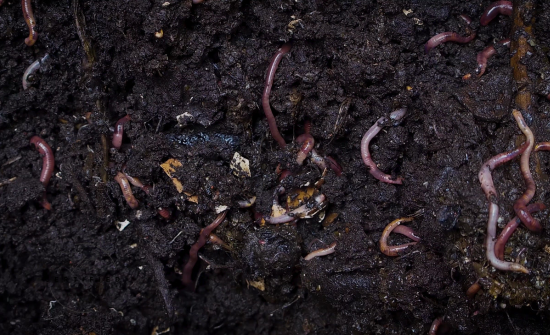
Soil is more than just dirt; it is a vibrant, living ecosystem teeming with microscopic life. Understanding the soil food web begins with comprehending that soil is composed of a mix of minerals, organic matter, gases, liquids, and countless organisms. These include a multitude of microbes that play pivotal roles in maintaining soil health.

The term “Soil Food Web” was made popular by Dr Elaine Ingham, an American Microbiologist, who some refer to as the mother of regenerative agriculture. Our blog is inspired by her work and by author Jeff Lowenfels, Teaming up with Microbes.

Soil Food Web Image
Soil Food Web Diagram

The concept of the Soil Food Web 

It revolves around the interactions between these microorganisms, plants, and animals within the soil environment. This web includes various bacteria, fungi, protozoa, nematodes, and arthropods, each performing essential functions that facilitate nutrient cycling, organic matter decomposition, and plant health. At the foundation of the soil food web are primary decomposers like bacteria and fungi, which break down organic materials and release nutrients in forms accessible to plants. These primary decomposers are preyed upon by larger microorganisms and soil fauna, creating an intricate network of energy and nutrient flows.

The significance of the soil food web cannot be overstated. 

Healthy soil is the cornerstone of robust plant growth, influencing everything from nutrient uptake to resistance against pests and diseases. It also plays a key role in larger ecological processes, such as carbon sequestration, water retention, and erosion control. A rich and diverse soil microbiome contributes to the physical structure of the soil, enhancing its ability to support plant roots and retain moisture. Conversely, disrupted or degraded soils often lack the microbial diversity necessary to sustain these crucial functions, resulting in poor plant performance and increased environmental vulnerability.

In essence, by recognizing and fostering the various organisms within the soil food web, gardeners, farmers, and land stewards can promote more sustainable and resilient ecosystems. This approach aligns with broader environmental goals, offering a pathway toward more sustainable agricultural practices, improved food security, and enhanced ecosystem services. As we delve deeper into the roles of specific microorganisms like bacteria, archaea, fungi, protists, and nematodes in subsequent sections, the interconnected nature of the soil food web will become ever more apparent, underscoring the need for integrated soil management practices.

The Role of Bacteria and Archaea in Soil Health 

Bacteria and archaea play indispensable roles in the health of soil ecosystems. Despite their microscopic size, these organisms are powerhouses of activity, driving numerous essential processes that underpin plant health and soil fertility. In “Teaming with Microbes,” Jeff Lowenfels delves deeply into the crucial functions these microorganisms perform, their interactions within the soil food web, and the methods gardeners and farmers can employ to enhance their beneficial activities.

Bacteria 

Are among the most prolific and versatile organisms in the soil. They execute a plethora of functions that are vital for nutrient cycling. A significant role of bacteria is the decomposition of organic matter. By breaking down complex organic compounds into simpler molecules, bacteria help recycle essential nutrients such as nitrogen, phosphorus, and sulfur, making them available to plants. This process is particularly important for the formation of humus, a stable component of soil organic matter that improves soil structure, water retention, and nutrient availability.

Another critical function of soil bacteria is nitrogen fixation. Certain bacteria, known as diazotrophs, have the ability to convert atmospheric nitrogen into ammonia, a form of nitrogen that plants can readily absorb and utilize. This symbiotic relationship is most famously illustrated by the Rhizobia bacteria, which form nodules on the roots of leguminous plants. Inside these nodules, the bacteria convert atmospheric nitrogen into forms usable by plants, enhancing plant growth and reducing the need for synthetic nitrogen fertilizers.

Bacteria and Archea in Soil under microscope

Archaea

Though similar to bacteria in many ways, have distinct roles in soil ecosystems. One of their most notable contributions is participation in methanogenesis, the production of methane under anaerobic (oxygen-free) conditions. Methanogenic archaea thrive in water-logged or compacted soils where oxygen is limited. While methane production can contribute to greenhouse gas emissions, in a balanced ecosystem, these archaea play a role in carbon cycling, breaking down organic materials that bacteria and fungi cannot decompose under aerobic conditions.


Both bacteria and archaea contribute significantly to the suppression of soil-borne pathogens. By outcompeting harmful microbes for resources and space or by producing antimicrobial compounds, these beneficial microorganisms help maintain a healthy soil microbiome and reduce the incidence of plant diseases.

Promoting beneficial bacterial and archaeal activity

Incorporating organic matter, such as compost or well-rotted manure, into the soil provides a food source for these microorganisms, encouraging their growth and activity. Minimizing soil disturbance through reduced tillage practices helps maintain the complex soil structures that support microbial habitats. Additionally, avoiding the overuse of chemical fertilizers and pesticides is crucial, as these can disrupt microbial communities and diminish their beneficial effects.

They are fundamental to the health and productivity of soil ecosystems. Their roles in nutrient cycling, nitrogen fixation, pathogen suppression, and organic matter decomposition are irreplaceable. By understanding these functions and employing methods to foster a thriving microbial community, gardeners and farmers can enhance soil health, promote sustainable plant growth, and contribute to the overall resilience of agricultural ecosystems.

The Critical Functions of Fungi in the Soil Ecosystem

Fungi play a vital role in the soil ecosystem and exhibit fascinating functions that are crucial for plant health and overall soil structure. Two main types of fungi dominate the soil environment: mycorrhizal fungi and saprophytic fungi. Understanding the distinct roles of these fungi can shed light on their unparalleled importance in soil ecosystems.

Mycorrhizal fungi 

They establish a symbiotic relationship with plant roots, forming intricate networks called mycorrhizae. These networks significantly enhance a plant’s ability to absorb nutrients and water. Mycorrhizal fungi extend far beyond the root zone, accessing nutrients that roots alone cannot reach. They are particularly effective at solubilizing phosphorus, a vital nutrient often locked in soil particles, and transporting it back to the host plant. This symbiotic exchange not only aids plant growth but also enhances the plant’s resistance to stress and pathogens.

Saprophytic fungi

These, are decomposers. They break down dead organic matter into simpler compounds, such as leaf litter, wood, and other organic debris. This decomposition process is essential for nutrient cycling, as it releases critical nutrients back into the soil, making them available for uptake by plants. Saprophytic fungi are pivotal in maintaining the humus layer of the soil, which is crucial for retaining moisture and fostering a hospitable environment for other microorganisms.

Fungi
Mycelium in Soil

Fungi contribute significantly to the physical structure of the soil as well. The mycelium—extensive networks of fungal filaments—binds soil particles together, enhancing soil aggregation. This leads to improved soil structure, with better aeration and water retention. Fungal networks create macro-pores in the soil, which facilitate the movement of air, water, and roots through the soil profile. These structures are essential for creating a resilient and thriving soil environment.

Encouraging beneficial fungal growth

This can be achieved through several best practices. First, minimizing soil disturbance is crucial. Tilling and other disruptive practices can break up fungal networks and deplete their populations. Instead, adopting no-till or reduced-till farming practices can preserve these beneficial fungi. Incorporating organic matter into the soil is another effective way to promote fungal growth. Organic matter serves as both food and habitat for fungi. Composting, mulching, and cover cropping introduce ample organic material into the soil, supporting a thriving fungal community. It’s also important to maintain soil pH within the optimal range for fungal activity, typically between 5.5 and 7.5. This can be achieved through thoughtful soil amendments and regular soil testing.

Protists and Nematodes – The Lesser-Known Soil Dwellers 

Protists and nematodes may not be as well-known as bacteria and fungi, but they play crucial roles in the health and functionality of the soil ecosystem. These microscopic and often overlooked organisms are vital components of the Soil Food Web, contributing significantly to nutrient cycling, plant health, and soil quality.

Protists 

Encompass a diverse group of single-celled organisms, including amoebas, ciliates, and flagellates. These microorganisms thrive in the thin films of water that coat soil particles, making them active participants in the soil food web. Protists primarily feed on bacteria, helping to control bacterial populations and prevent any single species from dominating and destabilizing the soil ecosystem. Through predation, protists recycle nutrients, making them available to plants and other soil organisms. By digesting bacteria and releasing nitrogen in the form of ammonium, protists play a crucial role in the nitrogen cycle, enhancing plant growth and soil fertility.

Nematodes, or roundworms

Are another important group of soil dwellers. These tiny, worm-like creatures live in the water films surrounding soil particles and have a range of dietary preferences. Some nematodes are bacterial feeders, while others prefer fungi, protozoa, or even plant roots. Predatory nematodes feed on other nematodes and small soil organisms. In agricultural soils, the presence of beneficial nematode species can suppress soil-borne diseases and pests by preying on harmful nematodes and insects. Their activities help regulate the populations of other soil organisms, contributing to a balanced and resilient soil ecosystem.

Interactions between protists, nematodes, and other soil microorganisms are complex and dynamic. Protists, by feeding on bacteria, indirectly affect nematode populations that feed on bacteria and fungi. Similarly, predatory nematodes can influence the abundance and activity of other soil organisms. These interactions drive the nutrient cycles and energy flows that sustain healthy soil systems. For instance, nematodes and protists release nutrients locked in organic matter through their digestive processes, making these nutrients available for plant uptake.

Nematode
Nematode under Microscope.

The impact of protists and nematodes 

Through their feeding activities, these organisms enhance nutrient availability, improve soil structure, and suppress pathogens. Nematodes that feed on plant roots can be harmful in excessive numbers, causing root damage and decreasing plant vitality. However, their presence in moderate numbers can stimulate root growth and nutrient absorption by creating microchannels in the soil, which improve aeration and water infiltration. Furthermore, some nematodes release plant growth-promoting substances, further supporting plant health.

Building and Maintaining a Healthy Soil Microbiome

Creating and sustaining a vibrant soil microbiome begins with a comprehensive understanding of your soil’s current health. To start, a soil health assessment is crucial. This assessment typically includes testing for pH levels, nutrient composition, and the presence of organic matter. It’s advantageous to include a biological assay that identifies key microbial populations within your soil. 

Once the health of your soil has been established, the next step is to improve and maintain it through the addition of compost and organic matter. Compost acts as a powerhouse for enriching the soil microbiome. High-quality compost is not just decomposed organic matter; it is a bustling community of microbes that include bacteria, fungi, protozoa, and even nematodes. These organisms play pivotal roles in breaking down complex organic materials into forms that plants can absorb. The addition of compost not only introduces beneficial microbes but also enhances the soil’s physical structure, promoting better aeration and water retention.

Learnt anything? Comment your thoughts below

Posted on

What is Compost Tea?

Compost tea Feature image

Compost tea is a natural gem in the realm of organic gardening. This simple, yet potent brew, made by steeping quality compost in water, unlocks a trove of beneficial nutrients and microorganisms. It’s more than just a fertilizer; it’s a life-enhancing elixir for plants, enriching soil health and bolstering plant resilience in an eco-friendly way. 

This liquid gold will give your garden life and make you much better at organic growing. Revitalising your plants’ overall health.

What is Compost Tea?

Compost tea is a liquid extract derived from compost and is packed with beneficial microorganisms and nutrients essential for garden vitality. It is a unique and organic solution that has become a favourite among gardeners for its ability to enhance soil and plant health naturally.

The Brewing Process:

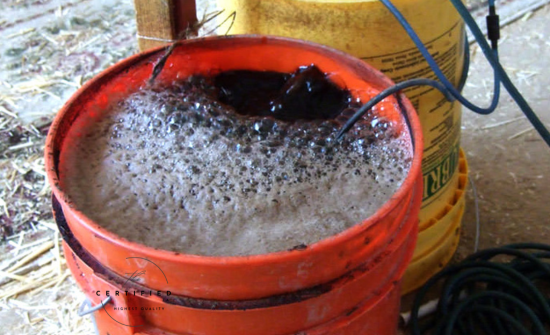
Brewing compost tea involves steeping compost in water, which is akin to making a giant tea bag filled with compost. During this process, the water becomes enriched with soluble nutrients and beneficial microorganisms such as bacteria, fungi, protozoa, and nematodes.

The key to successful compost tea lies in maintaining a well-aerated environment during the brewing process, which encourages the growth and multiplication of these beneficial organisms.

Aerated Compost Tea (ACT): 

Contains all the species of organisms that were in the compost. Thus the compost has to be “tea-quality”. Those organisms selected by the temperature, foods present, nutrient composition, and oxygen content in the tea brew grow during the brewing process. When oxygen drops below a certain level, nutrients can be lost and disease-causing organisms may grow. Oxygen content is critical, but so is the diversity of aerobic organisms. The competitive set of organisms must be present to prevent pathogen growth. The amount of food added must be limited to enough to attain maximum growth of desired organisms but not so much that oxygen concentration drops below the aerobic level. Balance is critical – maximize growth, but maintain aerobic conditions. Machine cleanliness is important too. Anaerobic biofilms growing in the machine can result in poor-quality tea. Documenting that a consistent, plant-beneficial product is always made is paramount.

Non-Aerated Compost Tea (NCT): 


Requires that low oxygen levels are reached, and this needs to be documented in order to make the claim that this kind of product was made. Certain organisms make specific toxins which combat disease- and pest-organisms. These toxins, like antibiotics, are only made in certain conditions. Machine, recipe, oxygen management and compost used must be documented and understood. The biology in an anaerobic tea is limited to basically anaerobic bacteria and yeasts. Since the set of organisms is so significantly altered from what occurs in aerobic compost, anaerobically brewed teas should not be called compost tea, but designated specifically as anaerobic tea.

Compost tea

Enhanced Plant Nutrition and Growth:

Compost tea is a direct source of essential nutrients like nitrogen, phosphorus, potassium, and trace elements, which are readily available for plant uptake. This immediate nutrient supply can lead to more robust and vigorous plant growth. The microorganisms in compost tea play a crucial role in breaking down organic matter in the soil, thereby improving nutrient cycling and making existing soil nutrients more available to plants.

Disease and Pest Resistance:

Bacteria occupy most of the leaf or root surface and thus are most effective at consuming the food resources that the disease-causing organisms would otherwise consume. Bacteria occupy most of the infection sites, which would otherwise be occupied by the disease-causing organisms. In soil, bacteria have additional functions beyond consuming foods and occupying infection sites, they also retain nutrients (N, P, S, Ca, Fe, etc) in their biomass. Your Compost Tea needs a healthy balance of bacteria, fungi and micro-organisms.

Overall Benefits

  1. Pathogens cannot infect the plant tissues because the specific infection sites on the plant surface is already occupied by beneficial organisms;
  2. Disease-causing organisms have no food and cannot grow because the exudates produced by the plant are used by the beneficial species present on the plant tissues before the disease-causing organisms arrive;
  3. Spaces on the surfaces of plant are physically occupied by beneficial organisms. The pests and pathogens cannot reach the plant surface, and Disease cannot occur; 
  4. Plants take up nutrients in the tea needed to allow them to resist infection more rapidly because the beneficial biology influences leaf surface gas concentrations, causing stomates to open sooner and for a longer time;
  5. Food resources in the tea allow beneficial microorganisms to grow, protecting plant surfaces; 
  6. Nutrients are retained on the leaf surface and become available to the plant with time, improving plant nutrition and health;
  7. soil structure is improved and more oxygen reaches the root system,preventing toxins from being produced in the soil, increasing plant health;

DIY and Cost-Effective: 

Making your own compost tea is a cost-effective solution compared to buying commercial fertilizers and plant treatments. It can be made at home using simple ingredients and equipment.

Ingredients for the Perfect Compost Tea Recipe

Creating the perfect compost tea is akin to crafting a gourmet meal for your garden. Each ingredient plays a vital role in the final product’s quality and effectiveness. 

Here’s a closer look at what you’ll need and why each ingredient is important.

  1. Organic Compost: The Foundation

Quality Matters. The compost is the heart of your tea. It should be well-aged, rich in organic matter, and free from any harmful pathogens or chemicals.  Homemade compost is ideal, but store-bought organic compost works well too. Worm castings, Bat guano also can make a base for Compost tea. Compost made from a diverse range of organic materials (like leaves/woodchips, kitchen bokashi, and grass clippings) will lead to a more nutrient-rich and microbiologically diverse tea.

  1. Water: The Medium

Non-chlorinated is key. Chlorine in tap water can kill the beneficial microorganisms in compost. 

Use rainwater, or pond water(might not be best), or let tap water sit out for 24 hours to allow the chlorine to evaporate. An old trick would be to stick your arm in the water for a while. Your skin will absorb the chlorine and clean the water too. Might cut down the waiting time… but this is a 2 cents type of deal here.  Room temperature water is ideal as extreme hot or cold can shock the microorganisms.

  1. Air Pump: Oxygen Supplier

Aeration for Microbial Growth. Oxygen is crucial for fostering aerobic microorganisms. 

An air pump ensures the tea remains well-oxygenated, preventing the growth of harmful anaerobic bacteria. One can be bought either online or at your local fish shop or nursery. Some of these online stores are my go-to:

Marijuana SA

Hydroponic.co.za

Cleanliness is Crucial: 

Ensure the container is clean to prevent any contamination of the tea.

4. Fuel/Food

Molasses is the preferred sugar of choice. This will help stimulate the growth of bacteria and microorganisms in your compost tea. Ensure that you do not overdo your fuel source as this in large can also slow or cap off the growth.

Step-by-Step Guide: Making Your Own Compost Tea

Creating compost tea is a straightforward process, but attention to detail can make a significant difference in the quality of the final product. 

Step 1: Gather Your Materials

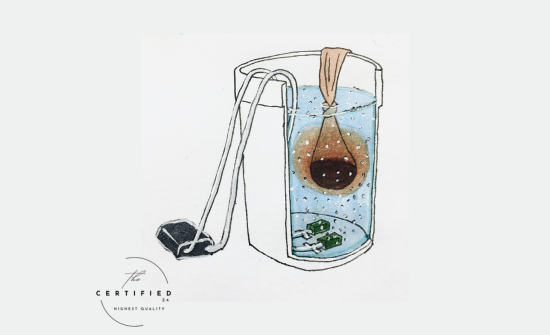
Prepare Your Ingredients: Assemble your organic compost, non-chlorinated water, air pump, and brewing container. Find a cheese cloth-type bag to put all your material in. Placethis in your brewing container.

The amounts you will make will be dependent on your needs. I have always eyeballed my ingredients in honesty.

Cleaning: Ensure all equipment is clean to prevent contamination.

Step 2: Add Water

Add non-chlorinated water to the bucket, leaving some space at the top to prevent spillage during aeration.

Step 3: Aerate the Mixture

Set Up the Air Pump: 

Attach air stones or diffusers to the air pump and place them at the bottom of the bucket. Keep the air pump running continuously to supply oxygen. This step is crucial for encouraging the growth of beneficial aerobic microbes.

Step 4: Brewing Time

Allow the mixture to brew for 24-48 hours. The exact time can depend on the ambient temperature and the desired microbial activity. Check the brew occasionally to ensure that the aeration is consistent and the temperature is stable.

Step 5: Strain and Use

Once brewing is complete, strain the liquid to remove solid particles. Use a cheesecloth, fine mesh, or a paint strainer bag. It is not crucial to strain the compost tea if you plan on using it as a soil drench.

Application: 

Apply the tea as soon as possible after brewing for maximum effectiveness. Dilute with water if it appears too concentrated.

Step 6: Clean Up

Clean all equipment thoroughly after use to prevent any buildup of residual compost or mould. This step is so important and often overlooked. If you avoid this you will find that bacteria will build up on your air hoses and stones and that you can get sludge. This will increase your chances of an anaerobic reaction occurring as well as the batch being contaminated and smelling off.

Compost Tea

|

Application Methods:

Foliar Spray: 

  • Applying compost tea as a foliar spray is a great way to provide nutrients directly to the leaves and can help with disease prevention. 
  • Ensure the spray is fine and covers the leaves evenly.

Soil Drench: 

  • Pouring compost tea around the roots or base of the plant helps improve soil quality and root health. 
  • This method is beneficial for providing nutrients directly to the root zone.

Precautions and Best Practices

  • Ensure the spraying equipment is clean to prevent the spread of any disease.
  • Be cautious when applying to young seedlings or very delicate plants. It’s always better to start with a more diluted solution.
  • Observe how your plants react to the compost tea and adjust your application method and frequency accordingly.

Tips for Success:

  • Brew at a temperature between 12°C and 24°C for optimal microbial activity.
  • Brewing beyond 48 hours can lead to the development of harmful anaerobic bacteria.
  • If unsure of the concentration, it’s safer to dilute the tea more rather than less. A general guideline is a 1:10 ratio of tea to water.

Using Compost Tea

A general guideline is a 1:10 ratio of tea to water, but this can vary based on the strength of your brew and the sensitivity of your plants.

Application Methods:

Foliar Spray: 

  • Applying compost tea as a foliar spray is a great way to provide nutrients directly to the leaves and can help with disease prevention. 
  • Ensure the spray is fine and covers the leaves evenly.

Soil Drench: 

  • Pouring compost tea around the roots or base of the plant helps improve soil quality and root health. 
  • This method is beneficial for providing nutrients directly to the root zone.

Precautions and Best Practices

  • Ensure the spraying equipment is clean to prevent the spread of any disease.
  • Be cautious when applying to young seedlings or very delicate plants. It’s always better to start with a more diluted solution.
  • Observe how your plants react to the compost tea and adjust your application method and frequency accordingly.
Compost Tea
Posted on

Lactic Acid Bacteria: An Organic Growers Powertool

Lactic Acid Bacteria Feature image

Lactic acid bacteria (LAB) are ubiquitous microorganisms that can be beneficial in crop and livestock production. With their long history of use in food preservation by many world cultures, LABs are generally recognized as safe for human consumption. 

Over the years, making Lactic acid bacteria has become a staple add-on for many growers. These microorganisms prolong storage, preserve nutritional value, and enhance flavours of otherwise perishable foods by producing lactic acid as a fermentation metabolite. LABs are easy to collect and economical to culture, store, and use. Let’s have a look at what it is and how you can make your own.

What Are Lactic Acid Bacteria?

“Lactic acid bacteria” (LAB) refers to a large group of bacteria, rather than a single species or strain, that produce lactic acid as a by-product of digesting their food source (usually carbohydrates). The lactic acid accumulates to ferment or “pickle” the food, and LAB are capable of surviving in acidic (low-pH) environments. LABs are widespread in nature and are beneficial probiotics in our digestive systems. They are among the most important groups of microorganisms used in food fermentation, contributing to the taste and texture of fermented products and inhibiting food spoilage caused by other microorganisms. LAB is responsible for the production of yoghurt, cheese, cultured butter, sour cream, sausage, kimchee, olives, and sauerkraut.

Lactic Acid Bacteria
Microscopic image of Lactobacillus paracasei, a source of bacteriocins. Image © 2018 Dr. Horst Neve, Max Rubner-Institut, reused under CC BY-SA 3.0 DE.

How Are LAB Cultured?

When washing rice with clean water in preparation for cooking, colonies of lactic acid bacteria can be collected in the rinse water. Microorganisms other than LAB are also present, but allowing the rice rinse water to sit for 3 to 5 days will cause LAB to become the predominant species. Since the rinse water is low in nutrients, milk is then added as a food source for the LAB. Fresh cow’s or goat’s milk, which is high in lactose (milk sugar), is an ideal food source for LAB proliferation, or culture. The best kind would be unpasteurized. This type of milk will contain fewer antibiotics.

After an additional 3 to 5 days, the LAB culture separates into solid and liquid fractions (similar to curds and whey). The liquid fraction is the LAB culture, which can be used immediately, stored under refrigeration, or kept in a cool, dark place with the addition of brown sugar. This edible culture is used in Natural Farming for both plant and livestock production. The solid fraction is edible as a soft cheese and can also be fed to livestock or composted.

LAB Culture Instructions

1. Wash rice grains and collect the first two rinses of cloudy water.

2. Fill a clean glass jar about 2 /3 full with rice rinse water. Label the jar with the date and contents.

3. Cover the mouth of the jar with breathable cloth (such as muslin) or paper (not plastic) and secure with rubber bands or ties to keep out pests. Store at room temperature away from direct light. Be careful not to shake or move the jar while it ferments.

4. After 3 to 5 days, LAB will multiply and give off a slightly sour odour. There will be a mat of semi-solid material floating on the top of the cloudy liquid in the jar. Collect only the cloudy liquid (fermented rinse water) by pouring off and discarding the mat layer.

5. Depending on the size of your glass jar, measure one part of fermented rinse water and add 10 parts of milk to fill your jar 2 /3 full.

6. As in step 3, cover the mouth of the jar with cloth or paper and secure with rubber bands or ties to keep out pests. Store at room temperature away from direct light. Be careful not to shake or move the jar while it ferments.

7. After 3 to 5 days, the contents of the jar will separate into a floating solid fraction and a yellow liquid fraction. It may take longer in cooler climates. The yellow liquid is the LAB culture, which must be kept alive.

8. Pour off the liquid fraction, being careful not to mix any solids back into the LAB culture. Store LAB culture in a loosely capped plastic or glass bottle labelled with the date and contents.

9. Any LAB culture not used within a week should be refrigerated, or if it must be kept at room temperature, add an equal amount (by weight) of brown sugar. In either case, keep the bottle loosely capped to release gases formed by fermentation, or the container may burst.

10. LAB culture may be kept refrigerated for 6 months. Continue to keep the bottle loosely capped to release gases.

11. LAB culture should have a sweet odour; if the odour becomes unpleasant (rotten) after it has been stored, discard it and make a new batch.

How Is LAB Culture Used for Plant Production?

LAB culture is diluted at a 1:1,000 ratio with water, mixed with a plant nutrient solution such as fermented plant juice (FPJ), and applied as a foliar spray to leaf surfaces of leaf or fruit crops.
Note: Over-application of LAB culture to fruit crops may result in the loss of sweetness (lowered brix) of fruits. Apply sparingly in the latter stages of the fruiting season. LAB culture can also be used in conjunction with other nutrient solutions to treat seeds before planting.

This improves seed germination, inoculates the seed with beneficial microbes, and deters fungal problems, such as “damping off”. LAB is used with IMO (indigenous microorganisms) in Natural Farming in making composts or compost teas for soil preparation before planting. Application of LAB culture can accelerate the decomposition of organic amendments in soils and enhance the release of plant nutrients for absorption.

It is also a great supplement for strengthening cellular walls and has been proven to increase terpene production in cannabis. Helps prevent powdery mildew and provides overall vitality to your plants.

How Is LAB Culture Used in Livestock Production?

LAB culture can transform a malodorous, anaerobic livestock pen, for example, into an odourless system when used in conjunction with an IMO-inoculated deep litter system. LAB culture can also be given to most livestock species to consume through their feed and/or water as a probiotic to help foster healthy gut flora, enhance their immune systems, and aid in digestion.

In Conclusion

Making LAB is simple and with time, your technique of making a strong Lactic Acid Bacteria that is highly effective will increase. I have found that I make a new batch every time I need to use LAB instead of storing my previous LAB. We eat rice often and so it is not difficult to make it. Rice water we have lots of. Give it a go and let us know what you think.

Posted on

The Benefits of Juicing Cannabis

Benefits of juicing cannabis

Introduction

Pressed vegetable juices are growing in popularity on a global scale, and it’s no surprise that medical marijuana patients, caregivers, and healthcare professionals are now exploring the health benefits of juicing the cannabis plant. We know far and well that there is a medical benefit to using cannabis. But when the plant is psychoactive your body can only absorb so much cannabinoids. This article delves into the numerous advantages of juicing cannabis, its nutritional profile, and practical tips on how to incorporate this powerful plant into your daily routine. Increasing your overall well-being and absorption rate of the medicine you are trying to take.

What is Juicing?

Juicing involves extracting the liquid from fresh fruits and vegetables. This process retains most of the vitamins, minerals, and plant chemicals (phytonutrients) found in the whole vegetable. Commonly juiced vegetables include carrots, beets, kale, and spinach. Juicing offers a convenient way to consume a concentrated dose of these nutrients. Often added to breakfast or drank as a meal replacement. A fresh press juice machine is most likely at your favourite breakfast place, as it truly has become a staple to the breakfast menu.

Why Juice Cannabis?

Cannabis is unique among vegetables due to its high concentration of cannabinoid acids, like THCA, CBDA, and CBGA, which have significant medicinal benefits. Unlike traditional methods of consuming cannabis, juicing allows you to benefit from these compounds without the psychoactive effects. You get to ingest cannabis and benefit from it medically 100% in this manner. And yes believe it or not. Cannabis is actually a vegetable.


Nutritional Profile of Raw Cannabis

Raw cannabis is packed with essential nutrients such as fibre, iron, calcium, and a variety of vitamins. The cannabinoids THCA (tetrahydrocannabinolic acid), CBDA (cannabidiolic acid), and CBGA (cannabigerolic acid) are particularly noteworthy for their health benefits. These acids are of a plethora of cannabinoids found in cannabis. The ‘main ones’ we are aware of. THCA, CBDA and CBGA have all been studied to date with positive and amazing health benefits. As acids, the body can absorb almost all the bioavailable nutrients and minerals given by the juice. 

Health Benefits of Juicing Cannabis

Anti-inflammatory Properties

Cannabinoids have potent anti-inflammatory effects. Juicing raw cannabis helps reduce inflammation by enabling two-way communication between immune cells and nerves, which is crucial for managing chronic inflammation. There has also been great studies to show that CBGA can greatly reduce bladder inflammation specifically. 

Antioxidant Benefits

The high concentration of cannabinoid acids in raw cannabis acts as powerful antioxidants, helping to protect cells from damage caused by free radicals. This can reduce the risk of chronic diseases and improve overall health. Here CBDA has been proven to be the aider in this anti-oxidant recovery in cells. 

Neuroprotective Effects

Cannabinoids in raw cannabis support neuroprotective functions, which can help in maintaining brain health and potentially preventing neurodegenerative diseases. THCA and CBDA are once again the main components to make this happen. This is very interesting as most would say that psychoactive THC will most likely slow down the neuroprotective functions. This also is not 100% true. 

Two-Way Communication With Nerve Cells

One-way traffic to nerves is a primary cause of inflammation. Immune cells are continuously attacked without communication to calm the nerves. Cannabinoids enable two-way communication, reducing inflammation and fighting symptoms.

Dr. William Courtney,

a dietary raw cannabis specialist, emphasizes the importance of consuming raw cannabis. He recommends juicing 15 leaves and 2 large raw buds daily. According to Dr. Courtney, this provides a substantial dose of beneficial cannabinoids without the psychoactive effects of THC. When looking at my personal results, I can say that it has given the house extra energy and how health has improved. One can almost say that it is easier to notice the benefits once you stop taking the supplement compared to when you are taking it one cannot always say that you ‘feel’ better.

Scientific Backing

Studies show that raw cannabis can significantly benefit health. SAPHRA has approved a tolerable CBD dose of 600 mg/day, highlighting the potential of raw cannabis juice as a powerful dietary supplement. Consuming raw cannabis allows for higher cannabinoid intake compared to smoking or vaporising.

How to Juice Raw Cannabis

Importance of Fresh Cannabis

Fresh cannabis is crucial for juicing. Dried cannabis prepared for smoking is unsuitable. Ensure your cannabis is freshly picked and free from pesticides or contaminants.

Step-by-Step Juicing Process

Gather Fresh Cannabis: Collect 15 leaves and 2 large buds.

Prepare Other Vegetables: Mix with other vegetable juices like carrot juice to reduce bitterness.

Juice the Cannabis: Use a high-quality juicer.

Store Properly: Split the juice into 3 parts, store in a sealed container, and refrigerate for up to 3 days.

Growing Your Own Cannabis

To ensure access to fresh cannabis, consider growing your own plants. As South Africans, we have the right to grow our own and you should. We are not saying sustain yourself off your own cannabis cultivation, but what we suggest is growing cannabis year round whether it is one or two plants in order to be able to have fresh leaves at least to juice. When harvesting season comes. Consider harvesting fresh flowers and putting them aside for your juicing. During the vegetative stages, I grab roughly 28g of foliage from the plants. 


Combining Cannabis Juice with Other Juices

Mixing cannabis juice with other vegetable juices helps mask its bitterness. Carrot juice is a popular choice. A 1:10 ratio of cannabis juice to carrot juice is recommended. Also, add the usual suspects like beets, oranges, lemons, apples and or pears in your mix. Split your cannabis juice intake into three servings, one with each meal. This maximises absorption and maintains a steady level of cannabinoids in your system throughout the day. Don’t forget to shake your juice before you drink it.

Conclusion

Juicing cannabis offers a plethora of health benefits, from reducing inflammation to providing powerful antioxidants and neuroprotective effects. By incorporating raw cannabis juice into your daily routine, you can take advantage of its nutritional and medicinal properties without experiencing psychoactive effects. Embrace this natural remedy and explore the potential it holds for improving your health and well-being.

Have you tried it before? Let us know what your favourite Cannabis Juice recipe is below.

Posted on

Synthetic Nutrients: What to consider.

Synthetic Nutrients Feature

The journey of synthetic nutrient cultivation can be both thrilling and daunting. Many believe it is not ok to use such fertigation methodologies due to commercial agriculture. There is a lot of misperception and confusion. But regardless of this. I am not here to debate Synthetic or Organic fertigation but rather to share my perspective on synthetic nutrients with those looking to get started with them. We’ll delve into some of the nuances of using salt-based nutrients, explore essential equipment, highlight the significance of each element, and address common pitfalls for those venturing into this realm.

Perhaps this week’s topic is very different to our usual things. But at times I just have to get some things off my chest. So I hope you understand…

Understanding Synthetic Nutrients

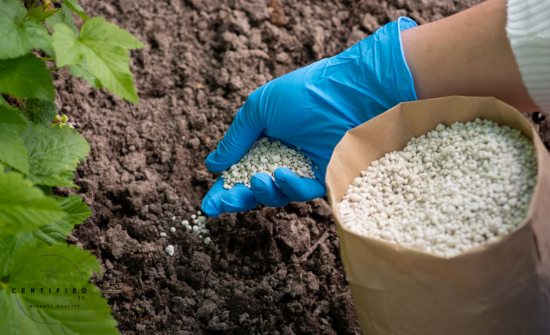
Before we dive into the equipment and procedures, let’s clarify what we mean by synthetic nutrients. In this context, we refer to salt-based nutrients, typically found in concentrated liquid or powdered forms. Unlike organic alternatives like molasses or bone meals, synthetic nutrients are precisely measured and come in bottles or packaged powders. In South Africa, the government has placed inorganic fertilizer under Group 1 which contains more than 100 g/kg of nitrogen (N), phosphorus (P) or potassium (K) as the main ingredients.

Essential Equipment

There are so many different essentials that will make growing with synthetics so much better. Unlike with traditional organic fertilizers, having accurate measurements changes everything. Hence why we list the following as the top 2 essentials for your synthetic nutrient regimen. 

The quality of your equipment matters. Consider your overall budget and the importance of the tool when making the purchasing decision and do as much research on the products as possible. There is a reason some pH meters cost 20 thousand rands and others only a few hundred rands. Be mindful of this. Please also remember that the way you handle the tools will greatly add to or take away from their precision and longevity. 

1. pH Testing

Maintaining the right pH level is crucial for nutrient absorption by plants. Synthetic nutrients often require specific pH ranges for optimal efficacy. Investing in a reliable pH testing kit is imperative to monitor and adjust the pH levels accurately. If you remember one of our first blogs on the topic of pH. It can be crucial to a specific growing methodology. Because synthetic nutrients are used mainly in hydroponic grows, we recommend that pH be closely monitored. Read more about it here: “pH doesn’t Matter.

2. Parts Per Million (PPM) / Electrical Conductivity (EC) / Total Dissolved Solids (TDS) Meters

Most of the time an EC meter will also convert the measurement to TDS or into PPM. Understanding the concentration of nutrients in your solution is vital. PPM measures the parts per million of dissolved substances in the water, providing insights into nutrient strength. This tool aids in preventing over-fertilization or nutrient deficiencies. EC meters measure the electrical conductivity of your nutrient solution. This metric helps gauge the overall nutrient concentration, giving you a deeper understanding of your plant’s nutritional intake. Similar to PPM meters, TDS meters quantify the concentration of dissolved substances in your solution. Monitoring TDS is crucial for adjusting nutrient levels accurately. Check out these tools here. 

The Importance of Growing Informed

In an organic setting. Not knowing everything is part of the beauty of it all. You rely on nature to do Its thing and you do your best to nurture the process. With synthetic nutrient inputs, it is always the input of the grower that will cause issues. Therefore knowing what is going on is one of the greatest assets in this fertigation methodology.

pH Testing and Nutrient Absorption

Plants absorb nutrients optimally within specific pH ranges. Regular pH testing ensures that your plants receive the nutrients in the most accessible form, preventing nutrient lockout or deficiencies. This enables a smooth grow from start to finish. When you get good at controlling and dialling in on pH. You will find that you can have plants uptake very specific nutrients at any time you prefer in the grow-cycle. Giving elite cannabis growers so much control usually turns growth into next-level operations.

Parts Per Million and Nutrient Precision

Synthetic nutrients provide specific nutrient concentrations per package, often measured in grams per kilo. Converting these measurements to parts per million allows growers to accurately dose their plants, preventing wastage and promoting efficient nutrient uptake.

Considerations for Grow Mediums

When selecting a growing medium for synthetic nutrient cultivation, it’s essential to consider the medium’s existing nutrient content. Some organic mediums may contain nutrients sufficient for the initial growth stages, requiring minimal additional supplementation. Others are completely inert. Which is what most growers using synthetic nutrients prefer. And like I mentioned earlier it is often used in Hydroponic setups.

Testing in Different Grow Mediums

Testing equipment becomes especially crucial when using inert mediums like coco coir, which lack inherent nutrients. Growers need to calculate and tailor nutrient solutions based on the specific requirements of their chosen medium. Whether the water is hard or soft and or if it is filtered in a R/O system before fertigation is all things that must be considered and at least tested for. It will create fewer headaches as you progress in the grow. 

Liquid vs. Powdered Nutrients

Is there a massive difference and does it matter which you use? I don’t believe so. Although, I am biased towards the one. Liquid nutrients are convenient, ready-to-use solutions that require minimal preparation. However, spillage and the need for regular shaking to distribute particles evenly can be drawbacks. Powdered nutrients offer precise measurements, reducing the risk of wastage. With proper weighing and dissolution techniques, growers can achieve accurate nutrient concentrations without the need for frequent shaking. However, storage needs to be done in a dry place. Any moisture that finds itself inside the powdered nutrients will cause issues with the concentration of the fertigation. Often liquid fertilizer will have many different parts. This can confuse newer growers and even some seasoned ones too. The best 3 part nutrient available on the market is most likely Mega Nutrients by Hydrobiz. Powdered Synthetic nutrients normally have only 2 – 3 parts. The most popular being Greenhouse Powder Feed or Hydroponic.co.za’s Horti-mix.

Final Thoughts and Tips

Fertigation is crucial in growing a crop that will rival in today’s markets or even have just more than above-average flowers. Selecting the proper nutrients can be difficult especially because of the amount of different products out there. I advise powdered nutrients. Something that comes in either 2 parts or 3. It is better to keep it simple in the beginning.

Research is Key

Knowledge is your most potent tool. Research the specific requirements of your chosen synthetic nutrients, understand the ideal pH ranges, and familiarize yourself with the equipment needed for accurate monitoring. Set time aside to learn everything required. No setup will be the same. However, trying to create an understanding of your environment and surroundings will drastically improve your ability to produce a more successful crop. 

Invest in Quality Equipment – If you can.

Having the best of the best equipment is not everything. Knowing how your tools work and ensuring you have quality tools and equipment that will last will make a difference. If your budget doesn’t allow for this. It is better to have something as a form of indication than to be blind. So spend your money wisely. Upgrade your equipment as the demand for better accuracy increases with your skillset. There is nothing wrong with an R600 pH meter if it is calibrated correctly and handled with care. Just understand the quality of the equipment you are working with. Your understanding of how pH works and your skills will bring about the need for more sophisticated equipment. 

Just because you have a Hanna Instrument pH meter doesn’t mean your understanding and interpretation of the reading are correct. Take this into consideration.  

Tailor Nutrient Solutions

Customize nutrient solutions based on your plant’s growth stage, medium, and environmental conditions. Regular monitoring and adjustments will contribute to healthier and more robust plant development. This takes time and a deep understanding of the nutrients you are using and the type of cannabis cultivar you are growing. My best suggestion would be to first grow some crops to completion before starting to twig too many things. It is better to take your time in understanding things than chopping and changing fertigation solutions.

Join a Community

Connect with fellow growers in forums or groups to share experiences and gain valuable insights. Learning from others’ successes and challenges can enhance your understanding and skills. The cannabis community can be tricky. Not all growers are willing to share their secrets but this doesn’t mean they are not willing to have a meaningful conversation around issues in the grow space or with plants and cultivars. A good community to look for is not too big and not too small. You do not want too many opinions to cloud your judgment on what is going on. As there are so many ways to skin the cat, it can leave a newbie very confused. Find a group with a few voices of authority. If finding a group is too difficult. Pop in by your local grow shop or nursery. An honest approach with some decent images and videos of your plant issues always will lead to answers. 

Thankfully, most are willing to help.

In conclusion, synthetic nutrient cultivation offers precision and control over plant nutrition. By arming yourself with knowledge and the right tools, you can unlock the full potential of your plants, resulting in a successful and fulfilling growing experience. And perhaps synthetic nutrients are not your thing. That is fine too. Just understand that there are different strokes for different folks. When used correctly and responsibly, inorganic fertilizers are just as sustainable as organic. And in some cases even more sustainable. 

Happy growing!

Please leave your thoughts and comments below. We love engaging and hearing from you.

Posted on

CalMag – It’s Like Panado to SA growers

Cal Mag, its like a panado

In the vast world of agriculture and horticulture, CalMag has emerged as a remedy for various ailments that plants may encounter. Just as a painkiller is a quick fix for minor human injuries, CalMag has become the go-to solution for growers when faced with issues in their crops. In this blog, we will delve into the reasons behind the popularity of CalMag, its benefits, and whether it truly deserves the status of a panacea for plant growers.

The Panado-pill of Plant Ailments

When growers spot issues with their plants, the instinctive reaction is often to incorporate CalMag into their fertigation regimens. The primary reason behind this lies in CalMag’s effectiveness in improving cation exchange capacity. Cation exchange capacity refers to the capacity of soil to hold to cations. And in turn, exchange nutrients with plant roots . this is a crucial process for nutrient absorption. If there are imbalances in charges on particles, nutrient lockout may occur, preventing the proper exchange of nutrients. CalMag plays a pivotal role in preventing such lockouts and ensuring a healthy nutrient exchange within the plant’s root system.

Decoding Cation Exchange Capacity

Cation exchange capacity involves the exchange of nutrients and the ability of cations to move in and out of the plant’s surface. Imbalances in charges can disrupt this process, leading to nutrient lockouts. CalMag’s role in enhancing cation exchange capacity makes it a valuable tool for growers seeking optimal nutrient absorption.

Calcium and Magnesium: Plant’s Essential Duo

Two of the most crucial secondary nutrients for plants are calcium and magnesium. Calcium contributes to cellular growth and communication, while magnesium aids in the production of chlorophyll, enzymes, and proteins. In an organic setting, these nutrients are often naturally abundant in the soil, especially when using hard or mineralized water. Simple additives like Epsom salts or gypsum can recalibrate calcium levels if needed after a soil test.

CalMag in Organic and Hydroponic Settings

In organic settings, where minerals are typically present, CalMag supplementation may be unnecessary. Hydroponic growers, on the other hand, often rely on reverse osmosis water, devoid of minerals. In such cases, CalMag becomes an essential additive to aid cation exchange capacity and ensure proper nutrient absorption by plant roots.

The Panado Effect: CalMag as the Go-To Solution

CalMag has earned its status as the “Panado” (a well-known painkiller brand) in the growing industry. Growers turn to CalMag at the first sign of plant discoloration or issues, as cation exchange capacity is often the culprit. While CalMag is undoubtedly beneficial, it’s essential to explore other potential factors contributing to nutrient deficiencies, such as pH imbalance, incorrect electrical conductivity, sunlight variations, or excesses of specific nutrients.

The first checkpoint in this holistic approach is scrutinizing the pH balance within the soil. Fluctuations in pH levels can significantly impact nutrient availability to plants, potentially leading to discoloration or growth issues. Additionally, growers must be attuned to the electrical conductivity of their fertigation, ensuring a harmonious blend that facilitates optimal nutrient absorption. Sunlight, a fundamental catalyst for photosynthesis, plays a pivotal role in plant health. Variations in sunlight exposure can influence the overall well-being of the crop, making it essential for growers to monitor and adjust accordingly. Lastly, an excess of specific nutrients, such as nitrogen, phosphorus, or potassium, may inadvertently contribute to plant deficiencies.

A Reliable Aid?

In conclusion, CalMag has rightfully earned its place as the go-to Panado-pill for many growers. Its role in enhancing cation exchange capacity and providing essential secondary nutrients makes it a reliable aid in ensuring healthy plant growth. However, growers should remain vigilant and consider other factors that may contribute to plant issues. CalMag is a valuable tool, but a comprehensive approach to plant care is essential for sustainable and thriving crops.

What are your thoughts on CalMag? Is it your go-to Panado-pill, or do you use it sparingly and only when absolutely necessary? Share your experiences and insights in the comments below!