Posted on

The Benefits of Juicing Cannabis

Benefits of juicing cannabis

Introduction

Pressed vegetable juices are growing in popularity on a global scale, and it’s no surprise that medical marijuana patients, caregivers, and healthcare professionals are now exploring the health benefits of juicing the cannabis plant. We know far and well that there is a medical benefit to using cannabis. But when the plant is psychoactive your body can only absorb so much cannabinoids. This article delves into the numerous advantages of juicing cannabis, its nutritional profile, and practical tips on how to incorporate this powerful plant into your daily routine. Increasing your overall well-being and absorption rate of the medicine you are trying to take.

What is Juicing?

Juicing involves extracting the liquid from fresh fruits and vegetables. This process retains most of the vitamins, minerals, and plant chemicals (phytonutrients) found in the whole vegetable. Commonly juiced vegetables include carrots, beets, kale, and spinach. Juicing offers a convenient way to consume a concentrated dose of these nutrients. Often added to breakfast or drank as a meal replacement. A fresh press juice machine is most likely at your favourite breakfast place, as it truly has become a staple to the breakfast menu.

Why Juice Cannabis?

Cannabis is unique among vegetables due to its high concentration of cannabinoid acids, like THCA, CBDA, and CBGA, which have significant medicinal benefits. Unlike traditional methods of consuming cannabis, juicing allows you to benefit from these compounds without the psychoactive effects. You get to ingest cannabis and benefit from it medically 100% in this manner. And yes believe it or not. Cannabis is actually a vegetable.


Nutritional Profile of Raw Cannabis

Raw cannabis is packed with essential nutrients such as fibre, iron, calcium, and a variety of vitamins. The cannabinoids THCA (tetrahydrocannabinolic acid), CBDA (cannabidiolic acid), and CBGA (cannabigerolic acid) are particularly noteworthy for their health benefits. These acids are of a plethora of cannabinoids found in cannabis. The ‘main ones’ we are aware of. THCA, CBDA and CBGA have all been studied to date with positive and amazing health benefits. As acids, the body can absorb almost all the bioavailable nutrients and minerals given by the juice. 

Health Benefits of Juicing Cannabis

Anti-inflammatory Properties

Cannabinoids have potent anti-inflammatory effects. Juicing raw cannabis helps reduce inflammation by enabling two-way communication between immune cells and nerves, which is crucial for managing chronic inflammation. There has also been great studies to show that CBGA can greatly reduce bladder inflammation specifically. 

Antioxidant Benefits

The high concentration of cannabinoid acids in raw cannabis acts as powerful antioxidants, helping to protect cells from damage caused by free radicals. This can reduce the risk of chronic diseases and improve overall health. Here CBDA has been proven to be the aider in this anti-oxidant recovery in cells. 

Neuroprotective Effects

Cannabinoids in raw cannabis support neuroprotective functions, which can help in maintaining brain health and potentially preventing neurodegenerative diseases. THCA and CBDA are once again the main components to make this happen. This is very interesting as most would say that psychoactive THC will most likely slow down the neuroprotective functions. This also is not 100% true. 

Two-Way Communication With Nerve Cells

One-way traffic to nerves is a primary cause of inflammation. Immune cells are continuously attacked without communication to calm the nerves. Cannabinoids enable two-way communication, reducing inflammation and fighting symptoms.

Dr. William Courtney,

a dietary raw cannabis specialist, emphasizes the importance of consuming raw cannabis. He recommends juicing 15 leaves and 2 large raw buds daily. According to Dr. Courtney, this provides a substantial dose of beneficial cannabinoids without the psychoactive effects of THC. When looking at my personal results, I can say that it has given the house extra energy and how health has improved. One can almost say that it is easier to notice the benefits once you stop taking the supplement compared to when you are taking it one cannot always say that you ‘feel’ better.

Scientific Backing

Studies show that raw cannabis can significantly benefit health. SAPHRA has approved a tolerable CBD dose of 600 mg/day, highlighting the potential of raw cannabis juice as a powerful dietary supplement. Consuming raw cannabis allows for higher cannabinoid intake compared to smoking or vaporising.

How to Juice Raw Cannabis

Importance of Fresh Cannabis

Fresh cannabis is crucial for juicing. Dried cannabis prepared for smoking is unsuitable. Ensure your cannabis is freshly picked and free from pesticides or contaminants.

Step-by-Step Juicing Process

Gather Fresh Cannabis: Collect 15 leaves and 2 large buds.

Prepare Other Vegetables: Mix with other vegetable juices like carrot juice to reduce bitterness.

Juice the Cannabis: Use a high-quality juicer.

Store Properly: Split the juice into 3 parts, store in a sealed container, and refrigerate for up to 3 days.

Growing Your Own Cannabis

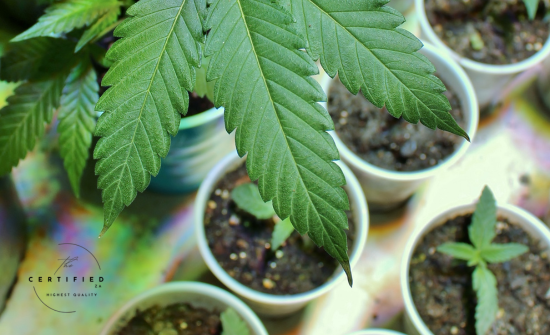
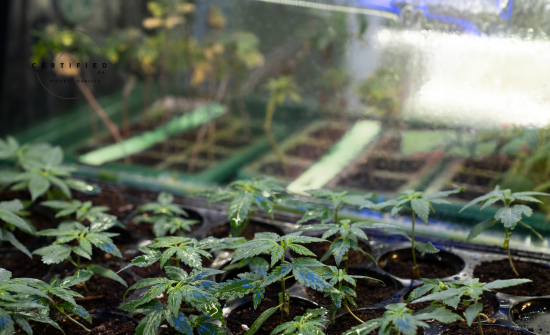
To ensure access to fresh cannabis, consider growing your own plants. As South Africans, we have the right to grow our own and you should. We are not saying sustain yourself off your own cannabis cultivation, but what we suggest is growing cannabis year round whether it is one or two plants in order to be able to have fresh leaves at least to juice. When harvesting season comes. Consider harvesting fresh flowers and putting them aside for your juicing. During the vegetative stages, I grab roughly 28g of foliage from the plants. 


Combining Cannabis Juice with Other Juices

Mixing cannabis juice with other vegetable juices helps mask its bitterness. Carrot juice is a popular choice. A 1:10 ratio of cannabis juice to carrot juice is recommended. Also, add the usual suspects like beets, oranges, lemons, apples and or pears in your mix. Split your cannabis juice intake into three servings, one with each meal. This maximises absorption and maintains a steady level of cannabinoids in your system throughout the day. Don’t forget to shake your juice before you drink it.

Conclusion

Juicing cannabis offers a plethora of health benefits, from reducing inflammation to providing powerful antioxidants and neuroprotective effects. By incorporating raw cannabis juice into your daily routine, you can take advantage of its nutritional and medicinal properties without experiencing psychoactive effects. Embrace this natural remedy and explore the potential it holds for improving your health and well-being.

Have you tried it before? Let us know what your favourite Cannabis Juice recipe is below.

Posted on

Do you even speak Terpenes?

Do you even speak terpenes feature image

Terpenes are the aromatic compounds responsible for the distinctive scents and flavours found in various plants, including cannabis. In recent years, terpenes have gained significant attention within the cannabis community for their role in shaping the overall cannabis experience. So much so, that certain dispensaries list the chemo-var first before the strain name. This classifies the plant according to its chemical compounds. Chemovars considers the plant’s most potent cannabinoids and up to four primary terpenes, which make up most of the plant’s therapeutic, psychoactive, and flavour profile. Let’s delve deeper into the world of terpenes and explore why they matter.

What are Terpenes?

Terpenes are organic compounds produced by a variety of plants, including cannabis. They are responsible for the characteristic smells and flavours associated with different plant species. Terpenes serve a protective function in plants, helping to deter herbivores and attract beneficial predators. In cannabis, terpenes are secreted in the same glandular trichomes that produce cannabinoids like THC and CBD.

Terpenes in Cannabis

Cannabis plants contain a diverse array of terpenes, each contributing to the unique qualities of different strains. These terpenes are not only responsible for the aroma and flavour but also play a significant role in the effects experienced by users. The synergy between terpenes and cannabinoids creates what is known as the entourage effect, where these compounds work together to enhance therapeutic benefits. This synergy between the two is truly remarkable. As we learn more about terpenes we find that the healing and entourage effect stems from the complexity of terpenes that the cannabis plant produces.

Common Terpenes Found in Cannabis

Several terpenes are commonly found in cannabis, each with its own distinct properties:

Limonene: Citrusy aroma, associated with mood elevation and stress relief.

Myrcene: Earthy and musky scent, known for its relaxing effects.

Pinene: Pine-like aroma, may have anti-inflammatory properties.

Linalool: Floral and lavender-like scent, often used for its calming effects.

Effects of Terpenes

They can modulate the effects of cannabinoids by interacting with receptors in the brain. For example, limonene is thought to elevate mood and reduce stress, while myrcene contributes to sedative effects. The specific combination and concentration of terpenes in a strain determine its unique effects on the body and mind.

Recognizing Terpenes in Cannabis

The ability to identify different terpenes based on their aromas is essential for cannabis enthusiasts. Each strain has a distinct smell profile influenced by its terpene composition. Learning to recognize these aromas can enhance the appreciation of cannabis and aid in selecting strains that suit individual preferences. Note that as the cannabis flowers mature towards ripening the terpenes and flavonoids fluctuate and change. As these oil compounds are fragile in certain conditions it is always advised when growing. To monitor the oil production and check to see if they are mature enough to harvest. Also when purchasing, it is important to note that the same strain might not produce the same amounts of terpenes. Hence why it is important to know how you will react to certain terpenes.

Focusing on the chemical compounds produced it becomes easier to target ailments as well as avoid giving someone a strain of cannabis that could spike their anxiety for example. Just because the strain is labelled “indica” does not mean that it will only have sedative effects.

How Terpenes Enhance the Cannabis Experience

They play a crucial role in enhancing the overall cannabis experience. Beyond just taste and smell, terpenes contribute to the therapeutic effects and nuances of each strain. They can influence mood, relaxation, and even physical sensations, making them a key factor in selecting the right strain for desired outcomes.

The Science Behind Terpenes

Recent research has shed light on the therapeutic potential of terpenes beyond their aromatic qualities. Studies suggest that terpenes can have anti-inflammatory, antimicrobial, and neuroprotective effects. Understanding the science behind terpenes opens up new possibilities for utilizing these compounds in various applications. There are many already looking into essential oil making for medicinal benefit. With sophisticated machinery on the market, it was only a matter of time until we were able to get our hands on terpenes only. Known to the streets as “sauce”.

Terpene Culture

Just like anything else there has become a niche market for the lovers of flavours. Some even refer to it as Terpenees, for those that only speak in chemovar. Real bro’s that not only love flavours but understand the therapeutic values. This is the most progressive group in the cannabis culture. They believe that chemovar identification will be the future of cannabis and no one will refer to cannabis strains. Not only is chemovar talk the most accurate way for therapeutic targeting with cannabis, but it is also the most accurate way to identify which effect the cannabis will produce for you. What do you think of this?

Terpenes Beyond Cannabis

Terpenes are not unique to cannabis and are found in numerous plants and herbs. Each plant species has its own terpene profile, contributing to its distinct aroma and flavour. Exploring terpenes in other plants can broaden our understanding of these compounds and their diverse uses.

Exploring Terpene-Rich Strains

For those interested in exploring terpene-rich strains, there are several recommendations. Look for strains known for their pronounced aroma and specific terpene profiles. Experimenting with different strains can help individuals identify their preferred terpene combinations for desired effects. Thankfully our world today is much different than before. Access to all sorts of strains and varieties are available and growers as well as cannabis connoisseurs truly get to explore so much more than before. There are breeders who focus solely on cannabis that can produce complex chemovars and then there are breeders focusing on producing distinct and unique flavours and compounds. The choices are limitless in the 21st century.

Growing Terpene-Rich Cannabis

Growers can influence terpene production by optimizing growing conditions. Factors like temperature, humidity, and nutrient levels can impact terpene development in cannabis plants. Choosing genetics known for terpene-rich profiles and employing proper cultivation techniques can maximize terpene content in harvested buds. Just like towards the end, it can be ruined by not taking the said mentioned into account. These oils can spoil. So it is important to give gratitude for amazing cannabis with off-the-chart terpenes. The preservation of these oils is a skill in itself.

Where to Learn More

To delve deeper into the world of terpenes, explore resources like Seedfinder.eu, which provides detailed information on terpene profiles of various cannabis strains. Learning about terpenes can enhance your cannabis knowledge and appreciation for the plant’s diverse qualities.

Understanding terpenes is key to fully appreciating the complexities of cannabis. These aromatic compounds not only contribute to the smell and taste of different strains but also play a crucial role in shaping their effects on the body and mind. By recognizing and exploring terpenes, cannabis enthusiasts can deepen their enjoyment and understanding of this versatile plant.

Posted on

Weed Budgets are Getting out of Hand

In today’s society, the topic of cannabis has become increasingly prevalent, not only for its medicinal benefits but also for recreational enjoyment. However, with the growing acceptance and availability of cannabis products, many individuals find themselves struggling to manage their spending on weed. This article aims to address the issue of weed budgets spiralling out of control and offers practical tips for responsible budgeting in the realm of cannabis consumption. We all want to smoke but we have to be mindful of what it is doing to our well-being and finances. To give you an idea. When I started smoking weed, we spent roughly R100 for the month on all the cannabis. Years later that evolved to a R400 expense. Today my monthly budget for cannabis is at R1600.

Issue of Weed Budgets

The surge in cannabis decriminalization and accessibility has led to a corresponding increase in its consumption. While this newfound freedom to enjoy cannabis is undoubtedly liberating for many, it also comes with financial implications. More and more individuals are finding that their weed budgets are stretching beyond their means, leading to financial strain and stress. When in reality the accessibility of cannabis that was budgeted for in the past is still there readily available. The market shift has caused issues for people. Making them feel as if they cannot “hang” with others because of the quality or variety of cannabis they have around them. Taking it too far, and hurting your pockets just for a better quality of cannabis isn’t always a better thing. Especially when you are overspending

Weed Budget

Importance of Budgeting for Cannabis

Like any other aspect of life, it’s crucial to approach cannabis consumption with a mindful and responsible attitude. Treating cannabis expenses as you would any other life expense is paramount to maintaining financial stability. Whether it’s for medical purposes or recreational enjoyment, incorporating cannabis into your monthly budget ensures that you can indulge without jeopardizing your financial well-being. Have you ever tracked your cannabis spending? I am sure that you will be shocked by the number you are spending if you have not looked at it constructively. 

Determining Your Income and Expenses

The first step in crafting a weed budget is understanding your financial situation. Assess your income sources, whether it’s a steady paycheck or freelance gigs, and calculate your existing expenses. This blog never existed to give financial advice, but it is going to help you create a better relationship with cannabis too. So consider working out the numbers. Can you afford that R120 a gram of cannabis or are you supposed to spend R120 on cannabis in total?

Prioritizing Cannabis Spending

For medical marijuana patients, cannabis purchases are akin to any other prescribed medicine and should be prioritized accordingly. However, for recreational users, cannabis spending may fall into the category of non-necessities, alongside other leisure activities like trips to the movies or subscription services. In most stoner households. Cannabis is the first expense sorted. Which leads to it running out first in the house and having to be replaced. Are you a medical user or a recreational? Does this intense requirement for cannabis exist in your life? Does your bank account feel the same way you do? Think about this.

Quality vs Quantity Struggle

This is the hardest thing for most who have a tight budget in general. It is nearly impossible to find outstanding cannabis for a low price. So finding this balance for those with very little to spend on cannabis is difficult. What I recommend is to go for quantity instead of quality if that is the case. It is better to buy an R50 bag that can last 3 days than to spend it on 1g of greenhouse-grown cannabis that will be burnt in one sitting. Yes, the effects are not the same but the medicinal value is still there. 

Setting Realistic Budgets

Once you’ve determined where cannabis fits into your budget, it’s essential to set realistic spending limits. Consider your income and existing expenses to establish a reasonable allocation for cannabis each week or month. Striking a balance between enjoyment and financial responsibility ensures that you can indulge in cannabis without overspending. 

Keeping a close eye on your cannabis spending habits is key to staying within budget. Track your expenses regularly and compare them to your budgeted amount. If you find yourself consistently overspending, it may be time to reassess your habits and make necessary adjustments to bring your spending back in line. My approach to this is to ensure I only use a certain amount of grams a week. Every start of the week I ensure I have par levels. Because of this, I have tried to ensure that I do not smoke the allocated grammage out before the weekends. This in turn ensures that I underspend as only buying a full section a week will be equivalent to the budgeted amount. 

Generosity and Accessory Spending

Be mindful of overspending on cannabis-related accessories or being overly generous when sharing with friends. Consider selling unused items or taking a break from collecting to save money. Setting boundaries. There is nothing worse than spending money on something you do not need. Take a break from buying the glass bowls… You already have 10 and only use 1… Buy nothing instead. Also, believe it or not. Your friends know you chip in the most always so there is never an issue for them to come to you. If you are truly ok with this. Consider budgeting for these types of occasions. 

If you find that your budget is unrealistic or unsustainable, don’t be afraid to reevaluate and make changes. Identify areas where you can cut back on frivolous spending elsewhere to allocate more towards your cannabis budget. Finding a balance between necessities and non-necessities is essential for financial well-being.

Utilize tools like spreadsheets or budgeting apps to track your cannabis expenses effectively. Whether it’s Excel or Mint by Intuit, finding a method that works for you makes it easier to monitor your spending and make adjustments as needed. By staying diligent with tracking, you can ensure that your cannabis budget remains on track.

Staying True to Financial Goals

Remember the intention behind your budgeting efforts and let it guide you in staying on track. Whether it’s building savings, reducing unnecessary expenses, or simply maintaining financial stability, keeping your goals in mind helps you remain committed to responsible cannabis spending. Managing your weed budget is essential for maintaining financial health and well-being. By treating cannabis expenses like any other life expense, setting realistic budgets, and staying vigilant with tracking spending habits, you can enjoy cannabis responsibly without overspending. Remember, it’s all about finding balance and staying true to your financial goals.

Posted on

Cannabis and Hops: Unexpected Cousins

Cannabis and hops image

In the world of plants, mysteries often lurk beneath the surface, waiting to be uncovered by curious minds. One such enigma lies within the Cannabaceae family, where two beloved botanicals, cannabis, and hops, share a remarkable bond. As we delve into the intricacies of their relationship, a captivating tale of common ancestry, shared traits, and potential synergies unfolds.

Common Ancestry

The journey begins with a revelation: cannabis and hops, seemingly disparate in appearance and application, trace their roots back to a common ancestor. This evolutionary link, hidden in the depths of botanical history, sheds light on the undeniable kinship between these two plants.

Unlocking the sensory allure of cannabis and hops unveils a striking resemblance in their aromatic profiles. From earthy undertones to citrusy zest, the flavours and fragrances that tantalize the senses bear a remarkable resemblance. Could this shared sensory experience be more than a mere coincidence?

Terpenes: The Common Denominator

Enter the world of terpenes, nature’s aromatic artisans, responsible for infusing plants with their distinctive scents and flavours. These organic compounds, synthesized within specific plant cells, serve as the building blocks of botanical allure. In the intricate tapestry of terpenes, cannabis and hops emerge as kindred spirits, boasting a diverse array of aromatic delights. From the zesty embrace of limonene to the piney allure of pinene, these botanical cousins share a common language of scent and taste.

Taxonomy of the Cannabaceae Family

Before molecular biology unravelled the mysteries of genetic lineage, cannabis and hops found themselves categorized within the Urticales family. Yet, as scientists delved deeper into the DNA blueprint of plants, a paradigm-shifting revelation emerged.

In the annals of botanical taxonomy, a seismic shift occurred in 2002, as molecular biologists unveiled the true familial ties between cannabis and hops. Within the Cannabaceae family, a shared genetic heritage bound these botanical brethren together, rewriting the narrative of plant evolution. The key difference is that although there are certain cannabinoids found in hops, it lack the enzyme to convert cannabigerolic acid into CBD or THC.

Exploring the Genetic Relationship

Beyond the realm of sensory delight lies a deeper truth: the genetic relationship between cannabis and hops holds clues to their shared ancestry. As scientists unravel the evolutionary tapestry of the Cannabaceae family, a tale of botanical evolution unfolds. From agricultural practices to pharmaceutical innovations, the genetic bond between cannabis and hops opens doors to a world of possibilities. Could this shared lineage pave the way for groundbreaking discoveries in medicine, agriculture, and beyond? A question some are working towards. Not only do cannabis and hops have medical properties the synergy between the two could allow for very unique medicines that target ailment-specific treatments.

Breeders and botanists explore the frontiers of hybridization, seeking to unlock the full potential of cannabis-hops hybrids. From terpene-rich cultivars to novel genetic combinations, the future of botanical synergy beckons. These solutions will unlock more medical potential than recreational. Let us just bear this in mind. 

Market Trends and Consumer Preferences

As consumer preferences evolve and regulatory landscapes shift, the market for cannabis and hops continues to evolve. From artisanal breweries to pharmaceutical giants, stakeholders across industries chart a course toward a future shaped by innovation and demand.

Cannabis and Hops: The Union of Two Plants

In the ever-evolving landscape of libations, an interesting fusion awaits: cannabis-infused beer. As craft brewers and cannabis enthusiasts alike embark on a journey of experimentation, the marriage of these two plants beckons to adventurous palates. There are many attempts at making these beverages. Some have found that it produces a unique flavour. Others say that at this point it is just a gimmick. Smoking a joint and having a beer separately is still a thing people will prefer. 

Varieties and Consumption Trends

From non-psychoactive brews to THC-infused concoctions, the spectrum of cannabis beer reflects a kaleidoscope of flavour and potency. Whether sipping on a crisp ale or indulging in a potent elixir, consumers navigate a landscape shaped by innovation and regulation. The more popular brands in South Africa for infused ciders and beers would be Durban Poison (a Larger) and Folks Lure ( a cider, served in apple or passionfruit). Both products speak to different consumers. 

Health Benefits and Risks

While cannabis and hops offer a spectrum of health benefits, from stress relief to pain management, navigating the nuances of consumption requires caution and informed decision-making. Alcohol is still just that. It will always have the potential to harm your body, something that cannabis won’t affect in that regard. Noting that when you mix cannabis and alcohol most of the time people end up sick. This risk of getting a “greenie” could be more real for some than others. 

Cultural Significance and Traditions

From ancient rituals to modern celebrations, cannabis and hops have played pivotal roles in cultural traditions around the world. Whether brewed into sacred elixirs or woven into social fabric, these plants bear witness to the tapestry of human experience. It is very unlikely that either one of the two will be exiled from human societies as for thousands of years liquor and cannabis have relaxed and healed so many.

Have you ever tried cannabis-infused alcohol? Beer or Gin? There are also cool Sodas available that are completely alcohol-free. 

The combination is something being experimented with daily. What is your take on this? 

Posted on

Weed is Stronger Than Ever: Is this a good thing?

Weed is stronger than ever

As a seasoned vet in the industry, it’s evident that the landscape of cannabis consumption has undergone profound changes in recent years. From the evolving potency of cannabis products to groundbreaking research shedding light on its effects, there’s a wealth of information to explore.

The Potency Paradox

One of the most notable shifts in the cannabis industry is the remarkable increase in potency. Gone are the days of mild strains with THC levels hovering around 5-6%. Today’s cannabis products boast THC concentrations reaching as high as 25% or even 90% in concentrated forms like oils and edibles. This surge in potency has been fueled by advancements in cultivation techniques and selective breeding aimed at maximising THC content.

While some may view this increase in potency with apprehension, it’s essential to understand that potency alone does not dictate the effects of cannabis. Recent research has challenged the notion that higher potency equates to increased impairment. 

In fact, studies have shown that for regular, near-daily cannabis users in familiar environments, there may be little to no difference in cognition between being sober and being under the influence of cannabis. This finding challenges long-standing stereotypes about the cognitive effects of marijuana use and underscores the importance of considering factors such as frequency of use and environmental context.

How strong was the weed?

Back in the early 2000s late 90s. Cannabis potency was topping out at about 15% with outliers coming in at 19%. Strong cannabis that used to sit us all down. Strains like Chronic and Skunk. 

Known to have gotten the job done, today will be considered not potent at all. A remarkable achievement in cultivation techniques and methodologies is to blame. People are getting more talented every year and their skills increase. They are allowing for more and more specialised cannabis strains. Bred for specific levels of potency and effects. In the past, it was about completing the grow with little to no hick ups and moving it. The discussion on how strong the weed was, wasn’t an actual conversation that was had. It was something merely appreciated about the cannabis.

How strong is the weed today?

Well in today’s market. Everyone wants to know how strong the weed is. The market is sophisticated enough to provide the answers too. Something we should all be thankful for. But even so, the average percentage of THC levels is roughly 19% these days. With cannabis strains breaking records on THC % every year. In 2023 the highest THC levels were at 36% in cannabis flower. Ridiculous. Makes you wonder to what end it has to be that potent. 

A Rich History

Despite its modern resurgence, cannabis has a rich and storied history dating back thousands of years. First domesticated in East Asia, cannabis has been utilized for a myriad of purposes, from making hemp rope and clothing to serving as a source of food through its oily seeds. Evidence of cannabis use can be traced back to ancient civilizations, with archaeological finds revealing its presence in burial sites dating back thousands of years. This long history underscores the enduring relationship between humans and cannabis, spanning cultures and continents.

The Science Behind Cannabis

Advancements in scientific research have also played a pivotal role in shaping our understanding of cannabis. With over 100 active cannabinoids, including well-known compounds like THC and CBD, researchers are continually exploring the therapeutic potential of these compounds. While cannabinoids have become widespread in various products, their full effects are still being determined. The illegality of cannabis for much of modern history has posed challenges to research efforts, but recent strides have been made in unravelling the mysteries of cannabis and its compounds. Making it easier for us to understand all the benefits that the plant has for us.

One notable example is the groundbreaking research conducted by UBC doctoral candidate Michelle St. Pierre. Through her studies, St. Pierre sought to investigate how cannabis impacts cognition, particularly in familiar environments. Contrary to stereotypes, her findings revealed little to no impairment in cognitive function for regular cannabis users in familiar settings. This research challenges preconceived notions about the cognitive effects of cannabis use and highlights the importance of conducting studies in real-world contexts.

Kicking the Idea that a person stoned cannot function and that they are lazier. A type of stigma that needs to be broken. The question I have is, How do we break this stigma if one research is still lacking and 2 the weed is becoming so potent? We as users need to take more responsibility for what is happening in the market and learn to say “No” to certain things that will give us a bad rep. 

Looking Ahead

As the cannabis industry continues to evolve, it’s crucial to separate fact from fiction and dispel long-standing myths surrounding cannabis. From its ancient origins to its modern resurgence, cannabis has played a significant role in human history, with its potential for therapeutic use being increasingly recognized. As researchers delve deeper into the science of cannabis, we can expect to uncover new insights and unlock the full potential of this remarkable plant.

And while weed may indeed be stronger than ever, it’s essential to approach the topic with nuance and an understanding of the complex interplay between potency, usage patterns, and environmental factors. By staying informed and embracing evidence-based research, we can navigate the ever-changing landscape of cannabis with clarity and insight.

We know already that potency isn’t everything, yet the push for stronger bud continues. It is only by wanting to accept this that we can look to more healing and overall better cannabis for our well-being.

Leave your thoughts on the matter below.

Posted on

Brick Weed, will it remain forever?

Brick weed feature image

Brick weed, often referred to as “Outdoor” or “Swazi,” has long been a staple in the cannabis community. Despite its lower quality and stigma, brick weed persists as a popular choice for many due to its affordability and medicinal properties. With so many different strains being grown and mixed over time, it’s hard to know what you will be getting. But with a rising market and all walks of life having access to better quality cannabis. I believe these producers of such an integral part of our lives might be at risk… Let me explain. 

Understanding Brick Weed: Origins and Characteristics

Brick weed originates from rural areas in Swaziland, Lesotho, KwaZulu Natal and the Eastern Cape. It is typically grown with minimal care in mountainous regions, resulting in lower quality and rudimentary cultivation practices. If I can take you back a few years only… before any hype before any decriminalisation… When growing cannabis was the biggest secret you have ever kept. Growing cannabis in a guerilla setting is what there was. We had no other choice. Doing it in the urban areas was just a higher risk. An appetite only reserved for the few. Farmers in these areas rely on the income they make from the patch of seeds they sow. As for them, the risk remains too. Cannabis is not a crop we can freely grow and so therefore these farmers really cannot afford to get caught. This results in less time spent overall and allowing nature to do its thing. There are parts of the mountains that naturally grow cannabis year-round too. Thousands of plants most of which get harvested dried and moved all over. 

Factors Contributing to Its Longevity

Despite advancements in cannabis cultivation and the availability of higher-quality alternatives, brick weed continues to endure due to its accessibility and affordability, catering to individuals with limited financial resources. Not to mention it is available everywhere. I have seen it being sold out of local grocery stores, street corners, churches, corporate offices and parks. There is not a place in South Africa where basic “outdoor” is not available. Even in the most basic or dry parts of our country, you will at least find some Swazi dagga. Rest assured. But for how long still? 

The Impact of Brick Weed on Cannabis Culture

Brick weed holds a significant place in cannabis culture, serving as a nostalgic reminder of earlier consumption practices. It is still a staple to many who can only afford R100 or less worth of cannabis. However, we can see that the market is starting to shift. More quality cannabis at affordable pricing is opening things up to the consumer who would never then be able to afford the higher-priced weed. We will never see an entire market captured by the “craft” space. It certainly is not the hope of The Certified Za, a Premium Store to see regular old Swazi disappear. There is a place for us all. You will catch me smoking any type of weed, any time of the day. If there are seeds I will pick them out. I am not fussy. 

The Evolution of Cannabis Consumption Preferences

As cannabis legalisation and acceptance grow, consumers are increasingly opting for higher-grade flowers with superior potency and flavour profiles. This shift in preferences poses a challenge to the continued viability of brickweed in the market. More people each year are starting to grow their own and embracing the idea of having their little cannabis patch. Not to last forever but so they don’t have to buy all the time. If the trend keeps rising at some point in time more people will turn to other alternatives. There is something about growing your cannabis. The quality you can produce… It will make you only want craft. It’s weird. But it is a thing.

Economic Implications of Brick Weed

The economic significance of brick weed cannot be overlooked, especially in regions where it serves as a primary source of income for rural communities. To so many, it is all they have. And with a potential diminish in market share we, the community must think about this from an economic standpoint. It is great for us that the market is growing and getting more and more sophisticated. But we must recognise that some lack the technological advancements to progress with the market. It will cause economic strain in some areas and we need to make a plan for this. 

Initiatives to Improve Brick Weed Quality

Efforts to enhance the quality of brick weed include providing education and resources to rural farmers, promoting sustainable cultivation practices, and facilitating access to modern growing techniques. There are already initiatives underway as there are more than a few that recognised this threat early. Check out some of the great work by Simon The Strain Hunter

Bridging the Gap: Support for Rural Cannabis Farmers

Supporting rural cannabis farmers is essential for preserving their livelihoods and ensuring the continued availability of affordable cannabis options. Initiatives to improve infrastructure and foster innovation can help bridge the gap between traditional and modern cultivation methods. It is awesome to know that the bridge is being built. And it’s thanks to the support of the community. Whether they know it or not.

The Future of Brick Weed: Trends and Forecasts

While brickweed may persist in the market, its dominance will likely decline as consumers prioritize quality over affordability. However, its cultural significance and economic impact will continue to shape the cannabis industry for years to come.

In conclusion, it remains a prevalent choice for many cannabis consumers despite its lower quality and stigma. However, as the industry evolves and consumer preferences shift towards higher-grade flowers, the future of brick weed remains uncertain. Efforts to support rural cannabis farmers and improve cultivation practices are essential for ensuring the sustainability of this traditional form of cannabis. Because always remember. It’s all medicine even if it’s not all medical.

Posted on

THC-a Diamonds: Delicacy or Drug?

THC-A diamonds feature image

As the cannabis market becomes more and more sophisticated so too are the extraction technicians with their techniques. At the top of hydrocarbon extractions sits one extract, THC-A diamonds, a potent and visually striking cannabis extract. These crystalline formations resemble clear diamonds. They undoubtedly also look very similar to hardcore illicit substances. The very thing we as cannabis users tried so hard to separate ourselves from.  In this article, we delve into the intricacies of THC-a diamonds, exploring their production, market demand, and ethical implications. Is coming full circle really what we want? Let’s discuss.

Evolution of Cannabis Extracts

Cannabis extracts have a long and varied history, dating back centuries. Initially used for their medicinal properties, extracts were prized for their potency and efficacy. However, with advancements in extraction techniques and growing consumer demand, the landscape of cannabis extracts has evolved significantly. What began as a delicacy or a means to enhance potency has transformed into a specialized niche within the cannabis industry. There is even a sub-niche market with the consumer only preferring one type of extraction over the other. Heated debates over which is better or cleaner etc. always happen.

THC-a diamonds are typically produced using a subcritical extraction method, using hydrocarbons such as butane or propane. This process carried out at low temperatures, allows for the extraction of THC-a while preserving its crystalline structure. Because temperatures are as ranging between -45 and -58 C all compounds extracted are in their raw form. Nothing is lost because there is no heat present. The resulting extract is then subjected to a separation process that takes several weeks to complete. The end product is a pure form of THC-a, separated with other things such as “sauce” terpenes, wax and sugars. 

Physical Characteristics of THC-a Diamonds

One of the defining features of THC-a diamonds is their appearance. These crystalline formations are translucent and have a texture reminiscent of hard rocks. Diamonds are a girl’s best friend, right? Well, think about this. Despite their purity and potency, the visual similarity to drugs poses challenges in terms of public perception and regulatory scrutiny. Yes, they are hard like rocks… Crack rocks… Which is not a good look to some who still have no tolerance for cannabis. When stoners see cannabis diamonds for the first time they look just as confused as those that don’t use it when they see it. That is because it looks like what it looks like. If you are pulled over with some THC-a Diamonds in a container, how would the police officer by the first impression know that it is not meth they are looking at? Please consider this.

Market Demand and Perception

Despite these challenges, THC-a diamonds have garnered significant attention from consumers seeking sophisticated and high-end cannabis products. The allure of these crystalline formations lies in their potency and exclusivity, with producers and growers dedicating their expertise to perfecting the extraction process. It truly is the pinnacle of extraction, in the hydrocarbon space. The 710 community has embraced this extract with open arms as they know what it is and the work that goes into it. 

Medical Applications

Beyond their recreational appeal, THC-a diamonds hold promise for medical applications. The high concentration of THC-a offers potential therapeutic benefits, particularly for patients seeking relief from pain, inflammation, and other medical conditions. However, the potency of these extracts necessitates careful dosing. They are pure. And overdoing it can easily occur. Another alternative would be to ingest small amounts of the THC-a Diamonds. Most smokers reading this will cringe at that thought. But in a medical mindset, it would be like juicing raw flowers.

Recreational Use and Potency

The potency of THC-a diamonds raises concerns regarding their recreational use. While some consumers may seek out these extracts for their intense effects, others may find them overwhelming or even anxiety-inducing. This highlights the broader debate over the purpose of cannabis consumption and the balance between recreational enjoyment and responsible use. Something I am serious about. We as a community have to start admitting that there are issues. And that cannabis can be of detriment. And with anything in life. Too much of anything is bad for you. 

Ethical and Social Implications

The production and marketing of THC-a diamonds raise ethical questions about their resemblance to drugs and the potential impact on societal perceptions of cannabis. While some may argue that these extracts represent progress and innovation within the industry, others view them as a step backwards, reinforcing negative stereotypes and undermining efforts to destigmatize cannabis use. Regardless of the stance you take. It is important to know that there is a space for everything, and only with real education and conversation can things be understood. As bad as these diamonds look to some they look absolutely beautiful to others. Some only wish they could find themselves in an environment to experience this amazing work of art.

Industry Perspectives

Producers and growers within the cannabis industry hold diverse perspectives on THC-a diamonds. While some embrace the challenge of perfecting the extraction process and meeting consumer demand, others don’t believe it is worth their time and effort. The process is long and can fail at any point during the 8-9 week period. The failed product becomes sugar. Which is still an amazing product, sought after by all of the 710 community. Hence why most producers just stop at the sugar step. 

Personal Opinion

In my opinion, THC-a diamonds represent both the potential and pitfalls of cannabis extraction. While their purity and potency offer new possibilities for medical and recreational use, their visual resemblance to illicit substances raises valid concerns about public perception and regulatory oversight. As the cannabis industry continues to evolve, it is essential to strike a balance between innovation and responsibility, ensuring that products like THC-a diamonds contribute positively to the broader goals of legalisation and acceptance. For this very reason, we have also asked our producer to create Orbeez. A post-processed THC-A diamond blended with sauce. To create crystal droplets. Like something out of a movie….


THC-a diamonds occupy a unique position within the cannabis market, combining potency, purity, and controversy in equal measure. While their production and consumption raise ethical and regulatory challenges, they also represent innovation and progress within the industry. As society grapples with shifting attitudes towards cannabis, it is essential to approach products like THC-a diamonds with careful consideration and a commitment to responsible use and regulation. We at the certified are proud to offer THC-A diamonds and Orbeez on our catalogue. This farmer has worked tirelessly and has dedicated his life’s work to perfecting this craft. We are here to celebrate it. A delicacy once too expensive for most is now available here, the place with the Highest Quality at the most affordable prices.

Leave your thoughts below.

Posted on

Synthetic Nutrients: What to consider.

Synthetic Nutrients Feature

The journey of synthetic nutrient cultivation can be both thrilling and daunting. Many believe it is not ok to use such fertigation methodologies due to commercial agriculture. There is a lot of misperception and confusion. But regardless of this. I am not here to debate Synthetic or Organic fertigation but rather to share my perspective on synthetic nutrients with those looking to get started with them. We’ll delve into some of the nuances of using salt-based nutrients, explore essential equipment, highlight the significance of each element, and address common pitfalls for those venturing into this realm.

Perhaps this week’s topic is very different to our usual things. But at times I just have to get some things off my chest. So I hope you understand…

Understanding Synthetic Nutrients

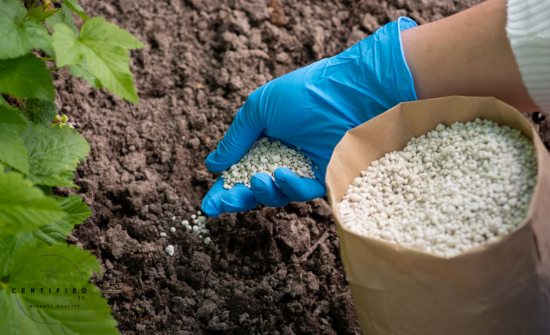
Before we dive into the equipment and procedures, let’s clarify what we mean by synthetic nutrients. In this context, we refer to salt-based nutrients, typically found in concentrated liquid or powdered forms. Unlike organic alternatives like molasses or bone meals, synthetic nutrients are precisely measured and come in bottles or packaged powders. In South Africa, the government has placed inorganic fertilizer under Group 1 which contains more than 100 g/kg of nitrogen (N), phosphorus (P) or potassium (K) as the main ingredients.

Essential Equipment

There are so many different essentials that will make growing with synthetics so much better. Unlike with traditional organic fertilizers, having accurate measurements changes everything. Hence why we list the following as the top 2 essentials for your synthetic nutrient regimen. 

The quality of your equipment matters. Consider your overall budget and the importance of the tool when making the purchasing decision and do as much research on the products as possible. There is a reason some pH meters cost 20 thousand rands and others only a few hundred rands. Be mindful of this. Please also remember that the way you handle the tools will greatly add to or take away from their precision and longevity. 

1. pH Testing

Maintaining the right pH level is crucial for nutrient absorption by plants. Synthetic nutrients often require specific pH ranges for optimal efficacy. Investing in a reliable pH testing kit is imperative to monitor and adjust the pH levels accurately. If you remember one of our first blogs on the topic of pH. It can be crucial to a specific growing methodology. Because synthetic nutrients are used mainly in hydroponic grows, we recommend that pH be closely monitored. Read more about it here: “pH doesn’t Matter.

2. Parts Per Million (PPM) / Electrical Conductivity (EC) / Total Dissolved Solids (TDS) Meters

Most of the time an EC meter will also convert the measurement to TDS or into PPM. Understanding the concentration of nutrients in your solution is vital. PPM measures the parts per million of dissolved substances in the water, providing insights into nutrient strength. This tool aids in preventing over-fertilization or nutrient deficiencies. EC meters measure the electrical conductivity of your nutrient solution. This metric helps gauge the overall nutrient concentration, giving you a deeper understanding of your plant’s nutritional intake. Similar to PPM meters, TDS meters quantify the concentration of dissolved substances in your solution. Monitoring TDS is crucial for adjusting nutrient levels accurately. Check out these tools here. 

The Importance of Growing Informed

In an organic setting. Not knowing everything is part of the beauty of it all. You rely on nature to do Its thing and you do your best to nurture the process. With synthetic nutrient inputs, it is always the input of the grower that will cause issues. Therefore knowing what is going on is one of the greatest assets in this fertigation methodology.

pH Testing and Nutrient Absorption

Plants absorb nutrients optimally within specific pH ranges. Regular pH testing ensures that your plants receive the nutrients in the most accessible form, preventing nutrient lockout or deficiencies. This enables a smooth grow from start to finish. When you get good at controlling and dialling in on pH. You will find that you can have plants uptake very specific nutrients at any time you prefer in the grow-cycle. Giving elite cannabis growers so much control usually turns growth into next-level operations.

Parts Per Million and Nutrient Precision

Synthetic nutrients provide specific nutrient concentrations per package, often measured in grams per kilo. Converting these measurements to parts per million allows growers to accurately dose their plants, preventing wastage and promoting efficient nutrient uptake.

Considerations for Grow Mediums

When selecting a growing medium for synthetic nutrient cultivation, it’s essential to consider the medium’s existing nutrient content. Some organic mediums may contain nutrients sufficient for the initial growth stages, requiring minimal additional supplementation. Others are completely inert. Which is what most growers using synthetic nutrients prefer. And like I mentioned earlier it is often used in Hydroponic setups.

Testing in Different Grow Mediums

Testing equipment becomes especially crucial when using inert mediums like coco coir, which lack inherent nutrients. Growers need to calculate and tailor nutrient solutions based on the specific requirements of their chosen medium. Whether the water is hard or soft and or if it is filtered in a R/O system before fertigation is all things that must be considered and at least tested for. It will create fewer headaches as you progress in the grow. 

Liquid vs. Powdered Nutrients

Is there a massive difference and does it matter which you use? I don’t believe so. Although, I am biased towards the one. Liquid nutrients are convenient, ready-to-use solutions that require minimal preparation. However, spillage and the need for regular shaking to distribute particles evenly can be drawbacks. Powdered nutrients offer precise measurements, reducing the risk of wastage. With proper weighing and dissolution techniques, growers can achieve accurate nutrient concentrations without the need for frequent shaking. However, storage needs to be done in a dry place. Any moisture that finds itself inside the powdered nutrients will cause issues with the concentration of the fertigation. Often liquid fertilizer will have many different parts. This can confuse newer growers and even some seasoned ones too. The best 3 part nutrient available on the market is most likely Mega Nutrients by Hydrobiz. Powdered Synthetic nutrients normally have only 2 – 3 parts. The most popular being Greenhouse Powder Feed or Hydroponic.co.za’s Horti-mix.

Final Thoughts and Tips

Fertigation is crucial in growing a crop that will rival in today’s markets or even have just more than above-average flowers. Selecting the proper nutrients can be difficult especially because of the amount of different products out there. I advise powdered nutrients. Something that comes in either 2 parts or 3. It is better to keep it simple in the beginning.

Research is Key

Knowledge is your most potent tool. Research the specific requirements of your chosen synthetic nutrients, understand the ideal pH ranges, and familiarize yourself with the equipment needed for accurate monitoring. Set time aside to learn everything required. No setup will be the same. However, trying to create an understanding of your environment and surroundings will drastically improve your ability to produce a more successful crop. 

Invest in Quality Equipment – If you can.

Having the best of the best equipment is not everything. Knowing how your tools work and ensuring you have quality tools and equipment that will last will make a difference. If your budget doesn’t allow for this. It is better to have something as a form of indication than to be blind. So spend your money wisely. Upgrade your equipment as the demand for better accuracy increases with your skillset. There is nothing wrong with an R600 pH meter if it is calibrated correctly and handled with care. Just understand the quality of the equipment you are working with. Your understanding of how pH works and your skills will bring about the need for more sophisticated equipment. 

Just because you have a Hanna Instrument pH meter doesn’t mean your understanding and interpretation of the reading are correct. Take this into consideration.  

Tailor Nutrient Solutions

Customize nutrient solutions based on your plant’s growth stage, medium, and environmental conditions. Regular monitoring and adjustments will contribute to healthier and more robust plant development. This takes time and a deep understanding of the nutrients you are using and the type of cannabis cultivar you are growing. My best suggestion would be to first grow some crops to completion before starting to twig too many things. It is better to take your time in understanding things than chopping and changing fertigation solutions.

Join a Community

Connect with fellow growers in forums or groups to share experiences and gain valuable insights. Learning from others’ successes and challenges can enhance your understanding and skills. The cannabis community can be tricky. Not all growers are willing to share their secrets but this doesn’t mean they are not willing to have a meaningful conversation around issues in the grow space or with plants and cultivars. A good community to look for is not too big and not too small. You do not want too many opinions to cloud your judgment on what is going on. As there are so many ways to skin the cat, it can leave a newbie very confused. Find a group with a few voices of authority. If finding a group is too difficult. Pop in by your local grow shop or nursery. An honest approach with some decent images and videos of your plant issues always will lead to answers. 

Thankfully, most are willing to help.

In conclusion, synthetic nutrient cultivation offers precision and control over plant nutrition. By arming yourself with knowledge and the right tools, you can unlock the full potential of your plants, resulting in a successful and fulfilling growing experience. And perhaps synthetic nutrients are not your thing. That is fine too. Just understand that there are different strokes for different folks. When used correctly and responsibly, inorganic fertilizers are just as sustainable as organic. And in some cases even more sustainable. 

Happy growing!

Please leave your thoughts and comments below. We love engaging and hearing from you.

Posted on

Cannabis Pricing: Why Is It So High?

Cannabis Pricing Feature image

The pricing of cannabis products has always been a subject of curiosity and, often, frustration among consumers. From the surprisingly affordable to the outrageously expensive, the range of prices in the cannabis market can be bewildering. In this article, we’ll delve into the reasons behind the high prices of cannabis and explore the dynamics that shape pricing strategies within the industry. From R3 a gram to R300 a gram. Where does madness meet affordability?

Understanding the Cannabis Market

The cannabis market is diverse, catering to various segments of consumers with differing preferences and purchasing power. Understanding this market segmentation is crucial in deciphering the wide range of prices. Factors such as product type, quality, and brand reputation play significant roles in determining pricing. For others, it’s a matter of feelings and set prices according to their mood.

Different Segments of the Market

The cannabis market can be broadly divided into categories such as medicinal cannabis, recreational cannabis, and artisanal or craft cannabis. Each segment targets a specific demographic with distinct preferences and budgets.

Several factors influence cannabis pricing, including production costs, regulatory compliance, taxation, and market demand. Additionally, branding, packaging, and perceived quality contribute to the perceived value of a product, influencing pricing decisions. I would argue, however, that most growers and cannabis outlets do not have their costing correctly. As most cannabis enthusiasts are not all that business savvy, it can cause a major discrepancy in pricing even when the quality of the weed does not differ overall. 

The Role of Quality in Cannabis Pricing

Quality is a primary determinant of cannabis pricing, with consumers willing to pay more for superior products. However, assessing the quality of cannabis can be subjective, leading to disparities in pricing across brands and products. As we mentioned prior what you consider Triple A cannabis doesn’t mean everyone will agree. Regardless of this, there has been over the years a standard pricing for cannabis grown in Outdoor, greenhouse or indoor settings. Ranging from R3 – R30 for outdoor-grown cannabis, R30 – R80 for greenhouse-grown flowers and up to R300 for indoor cultivated cannabis. 

These days however people are understanding what quality is and what they are looking for.

Quality indicators in cannabis include cannabinoid potency, terpene profile, appearance, aroma, and taste. Higher potency, unique terpene profiles, and visually appealing buds command higher prices in the market. However, consumers are waking up to the fact that they need to find a balance in these indicators. Not all cannabis is the same and having a single price point for all weed in a category won’t do the flowers justice. 

Impact on Pricing

Products that meet or exceed consumer expectations in terms of quality often justify higher price points. Premium strains, organic cultivation methods, and meticulous curing and packaging processes contribute to elevated pricing.

The production of cannabis involves various inputs and expenses, which directly impact pricing decisions. Cultivators must consider factors such as cultivation methods, labour costs, utilities, compliance fees, and packaging expenses when determining the cost of production. 

Key inputs in cannabis cultivation include seeds or clones, nutrients, water, lighting, and pest control measures. Indoor cultivation methods incur higher expenses compared to outdoor or greenhouse cultivation due to the need for climate control and artificial lighting. It can be the opposite as an indoor space over time will produce more efficient results whereas outside settings will remain challenging and hard work year-round for the farmers. This too can affect the pricing. Something we see reflected in bigger indoor growing facilities. Because of the automation and dialled-in regiments, things cost less and things are streamlined. This lowers production costs and we hope that in the future. The price will be too. 

Yield per plant, cultivation cycle duration, and crop quality influence the profitability of cannabis cultivation. Growers must optimize production processes to maximize yield while minimizing costs to remain competitive in the market. The biggest game to play when you are a grower.

Pricing Strategies in the Cannabis Industry

Pricing strategies in the cannabis industry vary, with some businesses relying on emotional pricing tactics while others adopt data-driven approaches.

Emotional Pricing vs. Data-Driven Pricing

Emotional pricing involves setting prices based on intuition, market trends, or perceived value without rigorous analysis. In contrast, data-driven pricing relies on market research, cost analysis, and competitive benchmarking to establish optimal price points.

Competitive Pricing Dynamics

Competition among cannabis businesses influences pricing dynamics, with companies adjusting prices to gain market share or maintain profitability. Price wars may occur in saturated markets, leading to temporary price reductions to attract customers.

Despite the availability of a wide range of cannabis products, affordability remains a significant challenge for many consumers.

High prices limit access to cannabis for medical patients and recreational users with limited disposable income. Affordability barriers contribute to disparities in access to cannabis-based therapies and products. Improving access to affordable cannabis requires industry-wide efforts to streamline production processes, reduce regulatory burdens, and promote price transparency. Collaborative initiatives between stakeholders can help address affordability issues and ensure equitable access to cannabis.

The Need for Transparent Pricing

Transparent pricing practices benefit both consumers and businesses, fostering trust and loyalty within the cannabis community. This builds credibility and enhances consumer confidence by providing clarity on product costs and value. It fosters long-term relationships with customers and encourages repeat purchases. Cannabis businesses can differentiate themselves by prioritizing transparency and ethical pricing practices. Clear communication regarding pricing methodologies, production standards, and product quality fosters trust and loyalty among consumers.

In conclusion, the high prices of cannabis products stem from a combination of factors, including production costs, quality considerations, and pricing strategies. While premium products may command higher prices, affordability remains a concern for many consumers. Adopting transparent pricing practices and prioritizing affordability can help address these challenges and ensure equitable access to cannabis for all. After all, this is a holy sacrament to so many and having to see those people struggle to obtain their herb is frustrating to me. I hope this changes shortly. 

What is the most you have paid for cannabis? Is it fair? And why would anyone pay such a premium price for something that can only be so good? Let us know below.

Posted on

Bag Appeal: Is it Really All That?

Bag appeal feature image

Today’s cannabis market is very interesting, to say the least. The concept of “bag appeal” holds significant sway. But is it truly a reliable indicator of quality? Let’s delve deeper into this phenomenon to uncover the truth behind the allure of visually appealing cannabis. Because most of us come from a past where it wasn’t a thing…

What is Bag appeal?

Bag appeal, often described as the visual attractiveness of cannabis flowers when packaged for sale, has become a focal point in the cannabis industry. It refers to the aesthetic qualities that catch the eye of consumers and influence their purchasing decisions. While it may seem like a straightforward concept, the significance of bag appeal goes beyond mere aesthetics, shaping consumer perceptions and driving market trends. It has become a love-at-first-sight type of thing. An I smoke with my eyes-first situation.

Evolution of Bag Appeal

In the early days of cannabis culture, consumers prioritized potency and effects over aesthetics. As long as there were no bugs, eggs or mould on the flower. It was good. Attractive weed was the cherry on top. I mean, No seeds were icing on the cake.

However, as the industry has evolved, there has been a noticeable shift towards visual appeal. This evolution can be attributed to various factors, including changes in consumer preferences and advancements in cultivation techniques.

Factors Affecting Bag Appeal

Several factors contribute to the overall bag appeal of cannabis. Cultivation practices play a crucial role, with factors such as nutrient levels, lighting, and environmental conditions influencing the plant’s appearance. Additionally, the drying and curing process can impact the colour, aroma, and texture of the flower. Genetics also play a significant role, as certain strains are naturally more visually appealing than others. This makes growing any flowers for the grower as they need to stay with trends in the market and what people like to see very difficult. Let alone smell. A topic for next week’s blog.

Misconceptions Surrounding Bag Appeal

While bag appeal can certainly enhance the consumer experience, it’s essential to recognize that appearance does not always correlate with quality. Some of the most potent and flavorful cannabis may not exhibit the same level of visual appeal as other strains. Conversely, visually stunning flowers may not always deliver the desired effects. Consumers must look beyond appearance and consider factors such as cannabinoid content and terpene profile when evaluating quality. For The Certified, we rely on providing accurate descriptions of all farmers’ produce. As it is the only way to cater to the market in an online sense. 

The Impact of Bag Appeal on Consumer Behavior

Bag appeal plays a significant role in influencing consumer purchasing decisions. Research has shown that consumers are more likely to gravitate towards visually appealing products, even if they come at a higher price point. This phenomenon is often attributed to the psychological concept of “perceived value,” where consumers associate visual aesthetics with overall quality.

Recognizing the importance of bag appeal, many cannabis companies invest heavily in branding and packaging. Eye-catching logos, vibrant colours, and unique packaging designs are used to differentiate products and attract consumers’ attention. Additionally, exotic strains with visually striking characteristics are often favoured by consumers seeking a premium experience.

Challenges for Farmers and Growers

While bag appeal can be a valuable marketing tool, it also presents challenges for farmers and growers. There is pressure to produce cannabis that meets the visual standards set by the market, which may require additional resources and expertise. Balancing aesthetics with cultivation practices can be a delicate process, as growers strive to maintain quality while also maximizing yields. Something they already battle with in every grow cycle. Please consider your farmer next time you see some flowers not perfectly trimmed to your eyes liking. There is so much happening and your farmer is the foundation of your medicine production. 

Educating Consumers About Quality

In light of the emphasis on bag appeal, there is a need for consumer education regarding quality standards in the cannabis industry. Consumers need to understand that appearance is just one aspect of the overall cannabis experience. By prioritizing potency, flavour, and effects, consumers can make more informed purchasing decisions and appreciate the true value of the products they consume. We do not say to let bag appeal be the least contributing factor, but it certainly cannot outrank everything else.

The Future of Bag Appeal

As the cannabis industry continues to evolve, the concept of bag appeal is likely to remain a prominent factor in consumer preferences. However, there may also be a shift towards a more nuanced understanding of quality, with consumers placing greater emphasis on the overall cannabis experience rather than solely focusing on aesthetics. Additionally, advancements in cultivation techniques and genetics may lead to the development of new strains that offer both visual appeal and exceptional quality.

Bag appeal undoubtedly plays a significant role in the cannabis industry, shaping consumer perceptions and driving market trends. While visually appealing cannabis can enhance the consumer experience, it’s essential to recognize that appearance alone does not determine quality. By educating consumers and prioritizing factors such as potency and effects, we can ensure that the true value of cannabis is appreciated beyond its aesthetic appeal.